ITBIS vs ITBI: Key Differences in Real Estate Transfers in the Dominican Republic
31 de octubre de 2026 · 5 min min read
Confused by ITBIS and ITBI acronyms when buying a home? Discover the real differences between these taxes and avoid surprises in your real estate purchase.
ITBIS vs ITBI: Key Differences in Real Estate Transfers in the Dominican Republic
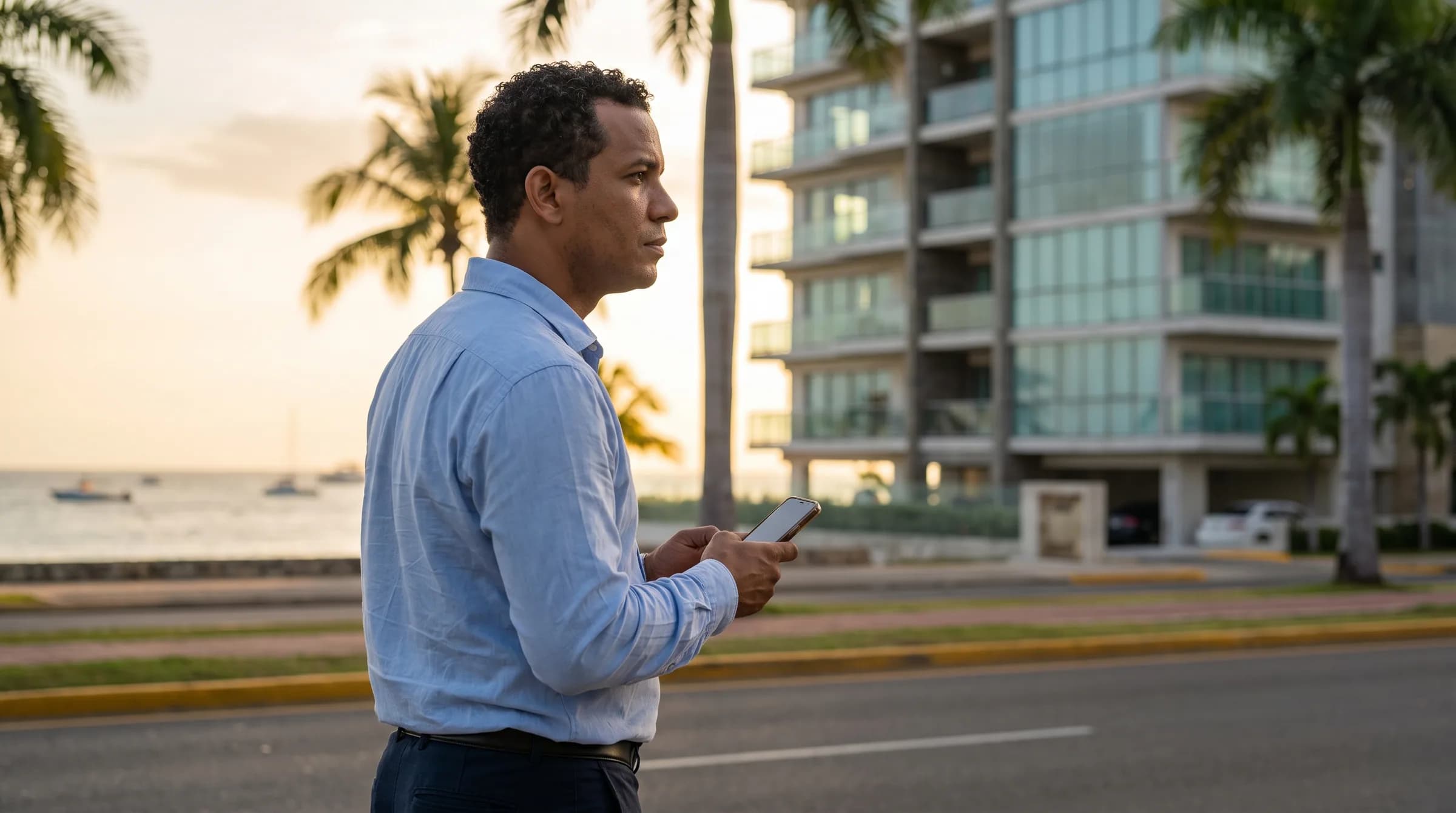
Luis has been searching for an apartment for three months. Every time he asks about the final price, he gets different answers: "includes ITBIS," "doesn't include ITBI," "we'll see about that later." The confusion isn't accidental. In the Dominican real estate market, these two acronyms represent completely different concepts that can change your final budget.
The difference between ITBIS vs ITBI in real estate transfers in the Dominican Republic isn't just technical. It determines how much money you need to close your purchase and who pays each cost.
The most common confusion: when ITBIS and ITBI mix
Laura found a beachfront apartment for RD$4.5 million. The seller told her: "The price includes ITBIS." She assumed she wouldn't have any additional tax costs. At closing, she discovered she owed an additional RD$135,000 for the transfer tax.
Toca Timbre
Verified properties, certified agents. You just decide.
What happened? The seller mixed up the concepts. According to the General Directorate of Internal Revenue (DGII), the sale of real estate, by itself, is not subject to ITBIS because the transfer of a property doesn't constitute one of the taxable events for that tax.
ITBIS is the Tax on Transfer of Industrialized Goods and Services. It taxes the consumption of industrialized goods and specific services. A normal residential real estate sale doesn't generate ITBIS.
ITBI: the tax that actually applies to your purchase
 ITBI is different. It's the tax on real estate transfers that actually applies when you buy a property. The DGII establishes a standard rate of 3% of the total value of the acquired property.
This 3% is calculated on the greater of:
- The agreed purchase price
- The fiscal appraisal of the property
The obligation normally falls on the buyer, though it can be negotiated for the seller to assume it. In Laura's case, RD$4.5 million × 3% = RD$135,000 that wasn't included in her original budget.
When ITBIS can appear in a real estate transaction
There's an exception that creates confusion: certain real estate services can actually be subject to ITBIS. The DGII has clarified that certain contracted services can fall under this tax.
For example:
- Brokerage commissions invoiced by companies
- Real estate advisory services
- Project management
- Other professional services related to the transaction
The key is separating the sale of the property from the services involved in the transaction. Each has its own independent tax treatment.
Special cases: low-cost housing programs
Low-cost housing programs have special rules. In these cases, ITBIS paid during construction may be part of compensation or benefits for eligible buyers.
Additionally, some low-cost homes may benefit from an exemption on the transfer tax (ITBI) if they meet specific conditions:
- Being the first and only home of the buyer
- Having been developed through a qualified trust
- Not exceeding the current value threshold
Other costs you should consider
Beyond ITBI, your purchase will include other expenses that aren't taxes:
Legal fees: Generally between 1% and 1.5% of the purchase price Notarial fees: Notarization of the purchase agreement Registration: Inscription in the Title Registry Certifications: Clearance certificates, no-lien certificates HOA (if applicable): Homeowners association maintenance fee IPI: Real Estate Property Tax (annual, recurring)
Each item is different and should be explained separately.
The right questions to ask before reserving
Before signing any reservation or contract, confirm:
- What exactly does the advertised price include?
- Is ITBI included or is it additional?
- Who pays the transfer tax according to the contract?
- What value will the 3% be calculated on?
- Are there any services that generate ITBIS separately?
- What are the estimated notarial and legal fees?
- Are there recurring fees like HOA or IPI?
A professional answer should be: "The property sale doesn't carry ITBIS under the standard rule; the transfer generates a 3% ITBI, and any invoiced services are reviewed separately. I'll send you the complete breakdown before you reserve."
Your real budget
If you're considering an apartment for RD$3 million, your budget might look like this:
- Property price: RD$3,000,000
- ITBI (3%): RD$90,000
- Legal fees (1.5%): RD$45,000
- Notarial fees and registration: RD$25,000
- Estimated total: RD$3,160,000
This calculation may vary depending on the specific conditions of your transaction and should be confirmed with updated professionals.
Tax information may change or depend on the structure of each transaction. Always confirm the updated calculation with the DGII and professional advisors before signing or making payments.
The structure of a successful purchase doesn't begin when you sign the contract, but when you organize the information, clarify each term, and verify the real total cost. Clarity at the start prevents surprises at the end.
If you're looking for more transparency in your buying process, Toca Timbre is an app where you can explore properties listed by agents and contact them directly via WhatsApp to ask these questions from the very beginning. Visit Toca Timbre to start your search with more clarity.
Frequently Asked Questions
Do all home purchases in the Dominican Republic pay ITBIS?
No. According to the DGII, the sale of real estate by itself is not subject to ITBIS because it doesn't constitute one of the taxable events for this tax. However, certain real estate services related to the transaction can be subject to ITBIS and must be reviewed separately.
How much is ITBI and who pays it?
ITBI is 3% calculated on the greater of the purchase price or the fiscal appraisal of the property. Normally the buyer pays it, though it can be negotiated for the seller to assume it. This must always be clearly specified in the contract regarding who is responsible for this tax.
Can I be exempt from the transfer tax?
Yes, there are exemptions for low-cost homes that meet specific conditions: being your first and only home, having been developed through a qualified trust, and not exceeding the current value threshold established by law. Consult with an attorney if your situation might qualify for any exemption.
Sources
- General Rule on ITBIS - Real Estate Services — https://dgii.gov.do/legislacion/consultas/Documents/Diciembre/Consulta%204-ITBIS%20en%20servicios%20inmobiliarios.pdf
- Technical Consultation - ITBIS on property sale — https://dgii.gov.do/legislacion/consultas/Consultas%20Tecnicas%202024/Agosto/Consulta%206-ITBIS%20venta%20de%20inmueble.pdf
- General Rule on Real Estate Transfer — https://dgii.gov.do/legislacion/normasGenerales/Documents/Otras%20Normas%20de%20Inter%C3%A9s/Norma08-14.pdf
- Low-Cost Housing Bonus Guide — https://dgii.gov.do/publicacionesOficiales/bibliotecaVirtual/contribuyentes/fideicomiso/Documents/2-Guia-26%20Bono%20de%20Vivienda%20de%20Bajo%20costo.pdf
- Property Transfer Brochure — https://dgii.gov.do/publicacionesOficiales/bibliotecaVirtual/registrados/otros/Documents/Brochure%20Transferencia%20de%20Inmueble.pdf