Taxes for Dominicans Abroad When Buying in the DR
17 de octubre de 2026 · 5 min min read
Discover why many Dominicans living outside the country face tax problems when investing in the Dominican Republic. A practical, straightforward guide.
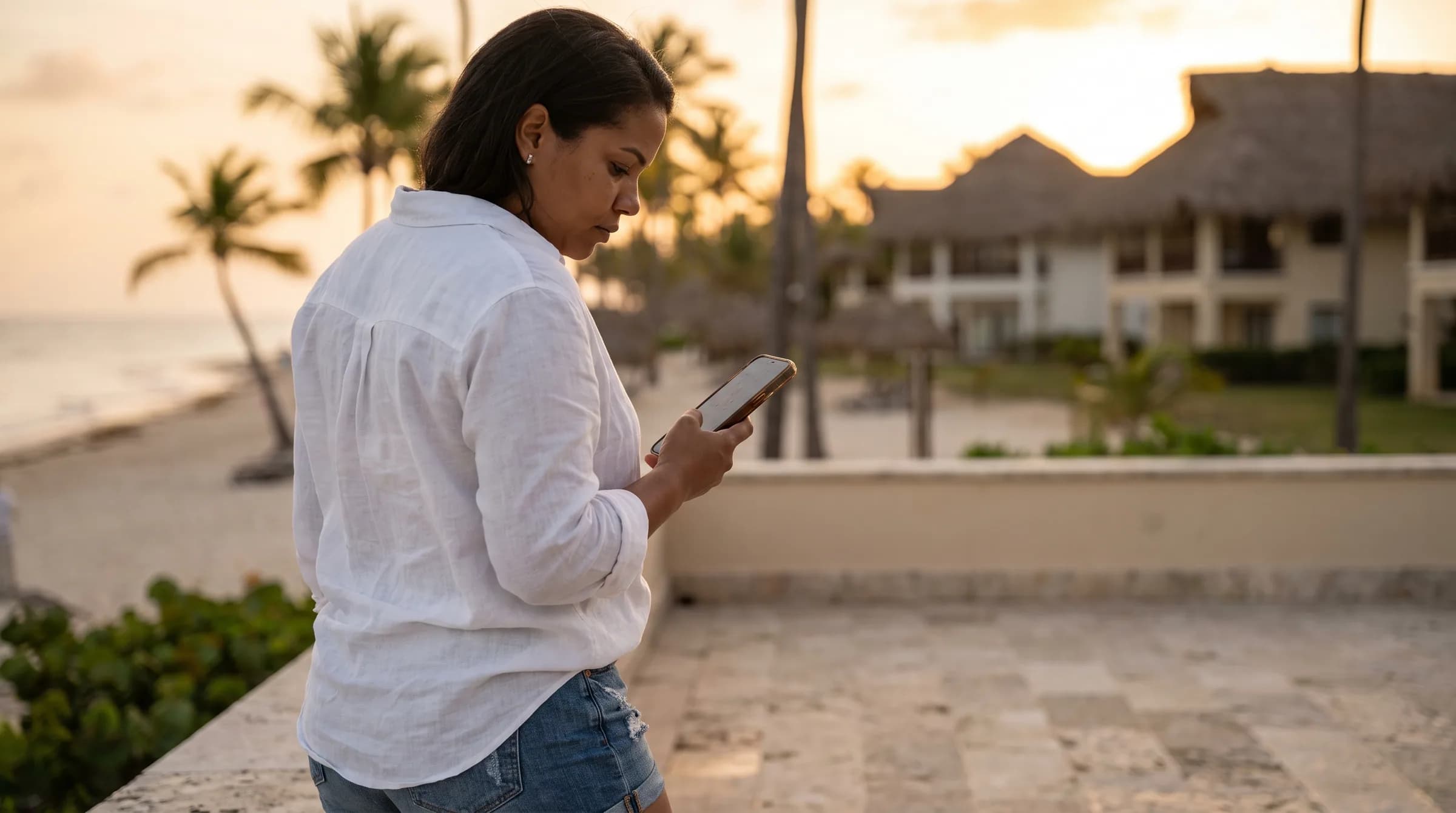
The Tax Mistake Dominicans Abroad Make When Buying Properties
Taxes for Dominicans abroad when buying properties in the Dominican Republic create far more confusion than they should. The reality is that many compatriots living outside the country make the same mistake: they believe buying "back home" is a private transaction that no one will connect to their tax situation in the country where they live.
This perception that "no one will find out" leads them down a path full of future problems with the Internal Revenue Service (DGII) and tax authorities in their country of residence. The Dominican real estate market doesn't make this understanding easier, and information about tax obligations usually shows up when it's already too late to plan properly.
The Wrong Belief: "It's Just a Family Purchase"
María José has been living in Madrid for five years. When she decided to buy an apartment in Punta Cana for family vacations, she thought it was as simple as transferring money and signing a contract. "It's for the family, it's not a business," she told herself while coordinating everything over WhatsApp with a cousin who knew someone in real estate.
Toca Timbre
Verified properties, certified agents. You just decide.
What María José didn't know is that every property in the Dominican Republic generates local tax obligations, regardless of where the owner lives. Her RD$8,500,000 apartment automatically made her a Dominican taxpayer with responsibilities that went far beyond the moment of purchase.
The Real Taxes for Dominicans Abroad
 When you buy a property in the Dominican Republic from abroad, you face specific taxes that don't disappear just because you live overseas:
Real Estate Transfer Tax (ITBI)
This 3% tax is calculated on whichever is greater: the purchase price or the official appraisal value. If you buy for RD$6,000,000 but the official appraisal is RD$6,500,000, you pay 3% on RD$6,500,000: RD$195,000.
Real Estate Wealth Tax (IPI)
The IPI applies a 1% annual tax on the value exceeding RD$10,695,494. If your property is worth RD$12,000,000, you pay 1% on RD$1,304,506, which equals RD$13,045 annually, divided into two semi-annual payments of RD$6,522 each in March and September.
Rental Income
If you decide to rent your property, that income is considered Dominican-source income. The withholding is approximately 27% as a single, final payment, regardless of whether you're a tax resident of another country.
The Emotional Moment That Changes Everything
Three years after her purchase, María José received a letter from the Spanish tax authority requesting information about assets abroad. At the same time, the DGII sent her a notification for unpaid IPI. The apartment she bought "without complications" had become a tax headache in two countries.
"No one explained that I had to report the property here in Spain, or that I needed to keep up with taxes in the Dominican Republic even though I wasn't renting it," María José says. "I thought I only paid at purchase and that was it."
That moment of panic is avoidable with clear information from the start of the process.
How to Avoid Tax Problems From Day One
The key is understanding that a real estate investment in the Dominican Republic is visible to both tax administrations. It's not a secret or informal transaction.
Required Documentation
- Updated Dominican taxpayer identification number
- Proof of lawful origin of funds
- Certification that the property is current on IPI
- Properly drafted purchase and sale agreement
- ITBI payment receipts
International Tax Coordination
A real estate agent who understands the context of a remote buyer can alert you to the importance of coordinating the investment with tax advisors in both countries. This minimizes the risk of undeclared assets or omitted income being discovered years later.
Property Management
Defining from the start whether the property will be for personal use, vacation rental, or resale helps you correctly structure your tax obligations and avoid surprises in future tax filings.
The Value of Starting With Clarity
The problem isn't that Dominicans abroad don't want to meet their obligations. The problem is that the Dominican real estate market doesn't provide this information clearly and in a timely way.
Working with professionals who understand both Dominican regulations and international tax implications significantly reduces the risk of future problems. A verified agent can coordinate with specialized lawyers to ensure the title is correctly registered, taxes are paid on time, and all documentation is in order from day one.
The peace of mind that comes with a successful real estate investment begins with clear information about the real tax implications, not with the hope that "no one will find out."
If you're considering buying a property in the Dominican Republic from abroad, tax clarity should be your starting point. On Toca Timbre, buyers can explore properties posted by agents who understand these complexities and contact them directly via WhatsApp to get accurate information from the beginning. Exploring the market with greater clarity is the first step toward an investment without surprises: Toca Timbre
Frequently Asked Questions
Do I have to pay taxes in the Dominican Republic if I live abroad?
Yes, every property in the Dominican Republic generates local tax obligations regardless of where you live. This includes the ITBI at the time of purchase and possibly annual IPI if the value of your properties exceeds the exempt threshold of RD$10,695,494.
Can I buy a property in the DR without a taxpayer identification number?
You can start the process with your ID card or passport, but to formally complete the purchase and meet your tax obligations, you need to obtain your taxpayer identification number from the DGII, especially if you plan to generate rental income.
What happens if I don't report my DR property in my country of residence?
The consequences vary by country, but generally include fines for undeclared assets and problems with local tax authorities. Most countries have information-sharing agreements that make it easier to detect properties abroad.
Sources
- Taxes for Foreigners in the Dominican Republic
- Tax Benefit Regimes in the Dominican Republic - PwC
- Taxes When Buying Property in the DR - Complete Guide
- Guide to Taxes When Buying a Home
- Real Estate Wealth Tax - DGII
- Transfer by Sale - Real Estate Registry
- Legal Procedures Guide for Foreigners - ASVEN