Transfer Tax: Why Your Agent Should Talk to You About This
18 de junio de 2026 · 5 min min read
The 3% property transfer tax isn't a last-minute surprise. Understand why verified agents explain it from the start.
Why Your Verified Agent Will Talk to You About Transfer Tax From Your First Contact
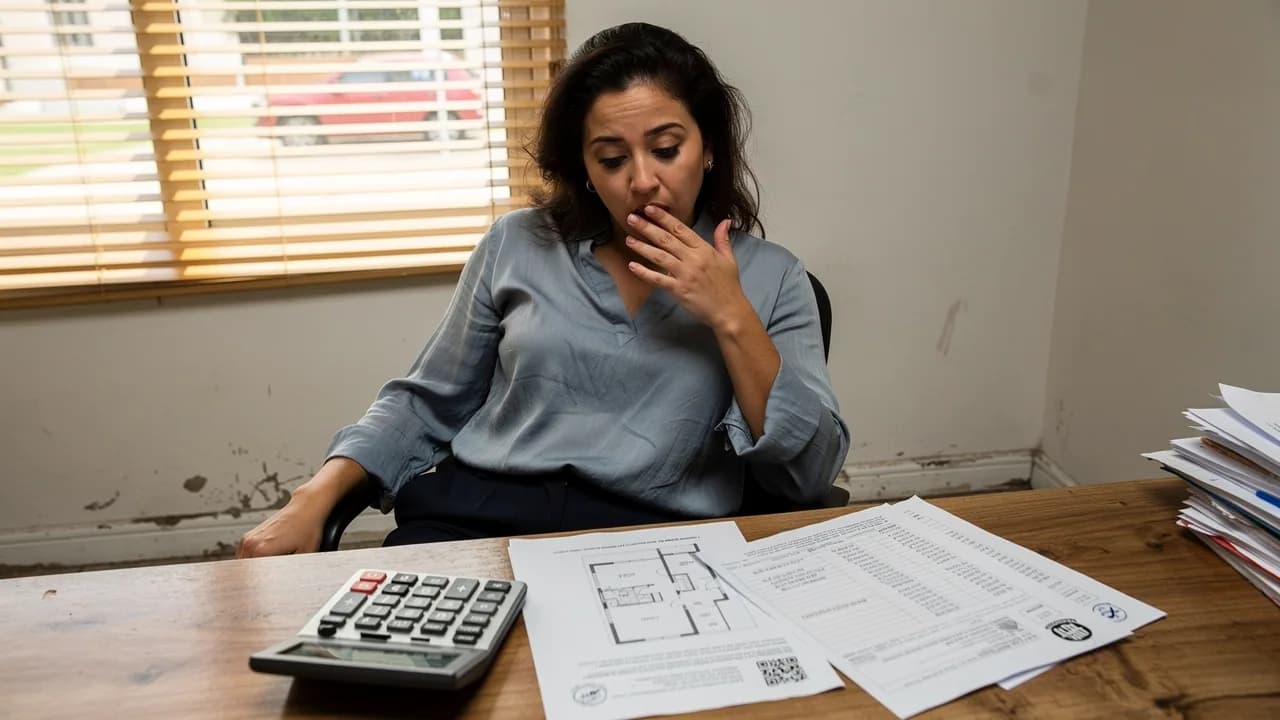
When Carla contacted her first agent to search for an apartment in Santo Domingo, the conversation focused on locations, prices, and visit dates. No one mentioned that besides the sale price she'd have to pay an additional 3% transfer tax. Three weeks later, when she'd already chosen her RD$3,500,000 apartment, she discovered she needed an extra RD$105,000 for the tax. The surprise wasn't pleasant.
This situation repeats constantly in the Dominican real estate market. The difference lies in the type of agent you start working with.
The Difference Between Mentioning the Tax Early and Omitting It

Toca Timbre
Propiedades reales. Agentes verificados. Tú decides sin miedo.
A verified agent who talks about the property transfer tax from the first conversation doesn't do it to complicate the sale. They do it because they understand that their job is to build trust, not create last-minute surprises.
In the Dominican Republic, every property transfer generates a 3% tax on the property value. This tax must be paid within 6 months following formalization of the transfer. If paid late, surcharges and interest accumulate that can significantly increase the final cost.
The common belief is that this tax "appears out of nowhere" at the end of the process. In reality, it exists from the moment you decide to buy. The difference is when your agent decides to inform you about it.
How Your Experience Changes When the Agent Is Transparent From the Start
When a verified real estate agent mentions the tax at your first contact, three important things happen:
It helps you budget correctly. If you're looking at properties for RD$2,000,000, you know from the start that you need an extra RD$60,000 for the tax. This lets you adjust your search range or total budget before falling in love with a property that's beyond your real reach.
It identifies possible exemptions early. There are specific cases where the tax might not apply or have reductions. An informed agent can identify if your particular situation qualifies for an exemption, especially for home purchases with financing where the value is below RD$1,000,000.
It filters options better. Knowing all costs from the beginning allows for more realistic decisions about locations, sizes, and property features you can truly afford.
The Impact on Your Bank Financing
If you plan to finance your home purchase in the Dominican Republic with a mortgage, it's important to understand that the transfer tax doesn't get added to your monthly payment. It's a one-time payment made at closing, separate from principal, interest, and insurance.
The bank evaluates your payment capacity based on your income, job stability, credit history, and loan-to-value ratio. The transfer tax isn't a direct criterion for approving or rejecting your credit application. However, you do need to have the funds available to cover it at the time of purchase.
For properties financed with value over RD$1,000,000, the 3% tax stands. For lower-value properties with mortgage financing, an exemption may apply. This distinction is crucial for planning your resources correctly.
Why Some Agents Omit This Information Initially
Some agents avoid mentioning the tax in early conversations because they fear buyers will get discouraged or search for properties in lower price ranges. This strategy, though understandable from an immediate business perspective, creates bigger problems later.
When the buyer discovers the tax in advanced stages of the home buying process, the feeling of "hidden costs" damages trust in the agent and can create unnecessary stress. In some cases, it can even cause the deal to fall through if the buyer doesn't have extra funds available.
How to Identify if Your Agent Handles Financial Information Well
An agent who masters the Dominican real estate market should be able to explain to you:
- The 3% transfer tax and when it applies
- Possible exemptions based on your specific case
- Payment deadlines and consequences of late payments
- The difference between this tax and other annual levies like IPI
- How the tax interacts with your bank financing
If your agent can't answer these basic questions or dodges them, it's a sign that you need to search for property in DR with someone better prepared.
The Advantage of Starting With Complete Information
Where you start your search determines the quality of information you receive throughout the process. A first contact with a real estate agent that includes transparent financial information establishes a solid foundation for the rest of the operation.
This doesn't mean all agents who mention the tax early are excellent, but it does indicate they understand the importance of managing realistic expectations from the start. In a market where information can be fragmented or inconsistent, this represents a considerable advantage.
Reflection: Transparency as Your Starting Point
The difference between a stressful purchase experience and a planned one isn't in the existence of taxes or additional costs. These exist regardless of when you learn about them. The difference is receiving complete information at the right time.
An agent who talks to you about transfer tax from your first conversation isn't complicating your search. They're giving you the tools to make informed decisions from the beginning. In such an important process as buying a home, this isn't a minor detail.
The quality of your real estate experience begins with the quality of information you receive at first contact. Everything that comes after is built on that foundation.
If you're starting to explore the Dominican real estate market, finding agents who handle complete information from the start can make a difference in your experience. Toca Timbre is an app where you can explore properties published by agents and contact them directly via WhatsApp to ask the right questions from the first moment. Toca Timbre.
Frequently Asked Questions
Can the transfer tax be financed together with the mortgage?
No, the 3% transfer tax is a tax obligation that's paid separately from the mortgage. You must have this amount available in cash at closing. The bank finances the property price according to agreed terms, but taxes and transfer costs are the buyer's responsibility as separate payments.
Do all properties pay the same transfer tax percentage?
The general rate is 3% of the property value, but specific exemptions exist. Properties acquired with mortgage financing and value below RD$1,000,000 may be exempt. There are also particular cases based on property type, buyer situation, or if the property falls under special regimes like CONFOTUR. It's important to verify your specific case with a professional.
What happens if I don't pay the transfer tax by the deadline?
If you don't pay the tax within 6 months of transfer formalization, surcharges and interest accrue that can significantly increase the original amount. Additionally, non-payment can create legal problems with the property and complications if you decide to sell it in the future. That's why it's crucial to plan this payment from the moment of purchase.
Sources
- What Taxes Are Paid on Properties in the Dominican Republic — Vivantia Homes
- Understanding Real Estate Taxes in the Dominican Republic — Punta Cana Villa
- 2026 Real Estate Tax Guide — 1122.do
- Real Estate Taxes in the Dominican Republic — Mora Pagan
- Main Taxes and Expenses When Buying Property in the Dominican Republic — Alfamoyca