Reverse Mortgage in the Dominican Republic: 3 Things Banreservas Doesn't Explain
29 de octubre de 2026 · 5 min min read
Discover the 3 key points about reverse mortgages in the DR that could affect your home and inheritance. Clear guide for Dominican homeowners.
Reverse Mortgage in the Dominican Republic: 3 Things Banreservas Doesn't Explain
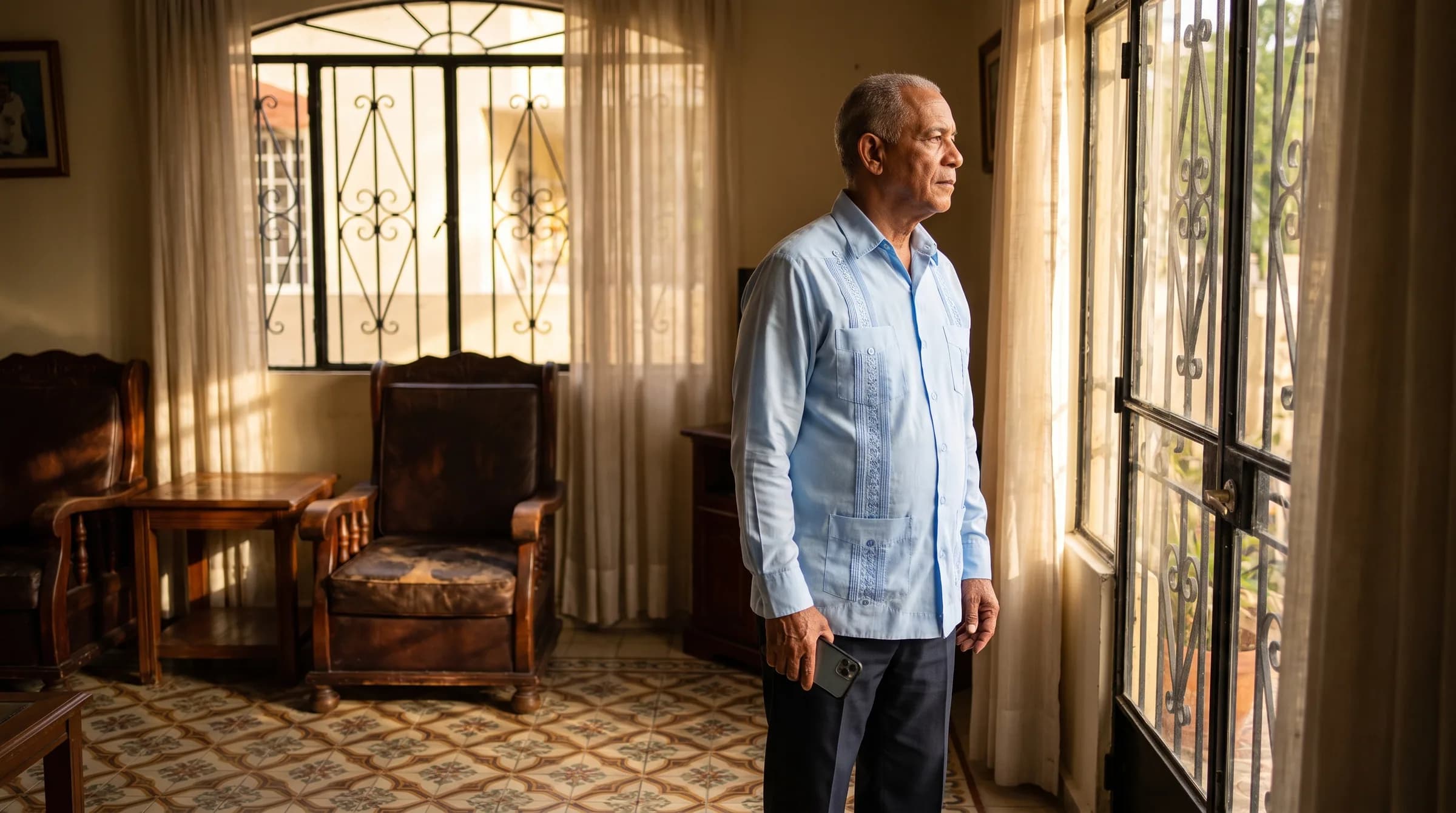
Carlos is 68 years old and has lived in his Gazcue home for 30 years. He's seen the ads about reverse mortgages in the Dominican Republic and is interested in receiving money without having to make monthly payments. But when he tries to understand the details, he realizes there are important aspects that aren't clear from the initial information.
This confusion is common among Dominican homeowners considering a reverse mortgage. While it can be a useful financial tool, there are critical points that deserve detailed explanation before making any decision.
What is a reverse mortgage really?
A reverse mortgage is a loan secured by your primary residence. Unlike a traditional mortgage, it typically doesn't require monthly payments during the agreement: the owner receives funds according to the agreed terms, and the debt grows with capitalized interest.
Toca Timbre
Verified properties, certified agents. You just decide.
The balance is usually paid off later, through the sale of the property or with resources from the owner or their heirs. Banreservas describes possible options as monthly payments, lifetime payments, fixed-term disbursements, and a line of credit.
The 3 points that create the most confusion
1. The minimum age shouldn't be assumed
Many people believe the minimum age for a reverse mortgage in the Dominican Republic is automatically 65, using information from other countries. This is a mistake.
The product is aimed at older adults who own a home, but the exact minimum age must be confirmed with Banreservas when you apply, because it may depend on current policies. The age of the primary owner, any co-owner, and the expected length of stay in the home can influence approval and available amount.
It's not wise to assume requirements from other financial markets apply to the Dominican context.
2. Not paying monthly doesn't mean free money
The absence of monthly payments may relieve your budget, but interest capitalizes and grows your debt balance. This means the money you don't pay today accumulates as debt on your property.
For example, if you receive RD$20,000 monthly and the annual rate is 12%, after the first year you'll owe not just the RD$240,000 received, but also the capitalized interest on each disbursement. After 10 years, your total balance could far exceed the amount you received.
It's essential to request a written simulation showing how much you'd receive, what fees apply, how the balance would evolve, and under what circumstances payment becomes due.
3. The property remains decisive for your heirs
This is perhaps the most important point and the one that generates the most family anxiety. The home must be the owner's primary residence and must have a clean title free of relevant liens, recent appraisal, current taxes, and sufficient property records.
The debt is paid off in the future through the sale of the property or with funds from the heir or owner. This means heirs could face a decision: pay the accumulated balance to keep the property, or allow it to be sold to settle the debt.
Before signing, the owner and family members must understand who retains the right to occupy the home, what events trigger payment, how the property value is determined, and whether any estate remains for heirs.
A realistic scenario
Imagine María, 70 years old, owns a home valued at RD$8,000,000 in Santiago. She requests a reverse mortgage to receive RD$15,000 monthly for 15 years. After that time, between the capital received (RD$2,700,000) and capitalized interest, the balance could reach RD$4,500,000 or more, depending on the rate.
If at that point the house is worth RD$10,000,000, heirs could pay the RD$4,500,000 and keep the property. But if the house is worth RD$4,000,000, the sale wouldn't fully cover the debt, and the contract terms would determine what happens with that difference.
Differences from a traditional mortgage
Reverse mortgage requirements shouldn't be confused with traditional mortgage requirements. Banreservas's conventional mortgage products describe financing with payment terms, coverage based on property value, and income documentation.
The reverse mortgage works differently: it converts part of your home's value into cash without necessarily requiring monthly payments, but in exchange for a growing debt on the property.
The importance of complete documentation
Before deciding, get the offer directly from Banreservas, read the complete contract, and understand the total cost. It's also wise to consult with a real estate agent familiar with the Dominican market to review your home's realistic value and your alternatives for sale or rental.
Any promise about age, amount, payments, keeping the home, or inheritance must be confirmed in writing with the bank and shouldn't be based only on advertising or comments from others.
A decision that requires clarity
A reverse mortgage shouldn't be evaluated only on the cash it delivers today, but on its cumulative impact on your home and family succession. It's a financial tool that can provide liquidity to older adult homeowners, but it requires complete understanding of its long-term implications.
When the Dominican real estate market presents fragmented information, it's natural for homeowners to feel confused about complex products like this. The key is to seek clarity before urgency, and to base any decision on information verified directly with the financial institution.
For those looking to explore the Dominican real estate market with greater clarity, Toca Timbre is an app where buyers can view properties listed by agents and contact them directly via WhatsApp, making the first step toward a more organized search easier. You can explore it at: Toca Timbre
Frequently asked questions
Can I lose my house with a reverse mortgage in the Dominican Republic?
You don't lose the property while you meet the contract conditions, such as keeping the house as your primary residence, paying taxes and insurance, and maintaining the property in good condition. However, the accumulated debt eventually must be paid off, which may require selling the property if you don't pay it another way.
What happens if my house is worth less than the accumulated debt?
This depends on the specific contract terms with Banreservas. Some reverse mortgage products in other markets include insurance that limits the debt to the property's value, but this must be explicitly confirmed for the Dominican product. This is one of the most important points to clarify before signing.
Can my children inherit the house if I have a reverse mortgage?
Your heirs can keep the property if they pay the accumulated debt balance. If they decide not to, the house is typically sold to pay off the loan. Any remaining value after paying the debt would go to the estate, according to the specific contract terms.
Sources
- Banreservas — Reverse Mortgage — https://www.banreservas.com/articulos/hipoteca-inversa-en-banreservas/
- Banreservas — Mortgage Loans — https://www.banreservas.com/landing/pages/compra-o-remodela-tu-casa/prestamos-hipotecarios/
- Banking Superintendent — Law 189-11 — https://sb.gob.do/regulacion/compendio-de-leyes-y-reglamentos/ley-no-189-11-mercado-hipotecario-y-el-fideicomiso/