Guarantee vs. Deposit: Key Differences in Dominican Real Estate Contracts
19 de junio de 2026 · 5 min min read
Understand the differences between guarantee and deposit in Dominican real estate contracts. Avoid confusion and surprises in your purchase.
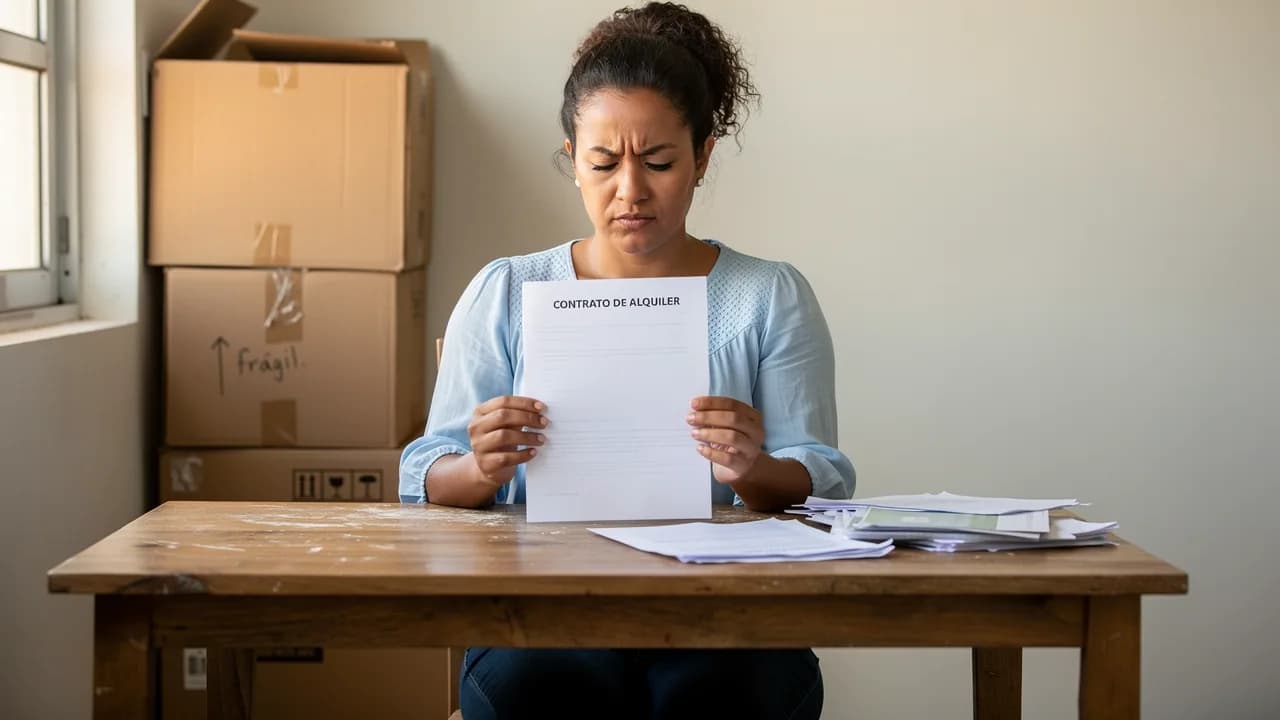
The Most Costly Confusion in Real Estate Contracts

When María received the keys to her rented apartment in Santiago, she thought she'd understood everything. But three months later, reviewing the contract, she realized she wasn't clear on whether the RD$30,000 she'd paid upfront was "deposit", "guarantee", or both. That confusion, which seems minor, becomes a real problem when it's time to move or when you take the step to buy your first home.
In the Dominican real estate market, two words that generate more misunderstandings than they should are "guarantee" and "deposit". Although they sound interchangeable, they have different legal functions that can determine whether you get your money back or face unexpected claims.
Toca Timbre
Propiedades reales. Agentes verificados. Tú decides sin miedo.
Why This Difference Matters More Than You Think
The root of the problem lies in how many Dominicans arrive at home purchases: after years of rental experiences where contracts were confusing, terms were explained poorly, and everything depended on "good faith" from the owner. That same lack of structure that you experienced renting is amplified when you go from managing months of deposits to investing years of savings.
In Dominican rental contracts, when we talk about a guarantee deposit, we're referring to a sum of money the tenant provides to ensure they'll meet their obligations and return the property in good condition. Here's the key: the deposit is the physical money; the guarantee is the protection function that money serves.
The Most Common Trap: Confusing Deposit With Last Month's Rent
According to Dominican real estate practice, the guarantee deposit typically equals one or two months' rent and has specific purposes:
- Cover damage to the property beyond normal wear
- Compensate unpaid rent when the contract ends
- Address other tenant breaches of contract
The Dominican General Rental Law establishes that the deposit can only be retained to "cover repair expenses required for the property due to causes attributable to the tenant". However, many tenants mistakenly believe this deposit functions as "last month's rent" that gets automatically deducted.
This confusion has real consequences. If you stop paying the last month "because I already paid a deposit", the owner can demand the complete rent payment and additionally retain part of the deposit for damages, creating claims or even lawsuits.
In Sales: When the Deposit Protects Both Sides
When you decide to buy a property in the Dominican Republic, another type of deposit appears: the escrow deposit or guarantee deposit. This is an agreement where a neutral third party (usually a lawyer) holds funds until transaction conditions are met.
Here the typical confusion is different: some people believe "deposit" and "down payment" are the same thing. In reality, the good faith deposit is a sum held during the purchase process and only becomes part of the final payment at closing.
If something goes wrong during the purchase, the contract must clearly specify when the deposit is returned and when it's forfeited. For example, if you can't obtain financing within the agreed timeframe for reasons beyond your control versus if you simply change your mind.
Additional Guarantees: When Other People Appear
In the Dominican Republic, the word "guarantee" also applies to people who back the tenant or buyer. Under the new Rental Law, the guarantor is optional and the owner decides if they require one. This adds another layer of complexity: "guarantee" can be money (deposit) or a person who's responsible.
To Avoid Surprises: What to Verify in Any Contract
In rentals:
- How much is delivered as a guarantee deposit
- What specific concepts it can be used for
- Whether it can be deducted from the last month (typically it's not automatic)
- Who certifies the deposit's return
In sales:
- Difference between guarantee deposit, good faith deposit, and down payment
- Exact conditions for deposit return
- Who manages the funds during the process
- What documents are needed to release the money
The Real Cost of Confusion
What causes the most stress for buyers and renters isn't the legal mechanism itself, but not knowing exactly when that money is returned, when it's lost, and who decides. A well-written contract that clearly distinguishes between the money you deliver (deposit) and the protection it provides (guarantee) gives you back your sense of control.
When you understand that deposit is a concrete financial instrument and guarantee is the protection function, you can make informed decisions. It's no longer about trusting "good faith", but assuming a calculated risk with sufficient information.
This contractual clarity not only protects your investment; it also lets you move forward with confidence instead of postponing important decisions out of fear of misunderstandings that can be prevented from the first contact.
If you're considering buying your first home in the Dominican Republic and want to explore the market with more structure from the start, Toca Timbre is an app where you can see properties published by verified agents and contact them directly via WhatsApp. Where you start your search determines the quality of information you receive throughout the process. Toca Timbre and begin with clarity.
Frequently Asked Questions
Can the guarantee deposit be used as last month's rent in the Dominican Republic?
Not automatically. Although it's a common belief, the legal function of the guarantee deposit is to cover property damage and other contract breaches, not to substitute rent payment. For it to apply to the last month, it must be explicitly agreed in the contract. Otherwise, you must pay the complete rent and wait for the deposit's return after property condition evaluation.
What happens to my deposit if a property sale is canceled?
It depends on the specific contract conditions and cancellation cause. If cancellation occurs due to seller non-performance or agreed contingencies (like failure to obtain financing), you typically have the right to recover the full deposit. If you cancel by personal decision outside agreed conditions, you could lose part or all of the deposit. That's why it's crucial that the contract clearly specify these scenarios before signing.
Who should manage the deposit in a real estate sale?
It's recommended that a neutral third party, typically a real estate law specialist or escrow service, manage the deposit. This person or entity holds the funds in a separate account until all contract conditions are met. Avoid delivering deposits directly to the seller or agents without clear legal backing, as this increases loss risk if problems arise during the transaction.