Family Help vs Real Estate Agent: What You Need to Know in the DR
2 de julio de 2026 · 5 min min read
Discover the key differences between family support and a professional agent when buying property in the Dominican Republic. Practical guide.
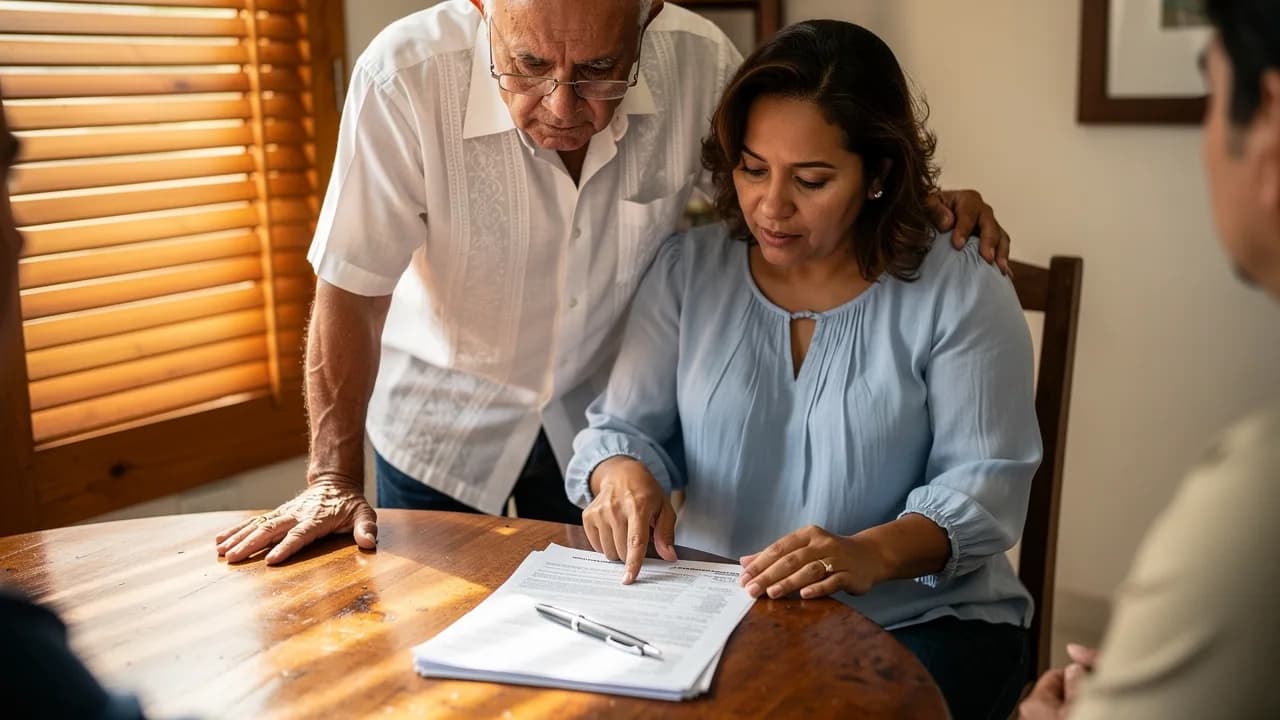
When you decide to buy property in the Dominican Republic, it's very likely that a family member, close friend, or "someone who knows" will offer to help you through the process. The offer sounds logical: someone you trust who's already been through it, who knows the local market, and can accompany you at no extra cost.
However, there's a fundamental difference between the emotional support of a family member and the structured process of a professional real estate agent. Understanding this difference can be decisive in protecting your investment and avoiding costly problems down the road.
The Reality of the Dominican Real Estate Market
In the Dominican Republic, the real estate market functions with a mix of formality and informality that can confuse any buyer. On one hand, there are clear legal processes, official registries, and trained professionals. On the other hand, many transactions are based on informal recommendations, personal connections, and "the way it's always been done."
Toca Timbre
Propiedades reales. Agentes verificados. Tú decides sin miedo.
This duality makes family help seem sufficient for minor transactions, but can fall short when buying your primary residence or making a significant investment.
What family members who "help" actually provide
 Family help in buying property in the Dominican Republic typically includes:
- Emotional support: Gives you confidence and reduces anxiety in the process
- Basic guidance: Shares their personal experience and opinions on prices
- Informal contacts: Recommends a notary, lawyer, or seller without clear selection criteria
- Cultural translation: Especially helpful if you're foreign or don't know the local market well
- Logistical support: Accompanies you to see properties and facilitates meetings
But here's the important detail: a family member acts from good intentions and personal experience, not from a structured professional process. Their knowledge is based on specific cases, neighborhood rumors, or what they "heard happened" to other buyers.
The process of a professional real estate agent
A verified real estate agent in the Dominican Republic operates differently. Their work includes:
Updated market knowledge
- Handles real data on prices by zone
- Knows available inventory and market trends
- Is current with regulatory and process changes
Basic verification process
- Requests minimum documentation before showing properties
- Confirms the seller is authorized to sell
- Verifies basic information about the property and project
Professional responsibility
- Subject to ethics codes and service standards
- Mediates between buyer and seller neutrally
- Documents the process and maintains transaction records
A concrete example: Ana's purchase
Ana, 34, worked in Santiago and had saved RD$800,000 for the down payment on her first apartment. Her uncle Miguel offered to help because he "knew the market" from buying his house five years earlier.
Miguel took her to see an apartment in a new tower near the financial center for RD$4.2 million. It seemed like a "good price" and he knew the seller through a friend. Ana felt comfortable with family support and they moved forward.
Three weeks later, after Ana had already put down RD$200,000, they discovered the apartment had an unrevealed lien and the project had important pending municipal permits. Miguel didn't know what questions to ask or what documents to request to detect these problems before committing.
Ana had to hire a real estate lawyer to resolve the situation, taking two additional months and unexpected legal costs. She eventually recovered her deposit, but lost time and missed another apartment she really wanted.
Where the key difference lies
The fundamental difference isn't in intentions but in the systematic process. A professional real estate agent:
Works with a structured checklist
- Minimum documents any property should have
- Basic verifications before scheduling viewings
- Clear negotiation and closing process
Knows the common "traps"
- Titles with inscription problems
- Sales without complete corporate authorization
- Condominiums with unresolved internal conflicts
- Projects without current municipal permits
Maintains a network of specialized professionals
- Real estate lawyers with experience
- Reliable and efficient notaries
- Contacts at institutions like Title Registry
The correct role for each one
The key isn't choosing between family or professional, but placing each support in its correct role:
Your family provides:
- Emotional confidence throughout the process
- A second opinion on location and features
- Accompaniment at viewings and meetings
- Support in making the final decision
The professional agent provides:
- Structured search process
- Basic verification of properties and sellers
- Current market knowledge
- Connection with specialized professionals
How to find verified real estate agents
To contact reliable agents in the Dominican Republic:
- Look for agents associated with organizations like ASVEN (Association of Real Estate Sellers)
- Ask for direct references from previous clients
- Verify their specific experience in the area where you're searching
- Confirm they work with specialized real estate lawyers
- Make sure they clearly explain their process and fees
The practical decision
When you search for property in the Dominican Republic, your first contact with the market determines everything that comes next. If you start with professional guidance, you'll have a more predictable and safer process. If you start only with family help, you might find good opportunities, but you could also face risks you didn't know existed.
The ideal combination is clear: appreciate and use the emotional support from your family, but make major financial decisions with information obtained by verified professionals. It's not about distrusting good intentions, but protecting your wealth with a process that reduces known risks.
In the end, buying a home is one of the most important financial decisions you'll make in your life. It deserves a process that combines close support from those who care about you with technical expertise from those who really understand how the Dominican real estate market works.
If you're starting your property search in the Dominican Republic, consider exploring options through platforms that connect buyers with verified agents. Toca Timbre is an app where you can see properties listed by real estate agents and contact them directly via WhatsApp to start clear conversations about your specific needs. Explore available options at: Toca Timbre
Frequently Asked Questions
Is it bad to accept family help when buying property?
Not bad at all. Family help provides valuable emotional confidence and logistical support. The key point is complementing that help with professional verification, especially for legal aspects and due diligence requiring specific technical knowledge.
How much do real estate agents charge in the Dominican Republic?
Real estate agent fees in the DR typically range from 2% to 3% of property value, usually paid by the seller. Always confirm this detail before starting the process and make sure it's clear who covers these costs in your specific transaction.
How do I know if a real estate agent is trustworthy?
Look for agents associated with recognized organizations like ASVEN, ask for direct references from previous clients, verify their experience in the area where you're searching, and confirm they work with specialized real estate lawyers. A trustworthy agent always explains their process clearly and is transparent about costs and fees.