The Silent Error When Choosing a Tourist Zone to Invest in the DR
8 de julio de 2026 · 5 min min read
Many buyers are guided only by social media when choosing tourist zones. Discover what to ask before investing to avoid costly risks.
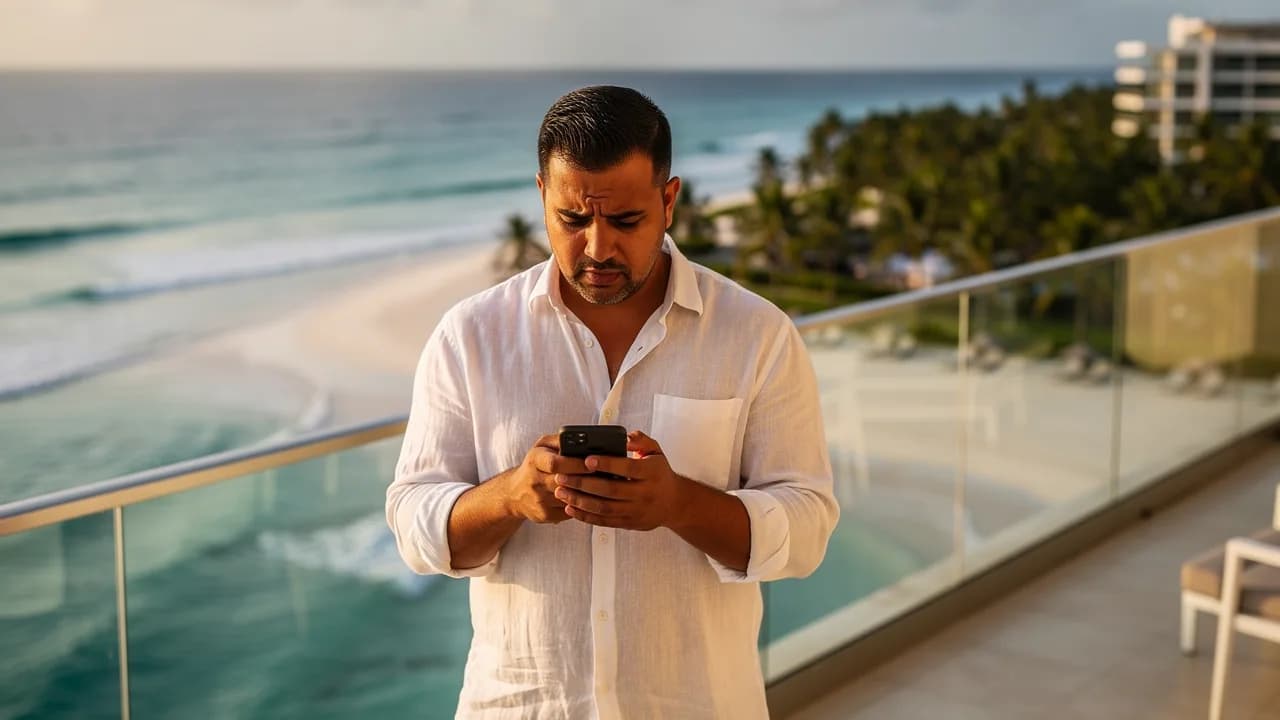
The Silent Error When Choosing a Tourist Zone to Invest in the Dominican Republic
Carlos has been following Punta Cana Instagram accounts for three months. He sees perfect photos of beachfront apartments, videos of crystal-clear beaches, and enthusiastic testimonies from "successful investors." He's convinced he should buy there. But Carlos is making the most silent—and costly—error in the Dominican tourism real estate market: deciding based solely on what he sees on social media.
This error doesn't generate obvious red flags. There are no immediate warnings. Just a sense of certainty built on an incomplete information foundation that can cost tens of thousands of dollars.
The Problem with Social Media as Your Only Source
Social media shows an edited version of reality. Perfect photographs on Instagram, aspirational videos on TikTok, and selected testimonies in Facebook groups create an image that rarely includes the information that really matters for a home purchase in the Dominican Republic: real urban development, safety, legal framework of properties, hidden costs, and verifiable tourism demand.
Toca Timbre
Propiedades reales. Agentes verificados. Tú decides sin miedo.
This visual bias leads to emotional decisions, especially in high-exposure destinations like Punta Cana, Bávaro, Cap Cana, or Samaná. Buyers see "paradise" but ignore whether the zone has consolidated basic services, adequate road infrastructure, approved municipal plans, or whether the project is part of formal and regulated development.
What Doesn't Appear in Viral Posts

An apartment can look spectacular in a photo, but social media doesn't tell you if:
- The property is correctly registered with the Real Estate Registry
- Clear title exists and is free of liens
- The developer has vigent construction permits
- The zone has stable basic services (water, electricity, internet)
- There are paved accesses year-round
- Security is consistent beyond the resort or project
Nor does it explain real costs: transfer taxes (3% of value), notary expenses, furniture, monthly maintenance, vacation rental management, and hurricane insurance. These "details" can represent between US$15,000 and US$25,000 additional in a US$200,000 investment.
The Reality of the Dominican Tourism Market
Carlos discovers this when he contacts a verified agent who shows him concrete data. Instead of generic promises of "guaranteed value growth," he receives organized information: the zone he chose on Instagram still doesn't have 24-hour potable water, the access road floods during rainy season, and 60% of similar properties sit empty most of the year.
The agent explains that searching for property in the DR requires first validating urban development, then legal documentation, then profitability projection, and only at the end considering the "visual appeal" of the zone.
What to Ask a Verified Agent About Value Growth
When you find verified real estate agents, the questions change completely. Instead of "is the zone beautiful?", you ask:
On real value growth data:
- What value growth have similar properties here had over the last 5 years?
- Can you show me comparatives of closed sales (not just asking prices) in this project?
- What specific factors drive value appreciation in this zone?
On legal security:
- Can you show me a copy of the construction permit and municipal licenses?
- Does this project have CONFOTUR status and until what year?
- Is the title surveyed and free of liens?
On the developer:
- What other projects have they built and what's been their price evolution?
- Can you show me references from other owners?
- What's their track record on on-time delivery?
On profitability projection:
- Can you show me real financial statements from similar properties?
- What are the monthly maintenance and management costs?
- What average occupancy do comparable properties have?
The Correct Process Order
The home purchase process in tourist zones should follow this sequence:
- Structured research: Analysis of safety, climate, access, and urban development from technical sources
- Legal verification: Review of titles and permits with specialized lawyer
- Financial analysis: Profitability projection with real market data
- Professional selection: Contact with verified agents and developers with proven track records
- Visual complement: Using social media to learn the "feel" of the zone, not as decision basis
This change in sequence transforms the purchase: you stop "buying an Instagram photo" and start acquiring a tourism asset with clear foundations.
The Difference of First Contact
Your first contact with a real estate agent marks the entire experience that follows. If you start with an agent who only shows beautiful photos and promises "guaranteed" returns, you'll probably end up buying on emotion. If you start with a verified professional who shows documents, historical data, and connects you with specialized lawyers, you'll buy with information.
Carlos finally understands that where you start looking determines everything that follows. It's not coincidental that people who start their search with structured information end up more satisfied with their investments than those who start with viral content.
If you're considering investing in tourist zones of the Dominican Republic, you can explore properties published by verified agents and contact them directly on WhatsApp through the Toca Timbre app. The platform lets you compare options and make that first contact with more organized information from the start: Toca Timbre
Frequently Asked Questions
Is it safe to invest in tourist zones of the Dominican Republic?
Investment safety depends more on process than location. Major tourist areas like Punta Cana, Cap Cana, and Bávaro have established regulatory frameworks, but it's essential to verify that each specific project has vigent permits, clean title, and developer with proven track record. The key is validating legal documentation before falling in love with the place.
What value growth can I expect in tourism properties?
Usual projections range between 8% and 12% annually in consolidated destinations, with cases of cumulative growth of 25% to 40% over five years. However, these figures depend on factors like new infrastructure, arrival of hotel chains, development of amenities, and professional project management. A verified agent should show you specific historical data for the zone, not just general estimates.
How much should I budget besides the purchase price?
Besides the property price, consider: transfer taxes (3% of value), notary and legal costs (1-2%), complete furnishing (US$15,000-30,000 depending on size), monthly maintenance (US$150-400), hotel management if you plan to rent (25-30% of income), and annual insurance. In total, these additional costs can represent 15% to 25% of initial purchase value.