The Most Common Mistake When Buying Your First Property in Punta Cana
13 de julio de 2026 · 4 min min read
Discover why falling in love with the project before verifying the agent and developer is the mistake that costs first-time buyers the most money.

The Most Common Mistake When Buying Your First Property in Punta Cana
When Miguel saw the project video on Instagram, he knew he'd found "the opportunity." Infinity pool, rooftop with ocean views, apartments from $85,000 and promises of 12% annual returns. Within 48 hours, he'd sent the first $5,000 deposit to an agent who contacted him via WhatsApp. Three months later, Miguel discovered the developer didn't have construction permits and the agent had disappeared.
This story repeats weekly in Punta Cana. The most common mistake made by first-time property buyers isn't choosing the wrong project, but falling in love with the project before verifying the agent, developer, and understanding the complete buying process in the Dominican Republic.
Why we fall in love with the project first
Spectacular renderings, promises of high returns, and Punta Cana's tourist magic create a "wow" effect that clouds judgment. The first-time buyer sees professional images, hears the agent talk about 80-90% occupancy rates, and feels they've found the goose that lays golden eggs.
Toca Timbre
Propiedades reales. Agentes verificados. Tú decides sin miedo.
The common belief is: "If the project looks good and the price is reasonable, the rest are technical details the agent handles." This mindset leads buyers to commit thousands of dollars based on emotions and sales pitches, without real clarity about risks, contracts, and business viability.
The difference between "looks like a good option" and "I have real clarity"
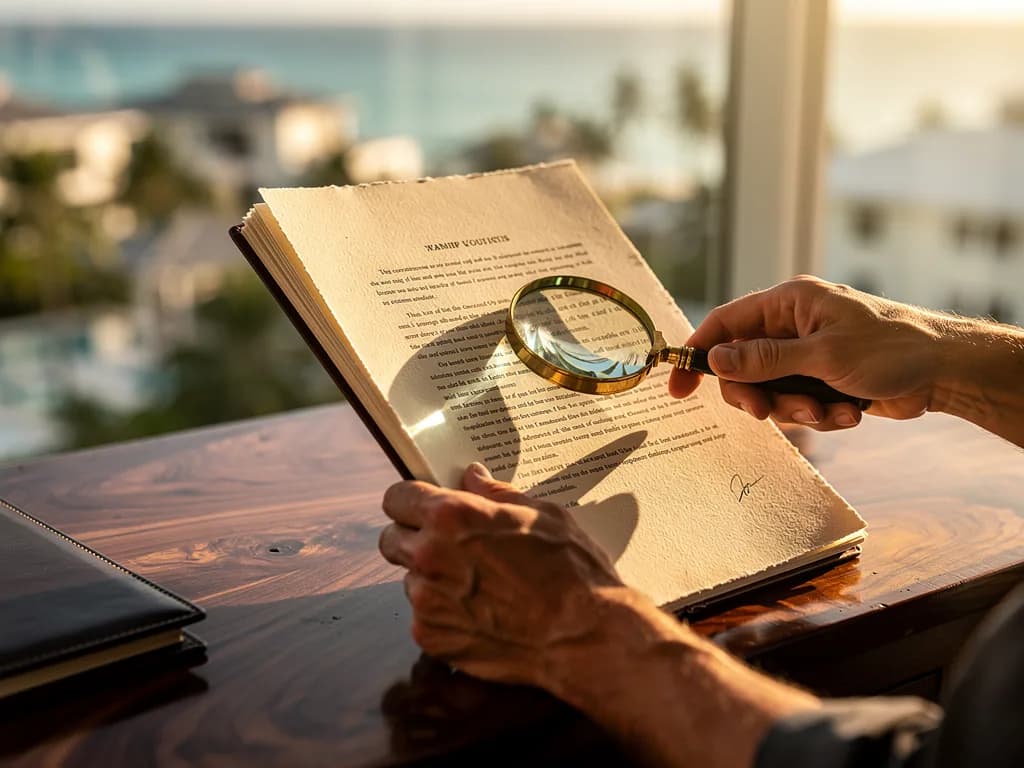
When something "looks like a good option," the buyer stays on the surface:
- The images are professional and the design looks luxurious
- The real estate agent conveys confidence and assures you that "everyone is investing here"
- The entry price seems accessible and the initial payment looks manageable
- You hear stories from other investors supposedly already making good money
Having real clarity means changing the mental order of the process: first you research and validate, then you evaluate the project, and only at the end do you decide to buy.
What a prepared buyer does
A property buyer who's well-prepared invests time in these actions before falling in love:
Investigates the developer before looking at renderings
- Confirms completed projects and met delivery timelines
- Verifies reputation in the area and if they operate through trust with recognized entities
- Searches for customer reviews on previous projects
Verifies legal documents from the start
- Requests review by a Dominican real estate lawyer
- Confirms title status and construction permits
- Understands project documents before signing a purchase promise
Calculates the complete real cost
- Requests breakdown of closing costs: taxes, notary fees, legal fees
- Includes banking costs and registration expenses
- Budgets for monthly maintenance and administration
Analyzes location and real demand
- Asks for verifiable occupancy and average rate data
- Studies market trends in the specific area
- Rejects generic statements like "this area rents itself"
The cost of trusting without verifying
Property search becomes more risky for first-time buyers who assume the legal process is similar to their home country. They sign documents without legal advice from the start, delegating all responsibility to the agent or builder.
In extreme cases, buyers move forward with purchase promises without independent contract review, when actually the lawyer should validate clauses, timelines, penalties, and guarantees from the first serious contact with the project.
The questions that change everything
The difference between superficial and prepared shows in the type of questions asked:
Superficial level:
- Does it look nice?
- Can I afford the down payment?
- How much am I told I'll earn?
Clarity level:
- Who's behind the project and what's their track record?
- Which lawyer reviewed the title and permits?
- Where are the legalized contracts?
- What happens if construction is delayed?
- What's my exit strategy if I want to sell in 5-10 years?
Turning illusion into clarity
The home-buying process in the Dominican Republic requires patience and method. Turning initial illusion into real clarity means thoroughly investigating the agent and developer, having a specialized lawyer from day one, and understanding step-by-step the legal and financial process.
Only then does the decision stop being based on marketing and start being supported by verifiable information, reducing risks and increasing the likelihood that your investment achieves its goals.
If you're starting your property search in the Dominican Republic, consider that where you start to search determines everything that follows. Toca Timbre is an app where you can explore properties posted by agents and contact them directly via WhatsApp to ask the right questions from the start: Toca Timbre
Frequently asked questions
How long should I research before making an offer in Punta Cana?
A minimum of 2-4 weeks of active research is recommended. This includes verifying the developer, reviewing legal documents with a lawyer, and analyzing the market in the area. Committing money in less than a week significantly increases risks.
What documents should I review before signing a purchase promise?
Essential documents include: clean property title, current construction permits, environmental license (if applicable), trust deed constitution, and developer financial statements. A specialized lawyer must review each document before you sign.
How do I verify if a real estate agent is trustworthy in Punta Cana?
Confirm they belong to an established firm with physical office, request references from previous clients, and search for online reviews. Verify their track record on completed projects and avoid agents who only operate via social media without verifiable business backing.
Sources
- Top 5 common mistakes when investing in real estate in Punta Cana and how to avoid them
- Video: Mistakes when buying property in Punta Cana
- Video: Property purchase process in the Dominican Republic
- Video: Guide to investing in real estate in Punta Cana
- Video: Tips for first-time buyers in DR
- Mistakes when buying property in Punta Cana