Family Donations in the DR: Avoid Tax Mistakes When Buying
14 de septiembre de 2026 · 5 min min read
Receiving gifted money from family to buy a home in the DR can generate taxes. Learn about exemptions and how to document donations correctly.
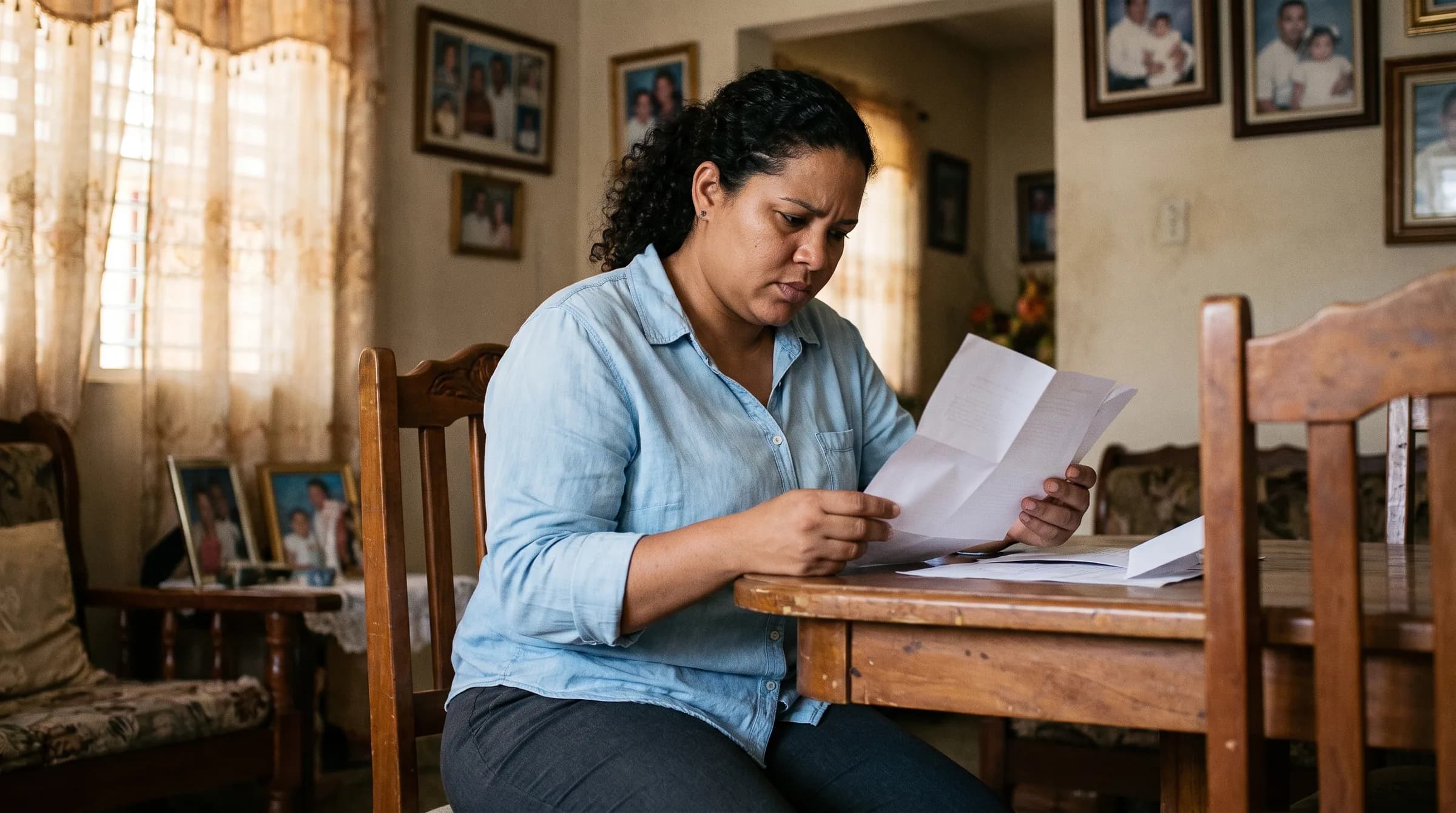
Family Donations to Buy a Home: How to Avoid Tax Surprises in the Dominican Republic
Many first-time homebuyers in the Dominican Republic receive financial help from their parents for the down payment on their first home. It's a common and understandable situation: prices have risen, bank requirements are strict, and family support can make the difference between buying and continuing to rent.
However, there's a frequent mistake that creates unnecessary anxiety: receiving family donations to buy a home in the Dominican Republic without first checking whether that money transfer generates taxes, what exemptions apply, and how to document it correctly.
This lack of clarity creates awkward situations when the bank asks about the origin of your funds, when your lawyer drafts the purchase contract, or when you can't explain whether your gifted money is "in order" fiscally.
Toca Timbre
Propiedades reales. Agentes verificados. Tú decides sin miedo.
The Common Misunderstanding About Gifted Money
The most widespread belief is that "gifted money doesn't pay taxes" or, at the other extreme, that "any family help will be costly with no way to plan around it." Both ideas are incorrect.
In the Dominican Republic, donations are regulated by Law 2569-50 on inheritances and donations, modified by Law 30-26. The reality is that clear exemptions and reduced rates exist that can make receiving family money completely legal and with minimal or no tax cost—but only if you structure it correctly from the start.
The Typical First-Time Buyer Experience
 Carolina is 32 years old and works for a telecommunications company in Santo Domingo. Her parents offered her RD$2.5 million for the down payment on an RD$8 million apartment she found in Naco. She was excited, contacted the real estate agent, and started the mortgage application process.
Three weeks later, the bank's credit officer asked her for documentation backing the origin of the RD$2.5 million. Carolina realized she didn't have a donation contract, didn't know if she had to pay taxes on receiving that money, and wasn't sure how to explain that it was "gifted money" from her parents.
That uncertainty led her to postpone the purchase for two months while she searched for answers, she lost the opportunity on that specific apartment, and experienced anxiety that could have been avoided with advance planning.
The Tax Exemptions and Benefits That Exist
The Dominican tax system does include tools to reduce or eliminate the tax cost of family donations:
Exemption for Minimum Amount
Donations that don't exceed the minimum exempt amount under Income Tax are exempt from the donation tax. For successive donations from the same person to another, the tax applies when the annual sum exceeds that amount.
Reduced Rate Between Direct Family Members
Following the reform of Law 30-26, donations between direct relatives (parents-children), between spouses, and between siblings have a reduced rate of 3%, instead of the historical 27%. This change significantly reduces the cost of receiving family money to buy a home.
Donations for "Family Homestead"
Specific exemptions exist for donations intended to create or promote the "family homestead" (bien de familia), which can apply when the money is specifically intended for the purchase of the family home.
How to Correctly Structure a Family Donation
The orderly sequence that eliminates uncertainty includes these steps before contacting real estate agents:
1. Calculate Whether an Exemption Applies Based on Amount Verify whether the annual total received exceeds the minimum exempt amount under Income Tax, considering the rule on successive donations.
2. Take Advantage of the 3% Reduced Rate If the donation exceeds the minimum exempt amount, confirm that the preferential rate between direct family members outlined in Law 30-26 applies.
3. Document the Donation Correctly Put the donation in writing where the specific purpose (home purchase) and the family relationship between donor and recipient are clear.
4. Confirm the Tax Treatment Consult with an accountant or the DGII (Dominican tax authority) to determine whether you need to pay tax, whether the reduced rate applies, or whether the transaction is completely exempt.
5. Prepare Documentation for the Bank Have ready the documents that back up the lawful and transparent origin of the money to present during the mortgage application process.
The Right Time to Act
A buyer who follows this structure arrives at property hunting with clear answers: she knows whether her gifted money generates tax or is exempt, she knows what documents back up that origin, and she doesn't fear questions from the bank or the agent.
Instead of improvising during the negotiation, she can focus on choosing the best property and the best financing terms, because the tax dimension of the family donation is already resolved from the beginning.
A Reflection on Advance Planning
The mistake isn't in accepting family help to buy a home. The mistake is doing so without verifying donation regulations, available exemptions, and the correct way to document the transaction in a legal environment that does offer tools to reduce costs if you act with planning.
The difference between a successful purchase and an anxiety-filled experience often isn't about the amount available, but about the order in which you make decisions and organize the fiscal and legal aspects.
If you're considering receiving family help for your home purchase, tax clarity should come before your property search. Toca Timbre is an app where you can explore properties posted by real estate agents and contact them directly via WhatsApp once you already have clarity about the origin of your funds. You can start exploring the market at Toca Timbre
Frequently Asked Questions
Do I Always Have to Pay Tax When My Parents Gift Me Money?
Not always. If the donation doesn't exceed the minimum exempt amount under Income Tax, it's completely exempt. If it does, between direct family members such as parents and children, a reduced rate of 3% applies according to Law 30-26, not the 27% that applied historically.
Do I Need a Formal Contract If My Parents Gift Me Money to Buy a House?
Although not always required, it's advisable to document the donation in a contract where the purpose of the money (home purchase), the family relationship, and the conditions are clear. This facilitates banking procedures and can help apply specific exemptions.
Can the Bank Reject My Loan Application If I Don't Properly Document the Origin of My Gifted Money?
Yes, banks must verify the lawful origin of all funds used in the transaction. If you can't adequately demonstrate that the money comes from a legally structured family donation, they can request additional documentation or, in extreme cases, reject the application.
Sources
- Donation Tax — DGII
- Donation Tax Guide — DGII
- Law 2569-50 on Inheritances and Donations — SC Lawyer
- Law 30-26: Complete Guide for the Real Estate Sector — Inmobiliario.do
- Tax Treatment of Donations — Vlex
- Tax Reform Rewards Transparency — Acento
- Donation Tax — Ministry of Finance
- Inheritance and Donation Tax Law 30-26 — Siempre al Día