Security Deposits in the DR: What Your Contract Should Include
25 de julio de 2026 · 4 min min read
Learn what a security deposit contract in the Dominican Republic should contain and how to avoid abusive clauses that hurt you.
Security Deposits in the DR: What Your Contract Should Include (and What to Avoid)
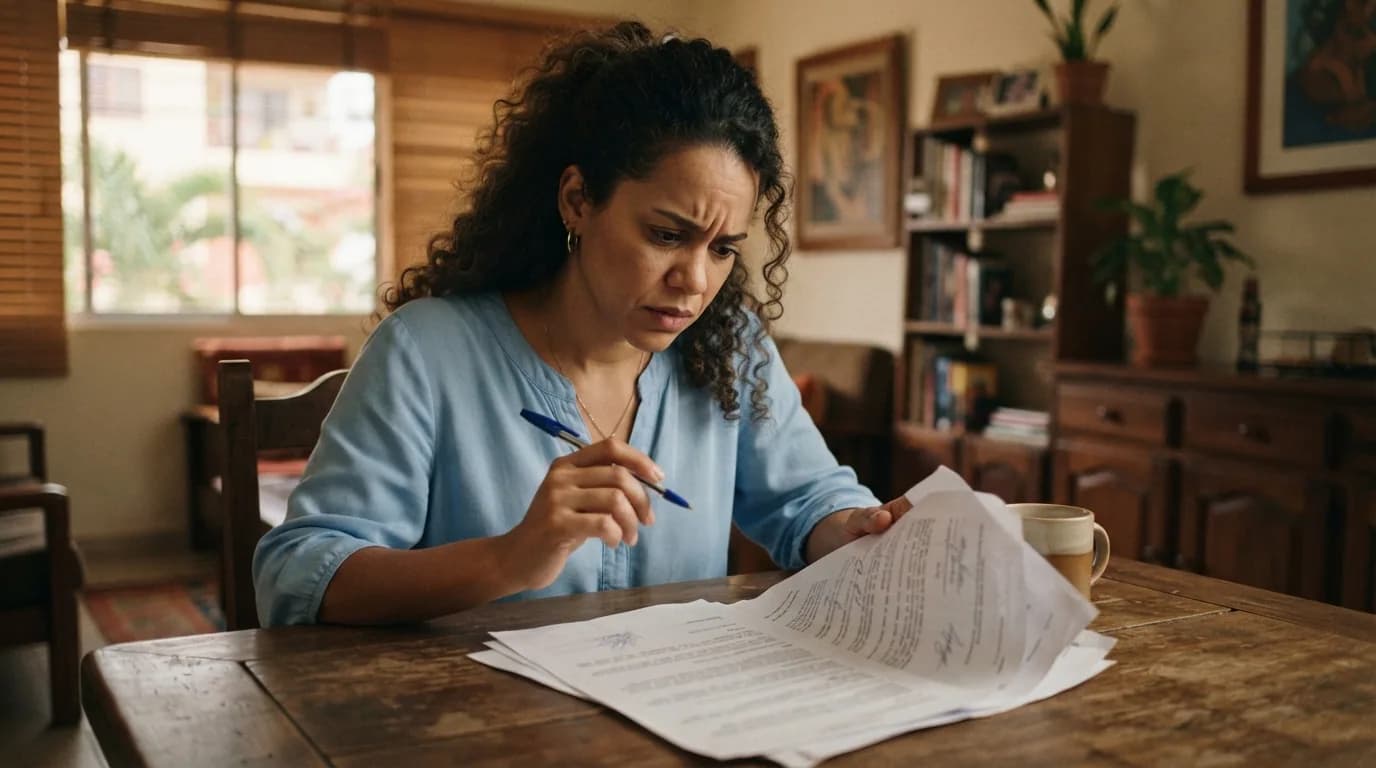
Marta reviews the rental contract for the third time. The landlord says it's "standard," but something bothers her. The deposit seems high, doesn't mention where her money will be held, and one clause says the guarantee "under no circumstances" will be returned. Her instinct tells her something's wrong, but she's not sure exactly what.
In the Dominican real estate market, security deposit contracts are often poorly written or contain clauses disproportionately benefiting one party. This doesn't just create conflicts—it can cost you money and time.
The False Belief About Deposits
Many people believe security deposits are "lost money" that landlords automatically keep if anything goes wrong. This belief leads tenants and buyers to accept abusive conditions, thinking "that's just how it is."
Toca Timbre
Propiedades reales. Agentes verificados. Tú decides sin miedo.
The reality is different. A well-structured security deposit protects both parties and must be returned when contract conditions are met.
What Your Rental Contract Should Say
 In the Dominican Republic, Law No. 4314 on Rental Deposits establishes clear rules that many contracts ignore. Your contract must include:
Amount and Proportion
The deposit should be proportional to monthly rent. Best practice is that it doesn't exceed one month's rent. If asked for more, ask why and get it in writing.
Legal Destination of Funds
This is the most ignored point: any sum received as guarantee must be deposited in Banco Agrícola within the first 15 days of the contract. Your contract must:
- Clearly specify this obligation
- Establish timeline for making the deposit
- Guarantee you'll receive proof of bank deposit
Return Conditions
The contract must be specific about when you get your money back:
- In what cases you receive full return
- What situations justify partial or full retention
- Timeline for return (recommended: 15-30 days)
- Obligation to justify in writing any retention
For example: "The deposit will be returned in full within 21 days after property delivery, provided no damage beyond normal wear exists and no rent is owed. Any retention must be justified in writing with detailed invoices."
Red Flags in Purchase Contracts
In sales transactions, the good faith deposit typically ranges between 1% and 3% of purchase price. A solid contract must specify:
Third-Party Custody
Money must be held in an escrow account managed by a neutral third party (attorney, notary, or specialized entity), not in seller's personal accounts.
Objective Release Conditions
The contract must establish clear rules about when the deposit applies to final price and when it returns to buyer.
What Your Contract Should NOT Say
These clauses are red flags you should avoid:
Automatic 100% Retention
Clauses allowing the other party to keep all deposit for any minor breach, without proportionality or obligation to prove actual damage.
"Non-Refundable Under Any Circumstance"
Especially problematic when there are pending contingencies (financing, inspections, title verification) that are the other party's responsibility.
Evasion of Law 4314
Any wording trying to avoid bank deposit by renaming the money ("bonus," "premium," "reserve") or claiming it's a "private agreement."
Use of Deposit as Current Rent
Without clarifying when it applies or preventing all return even when no damage or debts exist.
A Realistic Case
Carlos finds an Santiago apartment. The landlord asks RD$45,000 deposit for RD$25,000 monthly rent, plus two months advance. He says it's "for security" and the money goes "in a separate account."
Carlos should:
- Question why the deposit exceeds monthly rent
- Demand that it specify bank deposit with Banco Agrícola
- Request a contract detailing return conditions
- Get detailed receipts for each item
If the landlord resists these basic conditions, it's a clear warning sign.
Protect Yourself from First Contact
The quality of your real estate experience in the Dominican Republic depends greatly on where and how you start your search. Working with professionals who understand these regulations and handle transparent contracts makes all the difference between a smooth transaction and months of legal headaches.
A good real estate agent explains each contract clause and ensures legal provisions are met. A questionable professional will rush signature without allowing time for detailed review.
The difference between a deposit protecting you and one harming you is in the contract details. Take the time to understand them before signing. Your financial peace of mind is worth more than rushing to close a deal.
For those seeking more clarity in their Dominican home buying process, there are tools facilitating contact with verified real estate agents from the start. Toca Timbre is an app where you can explore properties listed by different agents and contact directly via WhatsApp with those managing options you're interested in. This lets you compare professionals and find those working with transparent contracts from first contact: Toca Timbre
Frequently Asked Questions
Is it legal for them to ask for more than one month's deposit?
There's no specific prohibition, but best practice is that it doesn't exceed one month's rent. If asked for more, you have the right to know why and have it justified in writing. Also, all deposits must comply with Law 4314 and be deposited in Banco Agrícola.
What happens if the landlord doesn't deposit my guarantee in Banco Agrícola?
They're violating Law 4314, which can bring them sanctions and legal difficulties if they need to evict you. For you, it means your rights aren't fully protected. Always demand proof of bank deposit.
Can they retain my deposit for "normal wear and tear"?
No. Normal property use doesn't justify deposit retention. Only actual damage exceeding expected wear can be retained, and must be justified with detailed invoices and evidence. The contract must clearly distinguish between normal use and repairable damage.