Condo Conflicts in the Dominican Republic: A Complete Guide
12 de octubre de 2026 · 5 min min read
Learn about the most common conflicts between condo owners in the DR and how they affect your first purchase. Practical guide with real cases and legal framework.
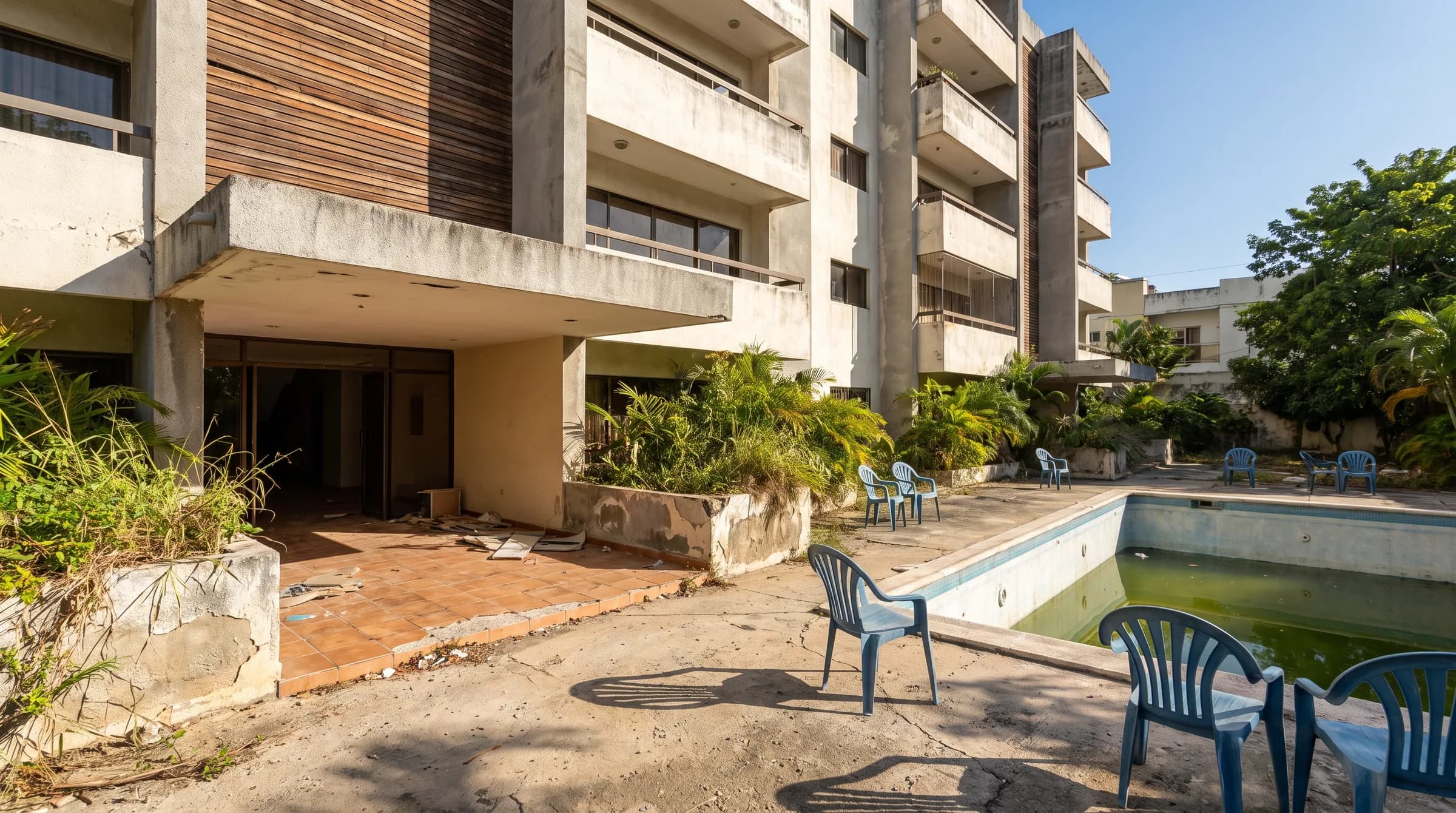
Condo Conflicts in the Dominican Republic: A Complete Guide
María Elena signed her first apartment in a residential complex in Santiago six months ago. During the visit, everything seemed perfect: modern lobby, sparkling pool, clearly marked parking spaces. What she didn't know was that she was entering a building where conflicts between condo owners in the Dominican Republic had become part of the daily routine.
Today she receives her third special assessment of the year to repair leaks that could have been prevented with basic maintenance. Her neighbors constantly argue over parking spots, several apartments have accumulated months without paying maintenance fees, and the management hasn't called an assembly in eight months. Her investment of RD$3.2 million feels more like a monthly burden that keeps growing out of control.
The reality behind conflicts in Dominican condominiums
The common belief is that problems between neighbors are "minor things" that get resolved through conversation. In practice, conflicts between condo owners in the Dominican Republic follow structural patterns that directly affect your property's value and your quality of life.
Toca Timbre
Verified properties, certified agents. You just decide.
According to Law 5038 on Condominiums, each owner must contribute proportionally to conservation and maintenance expenses based on their ownership percentage. When this system fails, the consequences multiply: unexpected special assessments, accelerated deterioration of common areas, and a living environment that can become unbearable.
The five main sources of conflict
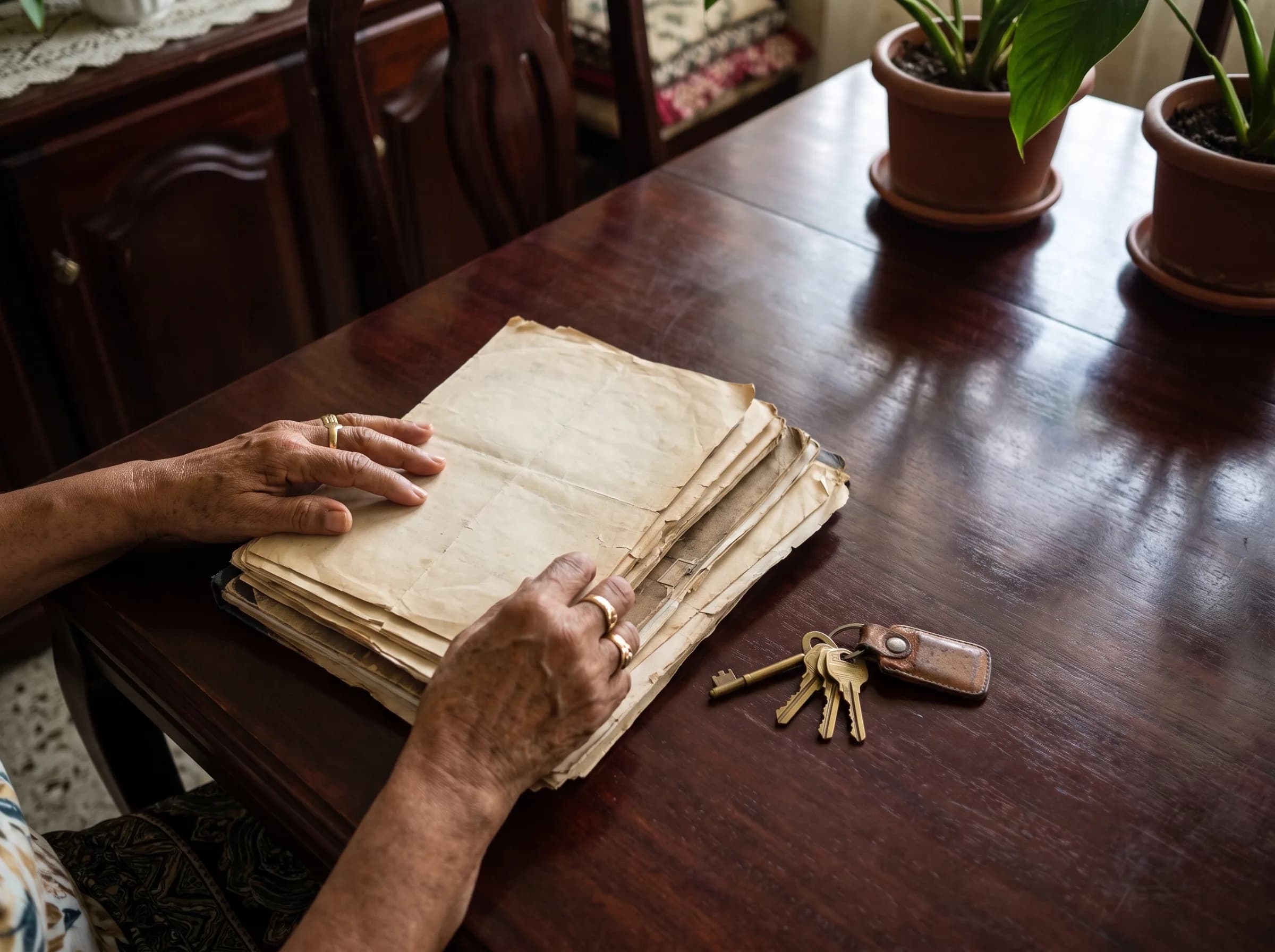
1. Delinquency in maintenance fees
It's the most litigated conflict. When several owners stop paying, the condominium can't maintain elevators, green areas, or security systems. Those who do pay end up subsidizing delinquent owners or face special assessments.
2. Parking disputes
It goes beyond "basic respect." Many property titles don't clearly specify which parking space corresponds to each unit, creating legal ambiguities that escalate to formal lawsuits.
3. Leaks between apartments
Determining whether the problem comes from a common or private area defines who pays for repairs. Without competent management, these cases drag on for months while damage spreads.
4. Misuse of common areas
From short-term rentals like Airbnb to small businesses operating from apartments. Each unauthorized use affects the building's dynamics and may violate the condominium regulations.
5. Constant noise and disturbances
Loud music, uncontrolled pets, recurring parties. What starts as "cohabitation problems" can escalate to physical violence between neighbors.
How a bad property manager multiplies these problems
Carlos bought his apartment in a Punta Cana project after reviewing prices, location, and finishes. He didn't ask about management. Six months later he discovered that the property manager doesn't present financial statements, assemblies are called "when there's time," and fees are charged without an approved budget.
The result: RD$45,000 per month that promised to cover everything became RD$67,000 between the base fee, unexpected assessments, and his proportional share of debts accumulated from previous mismanagement.
A bad property manager doesn't just mishandle money. He also lacks the tools to mediate conflicts, apply regulations consistently, and maintain the transparency that owners need to make informed decisions.
The legal framework few buyers understand
The Real Estate Jurisdiction (Land Court) has authority to resolve disputes between condo owners over management and enjoyment of common areas. This includes conflicts over area use, façade modifications, and disagreements with assembly decisions.
The typical process follows this ladder:
- Direct mediation between neighbors
- Property manager intervention
- Formal complaint to the board of unit owners
- Legal letters and formal notices
- Real estate referral (urgent measures)
- Ordinary lawsuit in court
For a first-time buyer, reaching step 4 already represents emotional strain and legal expenses that weren't in your original budget.
Condo Conflicts in the Dominican Republic: Red Flags Before You Buy
Before signing, request:
- Assembly meeting history for the last 12 months: If there's no regular record, it's a sign of poor management
- Approved annual budget and financial statements: To understand the real cost of living there
- Current delinquency rate: A high percentage indicates collection problems or miscalculated fees
- Updated condominium regulations: Should specify permitted uses, assigned parking, and procedures for resolving conflicts
- Evidence of preventive maintenance: Receipts for elevator services, pool, and green areas
If the seller or agent dodges these questions with "that gets sorted out later" or "those are minor details," you're seeing the first red flag.
The difference between a well-managed building and a problematic one
In a well-managed condominium, conflicts are handled with clear procedures before they escalate. Management presents monthly reports, maintains a reserve fund for emergencies, and calls assemblies where owners can participate in important decisions.
In a problematic building, each month brings surprises: unexplained extra charges, maintenance problems that are postponed until they become expensive, and an environment where neighbors avoid common areas to avoid running into conflicts.
The difference isn't coincidental. It's the result of starting your search with structured information, prioritizing condominium management as much as location or price.
If you're considering buying your first property, remember that where you start your search determines the quality of information you receive. Toca Timbre is an app where you can explore properties posted by verified agents and contact them directly via WhatsApp to ask the right questions from the first moment. Toca Timbre.
Frequently Asked Questions
What happens if I buy an apartment with condominium debts?
According to Law 5038, condo maintenance fee debts have legal privilege over the property. This means you could inherit part of those debts or face liens if they're not resolved before purchase. Always request a debt-free certificate showing condo fees are current as part of the purchase process.
Can I sue a noisy neighbor directly?
First you must exhaust internal channels: formal complaint to the property manager, registration in the incident log, and mediation through the board of unit owners. Only after that can you access real estate referrals or ordinary lawsuits. Documenting each step with photos and written communications strengthens your legal case.
How can I tell if a property manager is competent before buying?
Check if he presents regular financial statements, calls assemblies according to the law, maintains a record of decisions, and has clear procedures for handling conflicts. A good property manager should also be able to explain the annual budget, delinquency rate, and planned maintenance projects.
Sources
- Conflict between condo owners
- Conflicts over parking in condominiums
- Law 5038 on Condominiums
- Horizontal property law Dominican Republic
- Respect limit cohabitation community
- Common lawsuits and conflicts in condominiums
- Life in apartments is often a nightmare
- Conflicts in condominiums between mediation and law
- What to do to face conflicts in condominiums
- Modernize condo law to resolve conflicts