Buying a Co-Owned (Proindiviso) Property in the DR: Risks and Checks
5 de noviembre de 2026 · 2 min min read
If a title has several owners, buying can get expensive. Understand what proindiviso means in the DR, what risks it carries and what to request before signing.
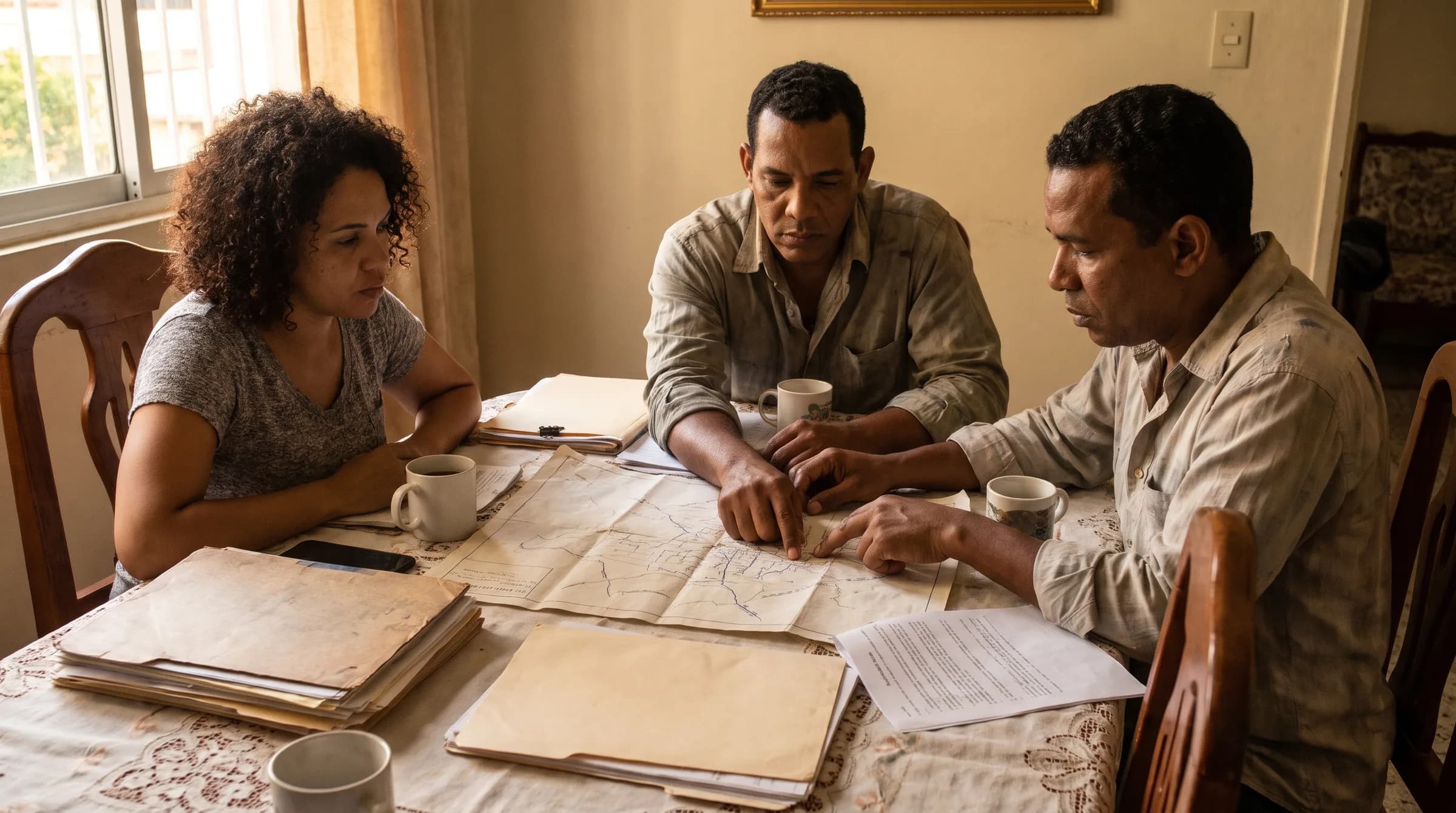
Carmen found a house in a good area at an attractive price. The seller, son of the original owner, explained that "the house belongs to the family, but I handle the selling." When her lawyer reviewed the papers, the title was in the names of four heirs. Only one was present.
That situation has a name: proindiviso.
What proindiviso means
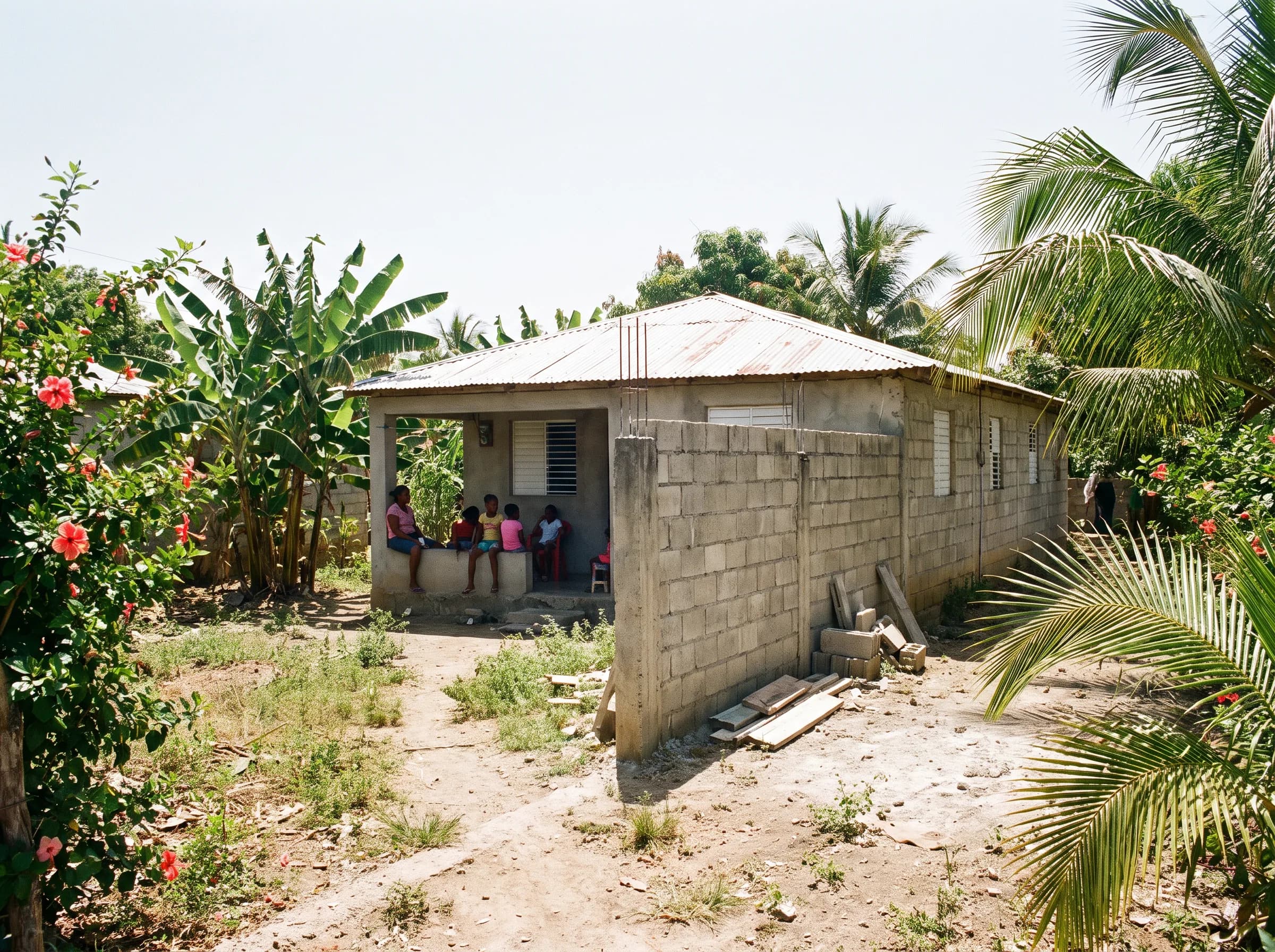
A property is held proindiviso when it belongs to several people at once, without each having a defined physical piece. It is very common after an inheritance: the children inherit the whole house in ideal shares, say a quarter each, but the house is still one single property.
Toca Timbre
Verified properties, certified agents. You just decide.
Being proindiviso is not illegal, and it is not impossible to buy. What changes is who has to sign and what exactly you are buying.
The main risks
- One co-owner sells without the others' consent. If not everyone signs, or there is no valid power of attorney, the sale can be challenged.
- What you buy is an ideal share, not a physical portion. You could buy "a third of the house" and end up co-owning with people you do not know.
- Undeclared heirs. Someone else with rights shows up after the purchase. We cover this in hidden heirs: warning signs in Dominican property inheritances.
- Pending debts or partition proceedings that do not come up in a casual conversation.
What to request before signing
- Title certificate and an up-to-date legal status report listing all co-owners.
- Signatures from every co-owner, or a clear, verifiable notarized power of attorney.
- A declaration of heirs if the property comes from an estate. For context, read intestate inheritance in the Dominican Republic: who really inherits.
- Confirmation that the property can be divided or surveyed, if you are buying a specific portion.
- Your own lawyer, not the seller's or the family's.
When it is better to wait
If the co-owners do not agree, if someone is abroad without leaving a power of attorney, or if there is a family dispute, the prudent move is to wait until the partition is resolved. A house in a family conflict does not turn into your peaceful home.
Also see red flags in Dominican property inheritances for other cases.
If you prefer a property with one clear titleholder, browse apartments for sale in Santo Domingo and insist on seeing the title from the first conversation.