Buy Property from the U.S. Without Flying: 4 Real Steps
29 de julio de 2026 · 6 min min read
Discover how to buy property in the Dominican Republic from the United States without traveling first. Real steps, red flags, and what to do before first contact.
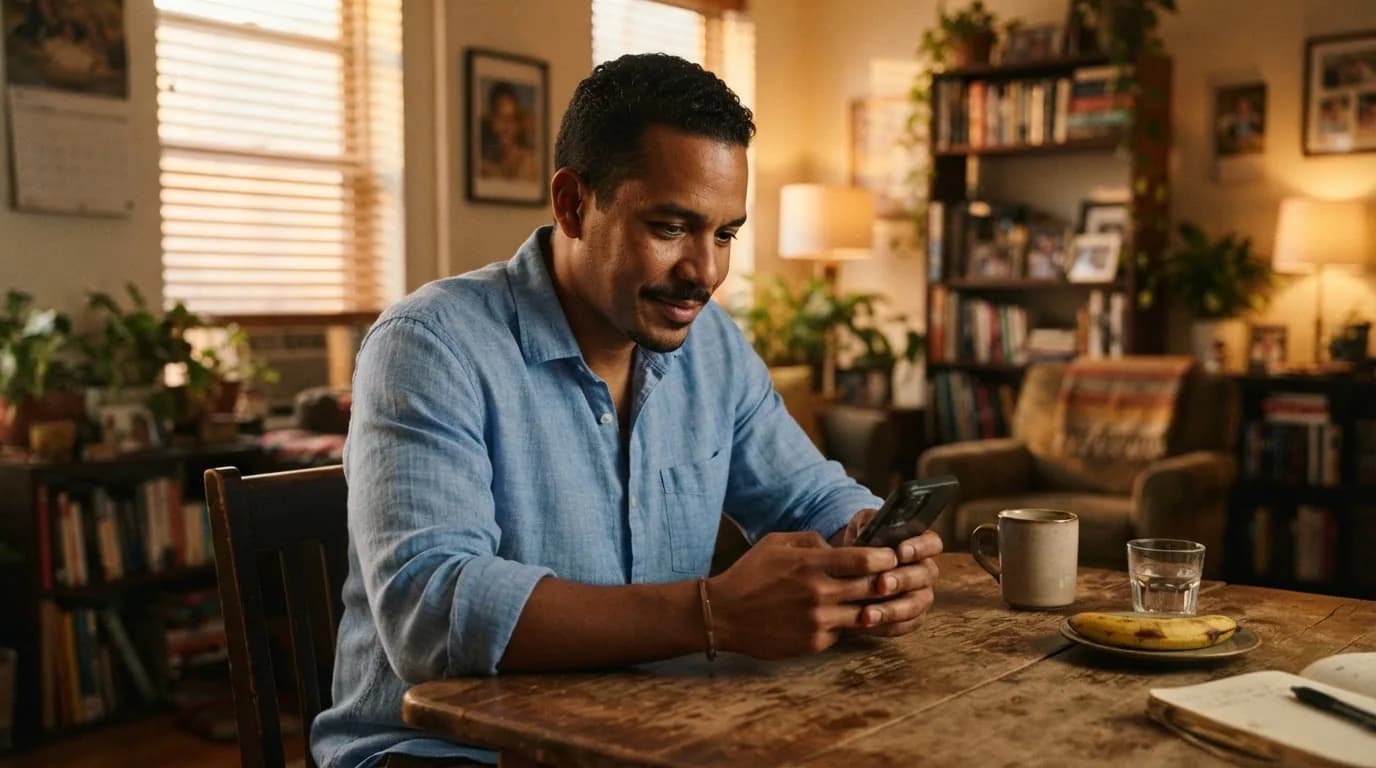
Buy Property from the United States Without Flying First: The 4 Real Steps
Many Dominican residents in the United States believe they need to fly to the Dominican Republic to start the property purchase process. This common belief leads them to postpone important decisions or, worse, send money before having clarity about what they're actually buying.
The reality is different: buying property in the Dominican Republic from the United States without flying first isn't just possible; it's recommended when you follow a disciplined order. Foreigners can buy with the same rights as Dominicans, with no need for residency or special permits. The problem isn't the physical distance; it's starting the process in the wrong place.
The Emotional Moment That Changes Everything
Carlos has been sending US$300 monthly to his brother in Santiago for three years to "explore investment options." When he finally traveled to see the properties shown to him over WhatsApp, he found overpriced apartments at US$15,000 above market, incomplete documents, and promises that didn't match reality. His mistake wasn't trusting his family; it was not structuring his search from the start.
Toca Timbre
Propiedades reales. Agentes verificados. Tú decides sin miedo.
This pattern repeats constantly: emotional urgency to "do something" with savings leads buyers abroad to skip fundamental steps. The result is wasted time, committed money, and above all, the feeling that the Dominican market is impossible to navigate from a distance.
First Step: Structured Remote Investigation
 The first real step isn't contacting agents or sending money signals. It's gaining clarity on five basic elements: purchase purpose, total available budget, zone of interest, property type, and risk tolerance.
This phase includes digitally comparing zones, reviewing projects in different development stages, analyzing rental promises, and understanding maintenance costs. For purchases in construction projects, you must research builder reputation, verify they have completed projects, and check if they have proper municipal permits.
From the United States, you have access to information many local buyers don't consult: you can review multiple sources, compare prices by zone, and detect inconsistencies in offers before committing funds or travel time.
Second Step: Connection With Verified Professionals
Once you're clear about what you want, the next step is connecting with a verified real estate agent and, separately, with a Dominican lawyer representing only your interests as buyer.
This separation is crucial: the agent helps you find options matching your criteria, but the lawyer handles legal due diligence without conflicts of interest. Many buyers from abroad make the mistake of relying on one contact for both functions, reducing control over the process.
The verified agent should be capable of video calls, showing properties virtually, and explaining specific details about documentation, additional costs, and real timelines. If he avoids this type of direct communication or pushes quick decisions, it's a clear red flag.
How to Buy Property in the Dominican Republic: Remote Due Diligence
The third step is remote legal review. Here your lawyer should request and analyze specific documents: Title Certificate, Real Estate Registry Status Certification, tax payment proof, and when applicable, condominium account statements.
This review confirms the seller has legal right to transfer the property, that no liens, mortgages, attachments, or pending disputes exist, and that measurements and boundaries match official records.
For buyers from the United States, this stage also involves preparing financial documentation: passport, second ID, income proof, bank statements, and tax returns. This documentation shows legitimate fund origin and facilitates later closing.
Fourth Step: Remote Closing Coordination
Closing can be formalized from the United States through a notarial power granted to your Dominican lawyer. This power must be authenticated or apostilled in the United States and then recognized in the Dominican Republic.
The correct flow includes: signing the preliminary contract or purchase agreement, final document review, payment according to the agreed schedule, signing the final contract before a Dominican notary (represented by your lawyer), and registering the title transfer at the corresponding registry office.
This structured process lets you complete the purchase without flying first, maintaining control over each stage and reducing risks from rushed decisions during short trips.
Specific Red Flags for Buyers from Abroad
Buyers from the United States face specific red flags that are harder to detect remotely:
Unrealistically low prices without clear justification are often used to attract unsuspecting international buyers. If there's no reasonable explanation for the price difference, be suspicious.
Demanding advance payments before showing documents, allowing legal review, or formalizing negotiations is a common pattern in scams targeting buyers abroad.
Limited communication to WhatsApp or email, avoiding video calls, calls, or clear seller identification is another risk signal, especially when they refuse to allow independent lawyers to participate.
Projects without clear permits or developers who can't show municipal approvals, cadastral designation, and history of previous constructions represent high risks for buyers who can't verify progress physically.
The Difference of Starting Point
Carlos's experience could have been completely different if he'd structured his search before sending money. The Dominican real estate market isn't inherently problematic for buyers abroad; the problem comes when you start the process in the wrong place.
When you prioritize clarity over speed, investigation over blind trust, and professional verification over emotional decisions, buying from the United States without flying first becomes an advantage: you have time to analyze without pressure, access multiple options without travel time limits, and ability to structure the process to your real needs.
The Dominican real estate market works perfectly for international buyers who understand that the first step isn't sending money—it's gaining control over the search process.
If you're considering buying property in the Dominican Republic from the United States, you can explore options more structurally through Toca Timbre, an application where buyers can review properties published by agents and establish direct contact over WhatsApp. This lets you start conversations with clear information from the beginning, before committing time or resources to the process. Explore available options at: Toca Timbre
Frequently Asked Questions
Is it legal for a foreigner to buy property in the Dominican Republic without traveling first?
Yes, completely legal. Foreigners can buy properties in the Dominican Republic with the same rights as Dominicans, with no need for residency or special permits. The process can be completed through a notarial power granted to a Dominican lawyer, as long as the power is properly authenticated or apostilled in your country of origin.
What documents do I need to prepare from the United States to buy a property?
You need to prepare: valid passport, second official ID, recent income proof, bank statements, tax returns for the last two years, and customer knowledge forms. These documents show legitimate fund origin and facilitate the closing process. You'll also need to grant a notarial power to your Dominican lawyer if you decide not to travel for closing.
How long does it take to complete a purchase from abroad?
Time varies depending on transaction complexity, but typically takes 30 to 90 days from property identification to final closing. Initial investigation phase can take 2-4 weeks, legal due diligence another 15-30 days, and final closing process 15-45 days. Purchases of construction projects or with financing can extend these timelines significantly.
Sources
- Punta Cana Villa — https://puntacanavilla.com/es/pueden-los-extranjeros-comprar-propiedades-en-la-republica-dominicana/
- Villas in Casa — https://villasincasa.com/es/foreigners-buying-property-dominican-republic/
- Corotos Blog — https://www.corotos.com.do/blog/fraudes-inmobiliarios-en-republica-dominicana-senales-de-alerta-y-consejos-para-protegerte
- Ivelisse de la Cruz — https://www.ivelissedelacruz.com/categ/guia-practica-para-evaluar-propiedades-en-rd-indicadores-checklist-y-senales-de-alerta
- Wise Blog — https://wise.com/es/blog/comprar-casa-en-republica-dominicana