How to Know if a Property Has Pending Heirs in DR
16 de agosto de 2026 · 5 min min read
Discover the key documents to verify if a property has pending heirs before buying. Avoid costly succession errors.
How to Know if a Property Has Pending Heirs in Dominican Republic
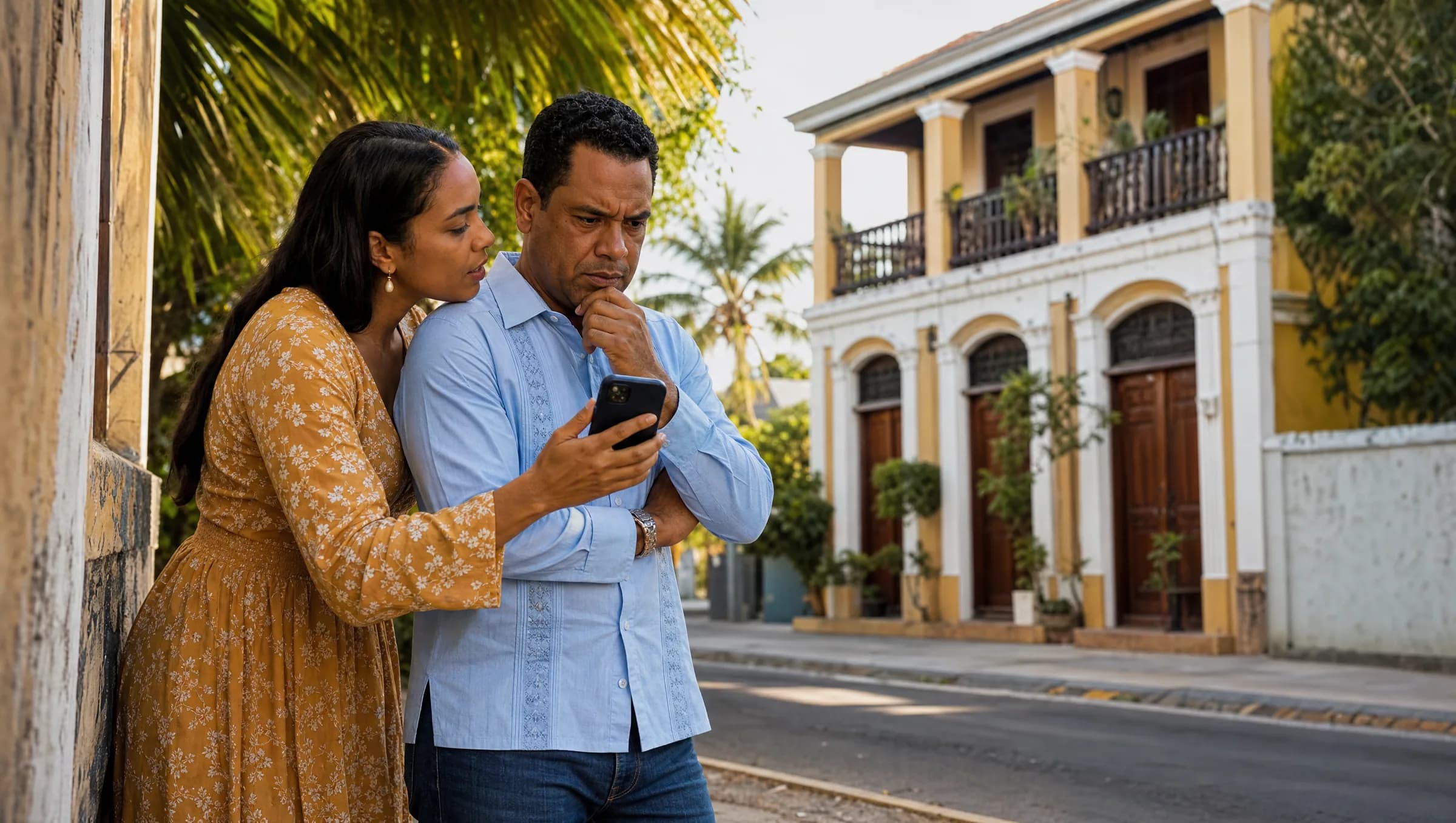
Carlos found the perfect house in Santiago. The price was fair, the location ideal, and the seller seemed trustworthy. But when his sister asked him "have you checked if there are pending heirs?", he realized he didn't even know where to start. This question, which should be automatic, exposes one of the most dangerous gaps in the home-buying process in Dominican Republic.
The uncomfortable reality is that many Dominican buyers hand over deposits or even full payment without knowing if the property they're buying has unresolved succession conflicts. It's a risk that can turn the investment of your lifetime into a legal nightmare.
The mistake 7 out of 10 buyers make
The most dangerous belief in the Dominican real estate market is that "if the seller has the title, everything is clear." This blind faith ignores a fundamental reality: when the original owner dies, the property remains formally in their name until the entire succession process is complete.
Toca Timbre
Propiedades reales. Agentes verificados. Tú decides sin miedo.
This means that even if the seller is the deceased's direct child or grandchild, they legally cannot transfer what doesn't yet formally belong to them. However, many buyers, especially Dominicans living abroad, trust the family's word and proceed without any verification.
The documents that reveal the truth about pending heirs
 To know if a property has pending heirs, you need a minimum package of documents that any serious seller should provide without resistance:
Updated Title Certificate: This document, issued by the Title Registry, shows who is registered as the property owner. If a deceased person's name appears, it's an immediate signal that succession is pending.
Certificate of Encumbrances: Reveals whether there are mortgages, attachments, lawsuits, or succession proceedings listed against the property. A property that "looks clean" on paper can have surprises registered here.
Death Certificate of the Original Owner: If the registered owner has passed away, this document is mandatory to begin any succession verification.
Notarial Act of Heir Determination: This document, drawn up by a notary with witnesses, formally establishes who the legitimate heirs are and what assets are part of the succession.
Proof of Succession Taxes Paid: The Internal Revenue Service (DGII) requires heirs to declare the succession and pay 3% of the total value of inherited property. Without this step, no valid transfer occurs.
Miguel's story: when nostalgia costs RD$2.5 million
Miguel, a Dominican living in the United States, received a call from his cousin offering him "grandmother's house" for RD$2.5 million. "The family needs the money and you always said you wanted to come back," his cousin explained. Excited by the possibility of recovering his roots, Miguel transferred the money from Miami after seeing photos and a scanned title.
Three years later, when he tried to sell the property, he discovered the reality: the house was still in his grandmother's name, who had passed away five years earlier. The succession was never declared to the DGII, other heirs never signed anything, and succession taxes had accumulated significant penalties.
Worse: an uncle appeared claiming rights to the property and had started heir determination proceedings in court. Miguel not only lost the money, but faced a legal battle that lasted two additional years.
The correct process to verify successions
A verified real estate agent who understands the Dominican system follows these steps before presenting any property:
-
Request updated certification from the Title Registry to verify the current owner and detect suspicious notations.
-
Verify if the owner is alive by consulting civil records and, if deceased, request the death certificate.
-
Check if heir determination exists by consulting files at the Superior Land Court or local courts.
-
Confirm succession tax payment by reviewing certificates issued by the DGII.
-
Verify powers and representations when heirs live abroad, ensuring they're properly apostilled and translated.
This process can take between 2 to 4 weeks, but it's the only way to confirm that the sale will be legally valid.
Red flags you shouldn't ignore
Some situations should trigger all alarms:
- The seller refuses to show the original Title Certificate
- Mentions that "some documents are in process" but that doesn't affect the sale
- Pushes you to sign quickly "before other interested buyers appear"
- Cannot clearly explain how they obtained rights to the property
- Avoids mentioning whether the original owner is alive or deceased
- Offers prices significantly below market without valid explanation
Reflection: patience as a protection tool
In a market where pressure and artificial urgency are common, your best defense is informed patience. A property without pending heirs won't disappear because you take two additional weeks to verify documents. A property with succession problems, conversely, can cost you years of legal problems and significant economic losses.
Verifying heirs isn't paranoia; it's basic due diligence in a country where succession processes can be complex and many families indefinitely postpone regularizing inheritances.
If you're beginning your property search, consider exploring options through platforms that connect you with verified agents. Toca Timbre is an app where you can see properties posted by real estate agents and contact them directly via WhatsApp to ask the right questions from the first moment. Explore available options at: Toca Timbre
Frequently asked questions
How long does it take to verify if a property has pending heirs?
Complete verification can take between 2 to 4 weeks, depending on situation complexity. This includes requesting certifications from the Title Registry, reviewing court files, and confirming succession tax status with the DGII. An experienced agent can speed up this process by coordinating requests simultaneously.
What if I buy a property with pending heirs without knowing?
Legally, the sale could be declared void because the seller didn't have valid rights to transfer the property. This means you could lose both the money paid and the property. In the best scenario, you'd have to wait for the succession to be resolved and pay additional costs; in the worst, you'd face a prolonged legal battle with other legitimate heirs.
Do heirs living abroad have the same rights?
Yes, Dominicans living abroad maintain all their succession rights. However, they must follow specific procedures: apostille documents, make official translations, grant valid powers of attorney for local representation, and if there's a foreign will, have it recognized by Dominican courts. Distance doesn't eliminate rights, but it does complicate procedures if not handled correctly.