How to Avoid Real Estate Scams When Buying from Abroad
30 de agosto de 2026 · 5 min min read
Discover the warning signs and most common mistakes foreigners make when buying properties in the Dominican Republic from outside the country.
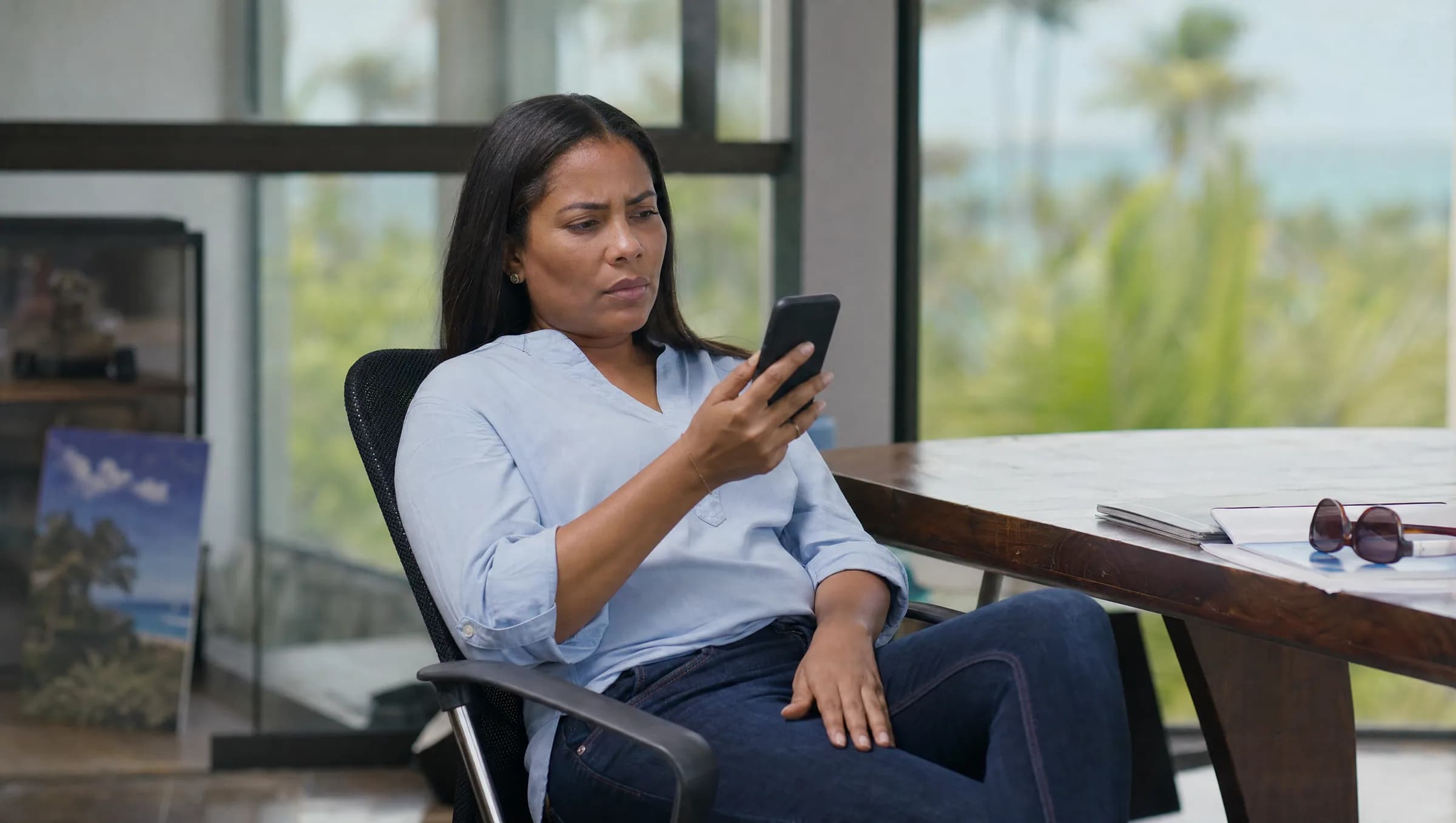
How to Avoid Real Estate Scams When Buying from Abroad
Buying property in the Dominican Republic from abroad can become a financial nightmare if you don't know the red flags of the local market. The reality is that real estate scams in the Dominican Republic are more common than many international buyers imagine, especially when the process starts on social media or through informal contacts.
The Dominican real estate market allows anyone to present themselves as a "broker" or agent without official registration or oversight from regulatory agencies. This informality creates the perfect scenario for fraudulent operations that exploit the physical distance and foreigners' lack of knowledge about local processes.
The Most Costly Mistake: Starting in the Wrong Place
Most foreigners begin their search in Facebook groups, WhatsApp contacts, or portals where anyone can post. María, a Colombian living in Miami, saw a beachfront house in Las Terrenas for US$180,000 in a Facebook group. The price seemed incredible compared to similar properties she'd seen for US$350,000.
Toca Timbre
Verified properties, certified agents. You just decide.
The supposed agent asked for a US$15,000 deposit "to reserve the property" before showing documents or allowing a detailed virtual visit. When María asked for a video call to meet the agent, he always had excuses: connection problems, important meetings, or "it's better we talk via WhatsApp".
After three weeks of message exchanges, María discovered the same property appeared on other portals at different prices with different agents. None could explain the square footage discrepancies, exact location, or sale conditions.
Warning Signs in Dominican Republic Real Estate Scams
 Scams follow recognizable patterns that every foreign buyer should know:
Suspiciously Low Prices
If a property costs 40% less than similar ones in the same area, there's probably a problem. Scammers use attractive prices as bait to quickly capture interest.
Advance Payments Without Documentation
Never transfer money to personal accounts without first reviewing the title certificate, verifying the seller's identity, and confirming the agent has actual authority from the owner.
Avoidance of Direct Contact
Legitimate agents accept video calls, provide business information, and let you verify their track record. If they only communicate via text and avoid calls, that's a red flag.
Inconsistent Documentation
Titles that don't match the actual plot, private contracts without recording basis, or developments on paper with delivery dates that keep changing.
Artificial Time Pressure
"This offer expires tomorrow" or "another buyer is interested" are common pressure tactics. Legitimate real estate operations allow sufficient time for due diligence.
How to Protect Yourself: Essential Due Diligence
Real protection against scams comes from a structured verification process:
Agent Verification
- Investigate whether they belong to a registered agency
- Search for references from previous clients
- Confirm their presence in professional directories
- Check that the business has commercial registration
Property Verification
- Request the updated title certificate
- Confirm absence of liens, seizures, or litigation
- Verify that parcel numbering matches the location
- Confirm the seller is the registered owner
Independent Legal Advice
Hire a Dominican attorney who represents your interests only. Never use the seller's or developer's attorney. Your attorney should review all documents before any fund transfer.
Secure Payment Structure
Deposits should be handled through escrow or verified third-party accounts, never in the agent's or seller's personal accounts.
The Real Cost of Starting Without Verification
When you begin your search on informal channels, you don't just expose yourself to direct fraud. You also waste valuable time investigating phantom properties, comparing incorrect data, and rebuilding each contact's reputation on your own.
A process that could take 2-3 months with verified agents extends to 6-8 months when you start disorganized. Besides, initial confusion can lead you to make decisions based on incomplete or biased information.
The Difference of an Organized Starting Point
Starting with verified agents and platforms that concentrate reliable information completely changes the experience. Instead of dedicating weeks to verifying each contact's legitimacy, you can focus on evaluating real properties with consistent data.
A verified agent also provides local market context: helps you understand actual zone prices, appreciation perspectives, environment quality, and additional costs like transfer tax (3%), notary fees, and registration.
This doesn't eliminate the need for due diligence, but makes it more efficient and focused. Your energy goes into analyzing real opportunities, not discarding fraudulent options.
The reality is that where you start to search determines everything after. A disorganized beginning creates a disorganized process. An organized beginning, while seeming slower at first, results in more informed decisions and safer transactions.
If you're considering buying from abroad, you can explore the market with greater clarity using tools connecting directly with verified agents. Toca Timbre is an app where buyers can see properties published by agents and contact them directly via WhatsApp, letting you start conversations from a more organized base: Toca Timbre
Frequently Asked Questions
How do I verify if a real estate agent is legitimate in the Dominican Republic?
Currently there's no mandatory official registry of real estate agents in the Dominican Republic. That's why you must manually verify: check whether they belong to an agency with commercial registration, review their online presence, request references from previous clients, and confirm they're known by established developers. You can also consult with recognized real estate companies whether they know the agent.
Is it safe to send deposits from abroad to reserve properties?
Never send deposits to personal accounts without prior legal documentation. Deposits should be handled through escrow, verified third-party accounts, or via your Dominican attorney. Always require a promise of sale contract before transferring funds and verify the seller is the registered owner.
What documents should I review before buying property in the Dominican Republic?
Essential documents are: updated title certificate (not older than 30 days), property registry confirming absence of liens or seizures, seller's ID if individual or business registry if company, and property plat. Your attorney must verify that all documentation is consistent before proceeding with the purchase.