First Home Bonus + Bank: The Real Process Step by Step
9 de junio de 2026 · 7 min min read
How the real process of buying with a first home bonus and bank financing works in the Dominican Republic. Everything you need to know.
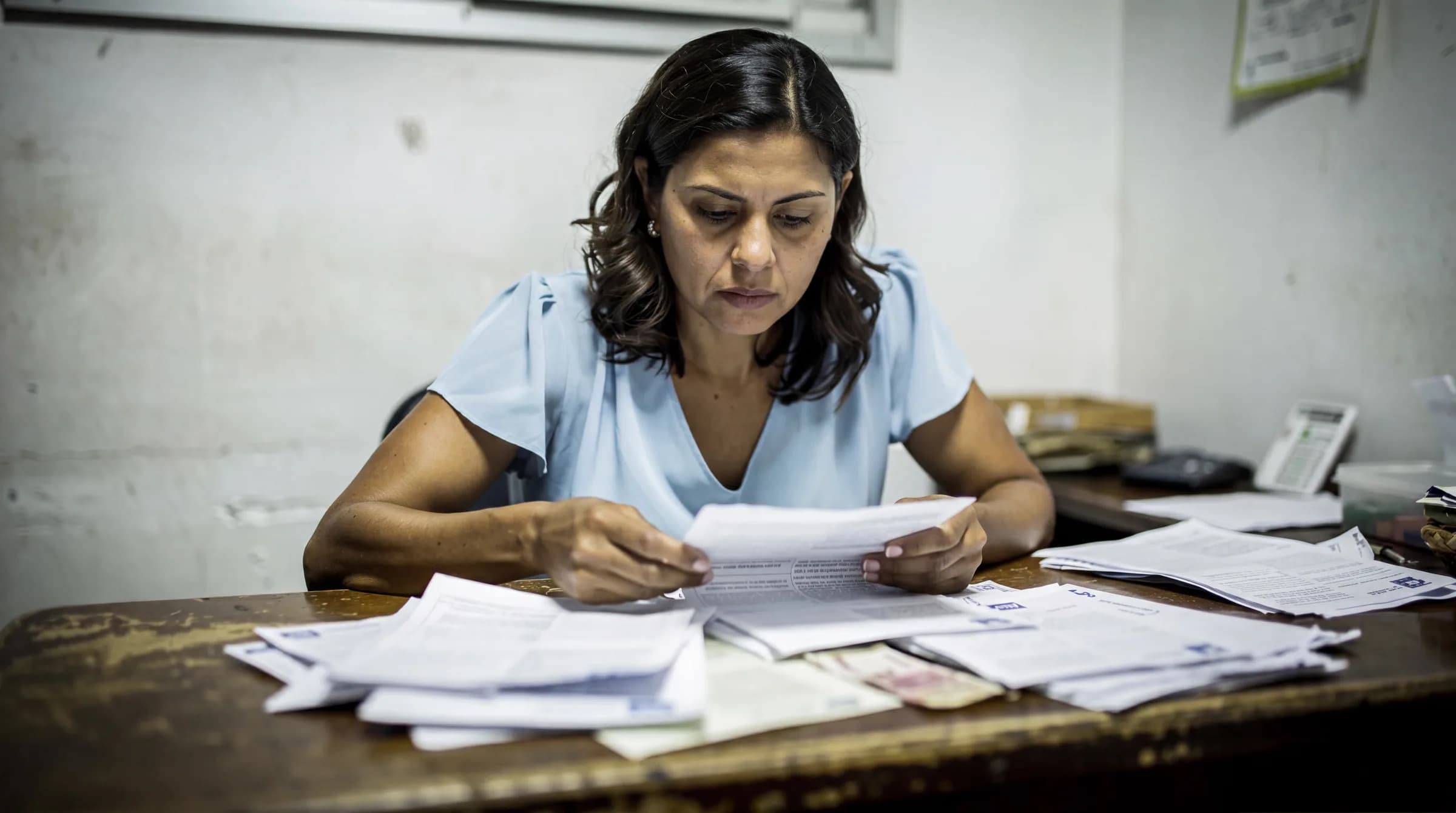
First Home Bonus + Bank: The Real Process Step by Step in the Dominican Republic
María had saved for three years for the down payment on her first home. When she discovered she qualified for the first home bonus, she thought everything would be simpler. "With the bonus and the bank, I've got this sorted," she told herself. Six months later, she found herself navigating through bank rejections, missing documents, and a project that turned out not to qualify for the bonus she expected to use.
The reality is that combining the first home bonus with bank financing isn't automatic. It's a process that involves three different flows that must coordinate perfectly: the bank's, the government's, and the real estate transaction. When you don't understand how they work together, families end up losing time, money, and above all, peace of mind during what should be one of the most important decisions of their lives.
The Common Belief (And Why It Creates Problems)

Toca Timbre
Propiedades reales. Agentes verificados. Tú decides sin miedo.
Many Dominican families believe that "getting the bonus" is the hardest step in the buying process. Once they confirm they qualify for the Low-Cost Housing Bonus—which returns between 6% and 8% of the property value in ITBIS—they assume the rest of the process will be straightforward.
This belief creates the most expensive error: starting with the benefit instead of starting with the structure. Families focus on finding any property that "accepts the bonus" without verifying that the project is developed through an approved trust, that the trustee is regulated, or that the agent advising them has real experience coordinating these complex operations.
The result is operations that drag on for months, financings that fall through at the last minute, and buyers who discover too late that the project or their profile doesn't actually qualify for the incentive they expected to use.
How Bank + Bonus Financing Really Works
The real process of buying a property using home bonus and bank financing in the Dominican Republic requires coordinating multiple actors and validations. Here's the step-by-step flow that actually works:
1. Pre-qualification and Bank Pre-approval
Before choosing any property, the buyer must define their real budget by approaching a bank for financial pre-approval. The lender will evaluate income, credit history, and payment capacity, indicating the maximum loan amount and whether the client qualifies for programs with home bonus.
At this stage, basic documents are gathered: identification, bank statements, income proof, and tax returns. An agent with experience in the process helps align your real budget with projects that actually qualify for financing and bonus.
2. Selection of Eligible Project
With pre-approval in hand, comes the critical part: confirming that the chosen project is formally registered, has the correct legal structure (construction under low-cost housing trust), and is eligible for the type of bonus you want to use.
An agent who knows the market quickly identifies developments that frequently work with banks and bonuses, reducing the risk of later rejections.
3. Reservation with Protections
Once the unit is chosen, you proceed to a reservation with an initial payment to secure the property. Here it's fundamental that the contract includes protection clauses in case the bank doesn't approve the expected amount or the bonus isn't granted on anticipated terms.
4. Parallel Legal Due Diligence
While the bank does its own verification, the buyer should hire a specialized lawyer to review titles, deed of charges, legal status of the project, and building permits. This independent review protects you from problems the bank might not detect.
5. Sales Promise and Credit File
A sales promise is signed where the price and payment method are established integrating bank + bonus + your own capital. With this promise, the complete file is assembled: loan application, property appraisal, and all project documentation.
For purchases with bonus, the government portion is included in the payment scheme, which is usually discounted from the amount to pay or applied as a supplement to the down payment. This coordination between bank, developer, and government requires prior experience to avoid misunderstandings.
6. Coordinated Final Approval
The bank analyzes the complete file and issues final mortgage credit approval. In parallel, the eligibility and actual bonus amount for that specific buyer and particular unit are validated. Only when both are confirmed do you have the definitive financing conditions.
7. Tripartite Closing at the Bank
The final sales contract is signed, which in financing operations is usually tripartite (buyer, seller, and bank) and is signed at the bank. At that moment, funds are transferred: the bank disburses the financed portion, the bonus is applied according to the program's scheme, and the buyer contributes their own resources.
The signing is done before a notary public, and it's critical to review that the contract correctly reflects bonus usage and that the amounts match what was agreed.
8. Registration and Delivery
Finally, the contract is deposited at the Land Registry to manage the title transfer. If the property is mortgaged, the bank usually handles this process. Once the new title is issued, physical delivery of the property is coordinated.
The Critical Moment: When the Numbers Don't Add Up
Carlos found a house for RD$4.2 million that supposedly qualified for the bonus. He calculated that with a RD$300,000 bonus, his down payment would reduce to RD$420,000 and the bank would finance the rest. During final approval, he discovered two problems: the appraised value was RD$3.8 million (not RD$4.2 million) and the applicable bonus was RD$228,000, not RD$300,000.
His monthly payment went from the RD$28,500 he had calculated to RD$32,100, and he needed an additional RD$150,000 for the down payment. Without an agent who had validated these numbers from the beginning, Carlos had to renegotiate the entire deal or lose his reservation.
These misalignments are common when you don't validate the actual eligibility of the project and buyer from the start. The first home bonus only applies if the home is within established price ranges, the project has an approved trust, and the buyer meets all requirements: first and only home, current with tax obligations, and contract signed with the correct trustee.
Why Coordination Is Everything
The bonus + bank process doesn't fail because of requirements, but because of lack of coordination between parties. Each actor (bank, trustee, developer, agent) handles different information about timelines, amounts, and required documents. When no one knows the complete flow, document requests multiply, delays accumulate, and rescheduling happens repeatedly.
A well-coordinated process drastically reduces stress. By validating from the start the actual eligibility of the project and the experience of all involved parties, families avoid moving forward with unrealistic expectations and can make more informed decisions about their budget and the type of home they can actually acquire.
The Importance of Starting Right
Where you start looking for your first home determines everything that comes after. If you start with an agent who doesn't understand how bank and bonus coordinate, or with a project lacking clear documentation, every subsequent step becomes more complicated and risky.
Starting with structure—validating the project, verifying agent experience, and understanding the complete flow before committing—not only facilitates bonus and financing approval, but transforms what should be a positive experience into exactly that: the organized process of acquiring your first home.
When you're looking for your first home in the Dominican Republic, having clarity from the first contact makes the difference between a smooth process and months of unnecessary stress. At Toca Timbre you can explore properties published by real estate agents and contact them directly via WhatsApp with those who handle projects eligible for bonus and financing. The app lets you compare options and ask the right questions from the start, before committing to any process. You can explore it at Toca Timbre.
Frequently Asked Questions
How long does the bonus + bank process really take?
The complete process, from pre-qualification to delivery, usually takes between 3 and 6 months for completed housing, and 6 to 18 months for off-plan projects. Timelines depend mainly on the project's documentation preparation and the agent's experience coordinating with the bank and trustee. Projects with incomplete documentation or agents without process experience can drag it out significantly.
What if the bonus ends up being less than expected?
It's common for the final bonus amount to be different from the initial estimate, since it depends on the final appraised value, not the sale price. If the bonus is less, the buyer must cover the difference with their own resources or renegotiate financing. That's why it's important the sales promise includes protection clauses and the agent validates the real numbers from the start, not just marketing estimates.
Can I use the bonus with any bank?
Not all banks handle the same flow for operations with first home bonus. Some have more experience with specific trustees or particular project types. It's recommended the agent has prior experience coordinating with the chosen financial institution, since each bank has its own timelines and requirements for integrating the bonus into the financing scheme.
Sources
- First home bonus in DR: frequently asked questions — Mercanef
- Experts explain errors when buying first home with bonus — Diario Digital RD
- Home Bonus — DGII
- Experts guide on correct first home purchase with bonus — Viral en Dominicana
- Buying a house in the Dominican Republic: real costs and requirements 2026 — El Correo
- How to offset ITBIS with low-cost housing bonus — Banco Popular
- First home bonus: everything you need to know — RE/MAX