Trained Agent vs Facebook: How to Choose Correctly in the Dominican Republic
17 de septiembre de 2026 · 6 min min read
Discover the key differences between a trained real estate agent and someone who just posts on Facebook. Practical guide for Dominican buyers.
Trained Agent vs Facebook: How to Choose Correctly in the Dominican Republic
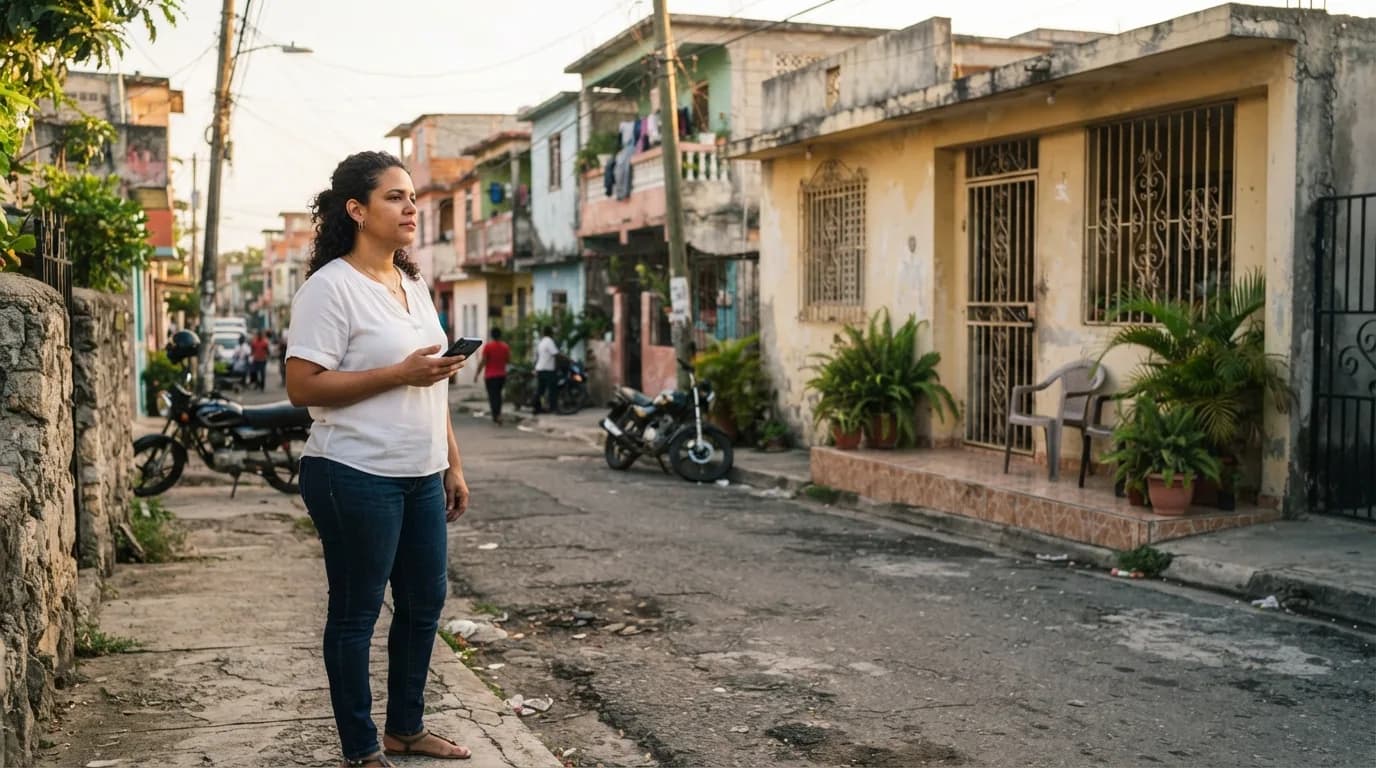
Carla has been searching for her first home in Santo Domingo for three weeks. She's seen dozens of listings in Facebook groups, received WhatsApp messages from people calling themselves "agents," and is starting to feel like everyone is telling her the same thing: "I have the perfect property for you."
The difference between a trained real estate agent in the Dominican Republic and someone who simply posts properties on social media can determine whether your purchase will be a calm decision or a source of future problems. In a market where anyone can call themselves an "agent," understanding these differences saves you time, money, and anxiety.
The mistaken belief: "All sellers are the same"
Many buyers assume it doesn't matter whether they contact someone posting on Facebook or a formally trained agent. "In the end, they're going to show me the same houses," Carla thinks. This belief ignores what really matters: it's not just about seeing properties, it's about correctly navigating the entire buying process.
Toca Timbre
Propiedades reales. Agentes verificados. Tú decides sin miedo.
The reality is that professional training marks a substantial difference in service quality and transaction safety.
The path of a trained real estate agent in the Dominican Republic
 An agent trained by institutions like INFOTEP, the Dominican Association of Real Estate Brokers (ADCI), or franchises like RE/MAX follows a structured path that includes:
Mandatory academic training: At least 90 hours of specialized classes or equivalent university credits in real estate matters. This covers appraisal, contracts, legal aspects, taxes, and customer service techniques.
Exams and certifications: Must pass technical evaluations that demonstrate real knowledge of the market, laws, and processes.
Continuous training: Regular participation in workshops, seminars, and updates on regulatory changes, digital tools, and market trends.
Legal responsibilities: Subject to the Money Laundering Law, DGII standards, and obligations as a tax withholding agent. Must know and comply with these rules.
This agent doesn't just show properties. They analyze your real budget, verify documents and titles, explain taxes and closing costs, and guide you through negotiations based on current knowledge of the local market.
The path of someone who only posts on Facebook
The person who only publishes listings in social media groups typically:
- Has not gone through structured training programs
- Has not demonstrated knowledge about contracts, title verification, or legal processes
- Does not belong to professional associations with codes of ethics
- Is not subject to internal audits or minimum service standards
- Focuses on showing properties, not guiding complete processes
This informality means the success of your purchase depends almost exclusively on the goodwill and personal experience of the advertiser, with no clear accountability mechanisms.
A real moment: when Carla realizes the difference
Carla finds a house she likes for RD$4,200,000 in Los Alcarrizos. The person who posted on Facebook tells her: "Perfect for you, you just need 20% down." Carla calculates: RD$840,000 down payment plus monthly mortgage.
But when she consults with a certified agent, she discovers information the Facebook poster didn't mention: the property has an unregistered right of way, the plans are not updated with the Municipality, and there are pending municipal taxes of RD$180,000.
That trained agent not only identified these problems, but explained how to resolve them before signing any documents and showed her how to calculate the real closing costs, which added RD$320,000 to her initial budget.
How to identify a truly prepared agent
To distinguish between a trained professional and someone making it up as they go, verify:
Affiliation with recognized associations: Ask if they belong to AEI (Association of Real Estate Agents and Companies) or ADCI. Request proof of active membership.
Specific training: Ask for details about their real estate education: what courses, which institution, when they completed them. A serious agent can show you certificates.
Knowledge of legal process: Should clearly explain the steps to formalize a purchase agreement, what documents to review at the Title Registry, and what your obligations are as a buyer regarding taxes.
Specialized certifications: Some international credentials like CRS (Certified Residential Specialist) or ABR (Accredited Buyer's Representative) indicate a higher level of professionalization.
Verification capability: A trained agent can explain what to verify in titles, plans, municipal permits, and the property's tax situation.
The real cost of choosing wrong
Working with someone unprepared can lead you to:
- Buy properties with undetected legal problems
- Pay above-market prices due to lack of comparative analysis
- Face unexpected expenses that weren't calculated initially
- Experience prolonged closing processes due to incomplete documentation
- Future tax problems from poorly structured transactions
The difference in fees between a trained agent and someone informal is minimal compared to the cost of these risks.
A thoughtful reflection on your decision
Choosing between a trained agent and someone who only posts on Facebook is not a decision about price or speed. It's a decision about the level of risk you're willing to take with the most important purchase of your life.
A trained agent invests years learning their profession, submits to continuous evaluations, and assumes legal responsibilities for their work. That investment in knowledge translates into protection for your assets and peace of mind in your buying process.
Where you start looking determines everything that comes after. A search that begins with verified professionals saves you months of confusion and brings you closer to a safe purchase.
If you're beginning your home search and want to explore the market with greater clarity, Toca Timbre is an app where you can see properties listed by agents and contact directly via WhatsApp with those handling the options that interest you. You can explore it at Toca Timbre
Frequently Asked Questions
Is it legal for someone without a license to sell properties in the Dominican Republic?
Currently, the profession of real estate agent is not completely regulated by a specific state law, which allows unlicensed people to act as intermediaries. However, there are bills in process that seek to establish mandatory licensing and training requirements. Meanwhile, working with agents affiliated with recognized associations like ADCI or AEI offers greater assurance of professionalism.
How much does it cost to work with a trained agent compared to someone informal?
The difference in commissions is usually minimal, typically between 1% and 3% of the property value in both cases. However, a trained agent can help you negotiate a better price, identify problems that save you thousands of pesos in future repairs, and structure the transaction in a fiscally efficient way. The real value is in the protection and knowledge, not just the commission.
What guarantee do I have if I work with an agent from a professional association?
Agents who are members of associations like ADCI or AEI are subject to codes of ethics and complaint procedures. If an affiliated agent acts improperly, you can file a formal complaint with the association, which can investigate and apply sanctions including suspension or expulsion. Additionally, many associations offer mediation programs to resolve disputes between agents and clients.
Sources
- How to become a real estate agent in the Dominican Republic: complete guide to starting your career — https://blog.remaxrd.com/novedades/como-ser-agente-inmobiliario-en-republica-dominicana-guia-completa-para-iniciar-tu-carrera-3249/
- Join RE/MAX Dominican Republic — https://remaxrd.com/unete
- Training of real estate agents in the Dominican Republic — https://www.youtube.com/watch?v=TAMI3Pt7Glk
- Dominican Republic: real estate agents — https://blog.bienesraiceslatinoamerica.com/republica-dominicana-agentes-inmobiliarios/
- Certified Residential Specialist: a course where you can change the way you do real estate — https://inmobiliario.do/certified-residential-specialist-un-curso-donde-podras-cambiar-la-manera-de-hacer-bienes-raices/
- What do I need to be a real estate agent in the Dominican Republic? — https://www.inmobiliaria.com.do/foros/foro-principal/que-necesito-para-ser-agente-inmobiliario-en-republica-dominicana/
- Want to know what AEI has for new real estate agents? — https://inmobiliario.do/quieres-saber-que-tiene-la-aei-para-los-nuevos-agentes-inmobiliarios/