5 Questions About Real Estate Taxes Before Closing in the DR
16 de octubre de 2026 · 5 min min read
Discover the taxes nobody mentions when buying a home in the Dominican Republic. Learn the 5 key questions to avoid fiscal surprises.
5 Questions About Real Estate Taxes Before Closing in the DR
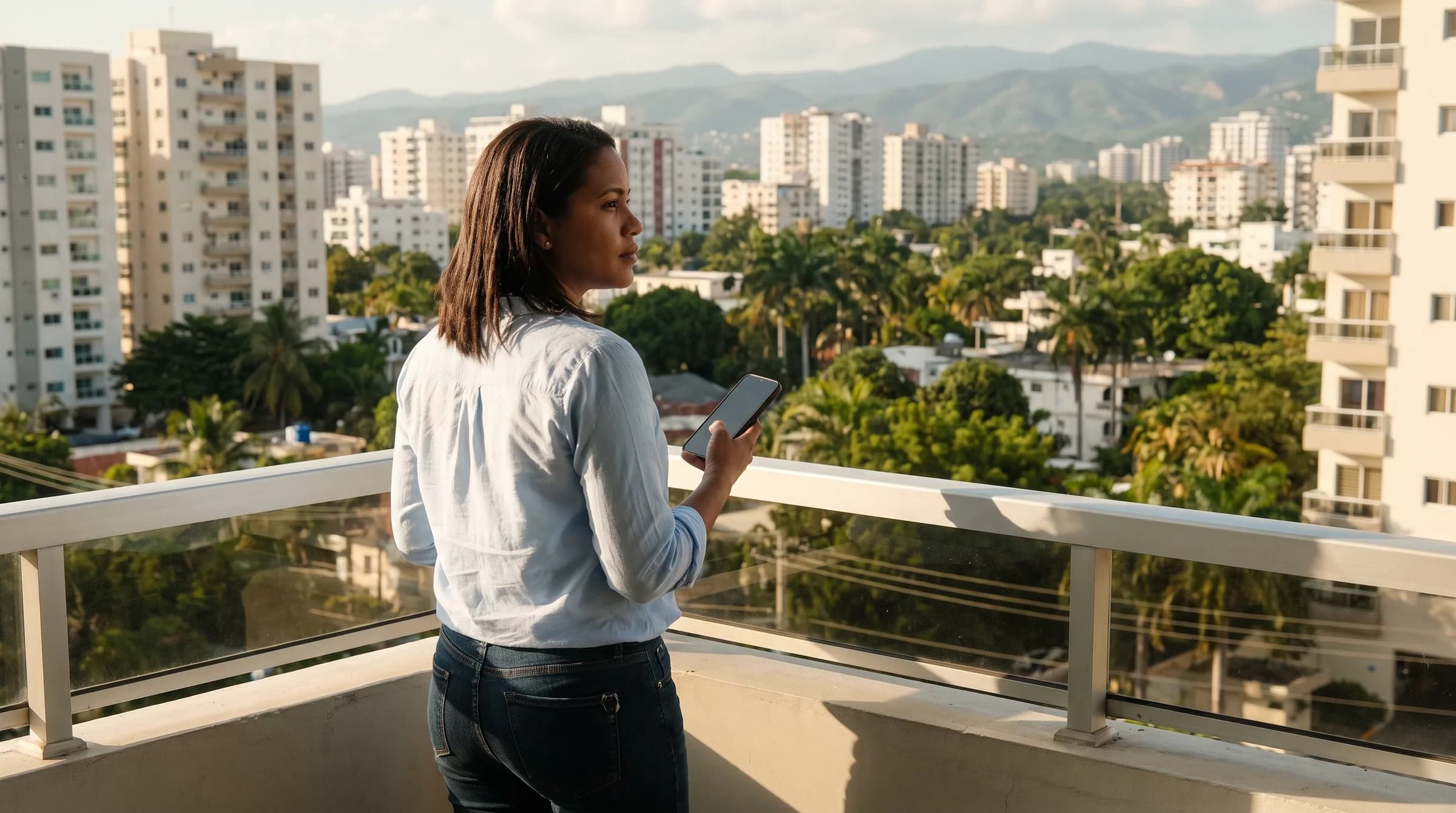
Carla has been looking at apartments in Santo Domingo for three months. She's compared monthly payments, calculated down payments, and visited projects, but something is troubling her: every time she asks about real estate taxes in the Dominican Republic, she gets vague or contradictory answers. "We'll deal with that later," they tell her. "Don't worry about it now," others insist.
This evasiveness is no accident. Many agents prefer to talk about the exciting stuff—the view, the finishes, the pool—before getting into fiscal obligations that will last decades. The result is that buyers like Carla reach closing without understanding what taxes they'll pay each year, when they'll start applying, and how they might change in the future.
The reality is that future taxes can completely change your affordability equation. It's not enough to know whether you can afford the bank payment; you need to understand the total fiscal cost of being a property owner in the Dominican Republic.
Toca Timbre
Verified properties, certified agents. You just decide.
The tax that shows up when you least expect it
Many first-time buyers assume that after paying the down payment, the transfer fee, and starting mortgage payments, they've met all their fiscal obligations. That peace of mind can last until the first notice arrives from the Real Estate Patrimony Tax (IPI) or when they discover municipal fees they hadn't considered.
The IPI is an annual tax of 1% that applies when a person's real estate portfolio exceeds the exempt amount set each year by the DGII. For 2024, that amount is RD$7,846,470. What confuses many people is that this tax is not charged on each individual property, but rather on the total value of all properties you own.
This means your first home worth RD$4 million might be exempt today, but if in five years you buy a second property or if your property's value appreciates significantly, you could start paying IPI on the amount that exceeds the exemption.
The 5 questions that organize the fiscal conversation

1. Will I have to pay IPI on this property and when could it start?
This question goes beyond the current property value. A prepared agent should explain how cumulative IPI calculations work, what happens if you plan to buy another property in the future, and how appreciation could push you toward the taxable threshold. They should also detail that IPI is paid in two semiannual installments and that the exempt amount adjusts annually.
2. How much will I pay in transfer tax and who assumes it?
The real estate transfer tax is 3% on the property value, normally calculated on the higher of the sale price or the fiscal appraisal. Although it legally falls on the buyer, some developers include it in the final price or subsidize it partially. You need a clear answer on whether that 3% is included in the figure they're quoting you or if it will be an additional cost.
3. What exemptions would apply in my specific case?
The Dominican Republic has benefits for first-time homebuyers and low-cost housing, but conditions change. For 2024, the low-cost housing limit rose to RD$4,200,000 and the first-time buyer bonus reaches up to RD$600,000. A verified agent should know if your purchase qualifies for these benefits and how long they would remain in effect.
4. What municipal fees will I pay each year?
Beyond the national IPI, each municipality can charge fees for services like garbage collection, street lighting, or urban maintenance. These typically get added to your electric bill or charged separately. An apartment in Bella Vista won't have the same municipal fees as one in Santiago or Punta Cana.
5. How could these taxes change over the next few years?
The IPI exempt amounts adjust annually, municipal fees can change, and fiscal policies evolve. A transparent agent should explain these scenarios and help you conservatively project what you could pay over a 5 to 10-year horizon.
Why it matters to ask from first contact
When Carla started her search, she thought all agents would have the same basic fiscal information. After three months of inconsistent answers, she understands that where you start looking determines the quality of information you receive throughout the entire process.
Structuring the conversation around these five questions doesn't eliminate taxes, but it does eliminate surprises. And in a decision that commits your income for decades, predictability is worth more than any last-minute discount.
The Dominican real estate market doesn't have to be a fiscal maze. The difference lies in arriving prepared to the conversation and demanding specific answers from first contact.
If you're beginning to explore the real estate market, Toca Timbre is an app where you can find properties posted by agents and contact them directly via WhatsApp to ask these important questions from the start. The platform helps you organize your search and arrive more prepared for each conversation.
Frequently Asked Questions
When is the IPI paid in the Dominican Republic?
The Real Estate Patrimony Tax is paid in two semiannual installments: the first between January and June, and the second between July and December. It only applies when the total value of your properties exceeds the annual exempt amount set by the DGII.
Does the buyer always pay the transfer tax?
Legally, the 3% transfer tax falls on the buyer, but in practice some developers include it in the price or subsidize it partially, especially on first-time buyer projects. You should always ask if it's included in the quote they give you.
What happens if I buy a second property in the future?
The IPI is calculated on the total value of all your properties. If your first home is exempt but you later buy a second property, the combined value could exceed the exempt amount and you would have to pay 1% annually on the excess.