3 Hidden Risks of Real Estate Pre-Sale in the Dominican Republic
6 de octubre de 2026 · 5 min min read
Discover the three risks that construction companies don't mention about pre-sales: delays, plan changes, and hidden costs. A guide for Dominican Republic buyers.
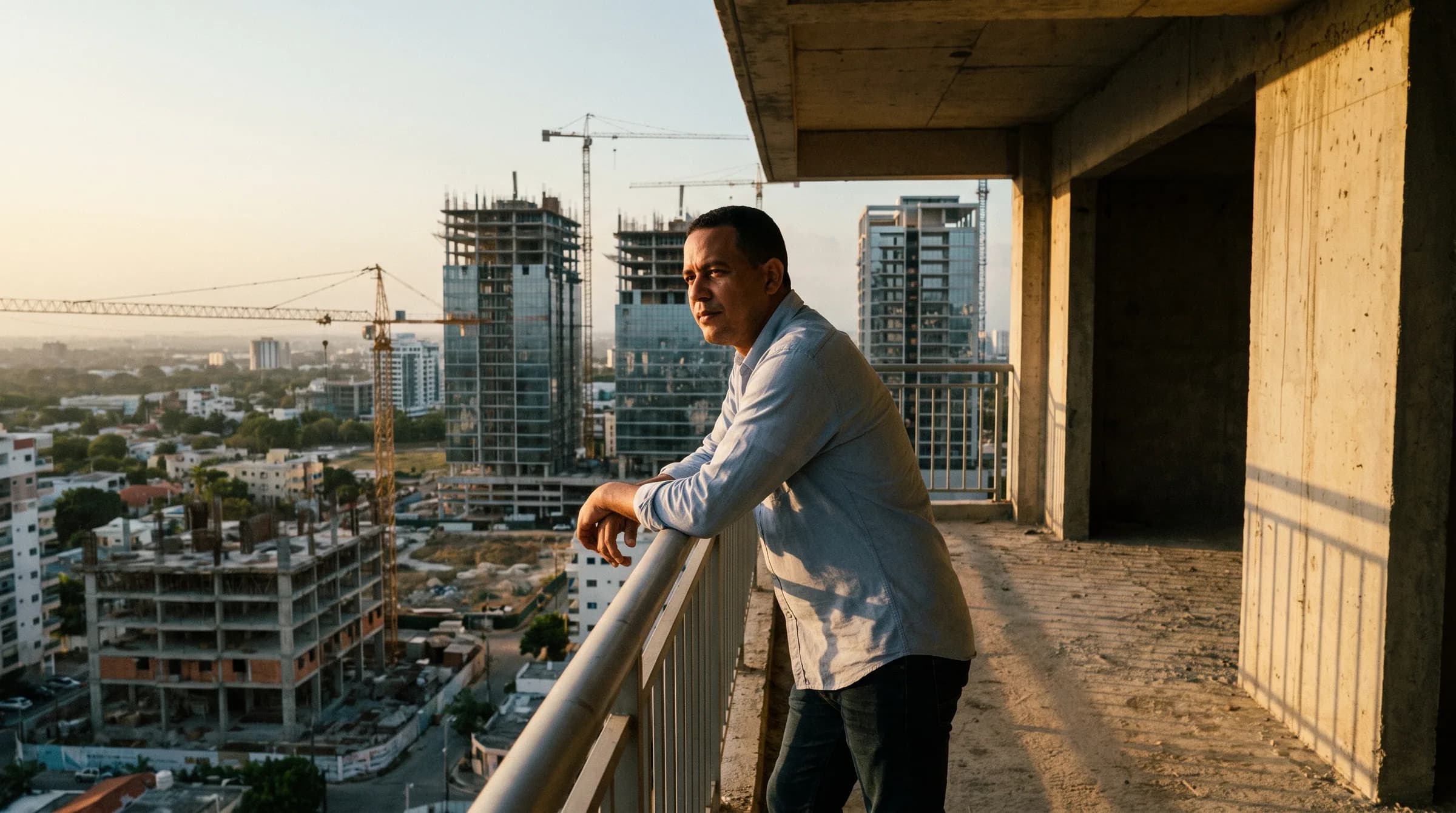
3 Hidden Risks of Real Estate Pre-Sale in the Dominican Republic
"Reserve today to lock in the launch price" is probably the phrase you hear most when visiting pre-sale projects in the Dominican Republic. The promise is tempting: lower prices, extended payment plans, and the chance to customize some finishes. But behind that opportunity lie at least three risks that are rarely explained with transparency.
Carlos, 34, reserved an apartment in a capital project two years ago. The price was attractive and the installments fit his budget. Today, while waiting for a delivery that's already eight months late, he just received notice of a 12% price adjustment for "material cost increases." His financial peace of mind turned into anxiety.
The Delays No One Plans for in Pre-Sale
The first hidden risk is major delays in delivery, often with no penalties for the developer. In the Dominican Republic, it's common for projects to fall behind by more than a year from the projected date, according to local economic media reports.
Toca Timbre
Real listings. Verified agents. You decide, fear-free.
Reasons range from institutional changes in plan processing to external factors like the pandemic. Builders like Noval Properties have had to publicly respond to complaints about delays, citing administrative procedures beyond their control.
For a buyer, the problem is that the delivery date usually appears as "estimated" in the contract, with generous grace periods. Without clear penalty clauses for delays, you could end up waiting an additional one or two years without compensation, affecting your moving timeline or rental income plans.
What to check before reserving:
- The delivery timeline clause and whether there's a grace period
- Specific financial penalty for each month of delay
- The developer's track record on previous deliveries
- Real status of construction permits and licenses
Changes in Plans and Specifications
 The second risk is variations between what's promised and what's delivered. Some Dominican buyers report that when they receive their unit, they find differences in layout, usable square footage, parking location, or finish quality.
These changes can range from minor adjustments like wall position to significant alterations such as reduced balcony space, substituted materials, or eliminated amenities. All of this impacts both functional value and resale value.
Attorneys specializing in real estate development point out that many promises are made with vague technical specs, leaving room for modifications that buyers can't effectively dispute.
What to check before reserving:
- Demand architectural plans signed and attached to the contract
- Verify a detailed description of finishes and amenities
- Ask what modification margin the developer reserves for itself
- Confirm your right to rescind for substantial changes
Extra Costs and Price Increases Beyond What You Agreed To
The third risk is costs that aren't apparent at first: price adjustments for material inflation, exchange rate fluctuations, and surcharges at closing.
In the Dominican Republic, many builders include clauses that allow price increases if materials or the dollar go up. You sign an attractive price today, but one or two years later you face a 10-15% or larger adjustment.
Cases have also been documented of unexpected administrative fees at closing time, which have led to lawsuits in Dominican courts.
What to check before reserving:
- Price indexation clauses and the maximum percentage they can adjust
- Complete payment breakdown: down payment, installments, amount at closing, legal fees
- Simulation of scenarios with 10-20% increases in materials or exchange rates
- What additional concepts might appear at the time of closing
The Evaluation Process That Protects You
To reduce these risks, the evaluation process should include three steps before you reserve:
-
Research the developer: Search for news about past projects, buyer complaints, and formal company responses
-
Legal contract review: Have an attorney review clauses on timelines, penalties, technical specs, and payment terms
-
Compare between projects: Evaluate at least two similar options to understand what's standard in the market and what isn't
The key isn't to avoid pre-sale altogether, but to understand that hidden risks in the Dominican Republic typically concentrate in three areas: flexible delivery timelines, vague plans and specs, and open-ended price clauses.
When a seller insists you "reserve today," remember that no legitimate opportunity should depend on signing without fully understanding what you're buying. A responsible reservation can always come with clear conditions, time to review, and formal protection channels.
If you're exploring pre-sale options, Toca Timbre is an app where you can see properties listed by verified agents and contact them directly via WhatsApp to ask the right questions from your first contact: Toca Timbre
Frequently Asked Questions
How much delay is normal in pre-sale projects in the Dominican Republic?
There's no such thing as a "normal delay," but experience shows that 6- to 12-month delays are common in the Dominican market. What matters is that the contract clearly specifies timelines and penalties for non-compliance. If the developer won't accept penalty clauses for delays, that's a red flag.
Can I cancel the purchase if the project changes significantly from what was promised?
It depends on what your purchase agreement states. If plans and specifications are attached to the contract as an integral part of it, you have more legal tools to claim damages. That's why it's crucial to demand detailed technical documentation from the moment you reserve, not just commercial brochures.
How can I protect myself from unexpected price increases in pre-sale?
Review whether the contract includes indexation clauses and sets clear limits. Some responsible builders fix the price from the start or limit adjustments to specific official indexes. You can also negotiate a maximum increase cap or conditions to cancel without penalty if the increase exceeds a certain percentage.
Sources
- Constructora JPrez — https://constructorajprez.com/blogs/consejos-pr%C3%A1cticos-para-comprar-una-propiedad-en-rep%C3%BAblica-dominicana
- Inmobiliario.do — https://inmobiliario.do/constructoras-capitalenas-con-retraso-en-la-entrega-de-proyectos/
- CDN Digital — https://cdn.com.do/nacionales/noval-properties-responde-a-denuncias-de-proyecto/
- Diario Libre — https://www.diariolibre.com/actualidad/nacional/2024/08/05/los-riesgos-de-comprar-apartamentos-en-planos/2809040
- El Dinero — https://eldinero.com.do/315770/comprar-vivienda-en-plano-o-terminada-que-conviene/
- ASVEN República Dominicana — https://asvenrd.com/blog/guia-basica-de-contratos-de-preventa-inmobiliaria-en-republica-dominicana-derechos-obligaciones-y-marco-legal/26608?page=2
- Álvarez Attorney & Investments — https://www.alvarezattorneyinvestiments.com/comprar-en-planos-sin-riesgos-evita-el-fomo-inmobiliario/