3 Key Questions Every Buyer Should Ask Their Real Estate Lawyer in the DR
29 de junio de 2026 · 4 min min read
Know the 3 essential questions all buyers must ask their real estate lawyer to avoid legal surprises in the Dominican Republic.
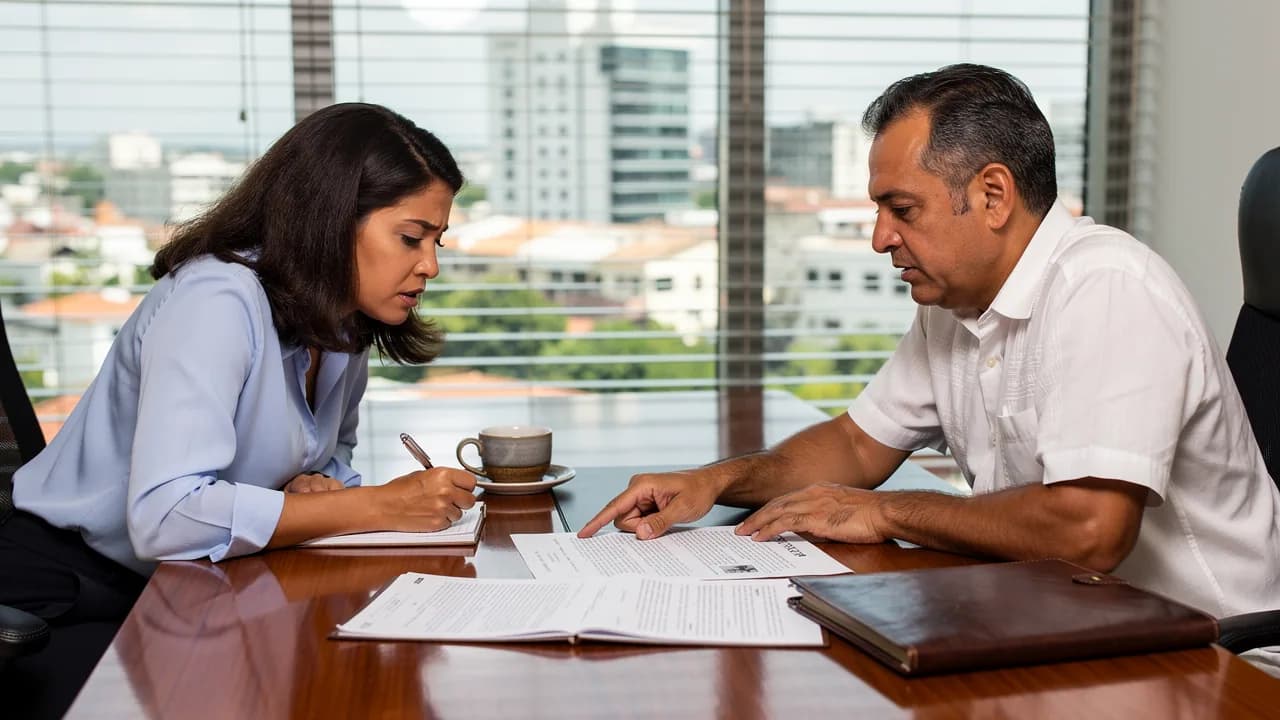
3 Key Questions Every Buyer Must Ask Their Real Estate Lawyer in the DR
María had been looking at apartments in Santiago for three months. She'd found one she liked, the price was within her RD$4.2 million budget, but when it came time to sign the contract, she realized something: she didn't know what to ask the lawyer. "Is everything okay?" was all she could think to say. Two weeks later she discovered the property had a tax lien for unpaid taxes that no one had mentioned.
In the Dominican real estate market, many buyers think the lawyer will automatically review "everything important." The reality is that without specific questions, it's easy for critical details to be overlooked in conversation.
Why the Right Questions Make a Difference
The home purchase process in the Dominican Republic has particularities that don't exist in other countries. Electronic titles, mandatory surveys, Real Property Tax, and the possibility of using special powers for buyers living outside the country are just a few examples.
Toca Timbre
Propiedades reales. Agentes verificados. Tú decides sin miedo.
A competent real estate lawyer can detect problems before they become legal nightmares, but needs the buyer to guide conversation toward the most vulnerable points of the process.
The 3 Essential Questions for Your Real Estate Lawyer
1. "Can You Show and Explain the Current Title Status, Survey, and Any Legal Liens on This Property?"
This question forces the lawyer to review three fundamental documents: the Property Title Certificate, the Legal Status Certificate (showing mortgages, seizures, or lawsuits), and the topographical survey status.
When Carlos asked this for a Puerto Plata property for RD$2.8 million, he discovered the property didn't have an updated survey and there was a two-year boundary dispute with the neighbor in court. Without this specific question, he would have signed without knowing.
The lawyer must explain if the title is properly registered and confirm no lawsuits, inheritance conflicts, or disagreeing heirs exist that could affect the sale.
2. "What Taxes and Total Costs Do I Need to Assume When Buying and Maintaining This Property, and Are All Current?"
This question goes beyond the sale price. It includes current Real Property Tax status, transfer taxes, legal fees, notary costs, registration fees, and—if applicable—condominium maintenance fees.
For new projects or with developers, it's crucial the lawyer verifies the developer is properly constituted and the project has all required municipal permits and licenses.
The importance of this question appears when buyers discover, after signing, they must pay past Real Property Tax from the previous owner or that the condominium has RD$8,500 monthly maintenance fees no one had mentioned.
3. "What Specific Legal Risks Do You See in This Purchase and How Will the Contract Protect Me Step by Step?"
This is the most direct question. It asks the lawyer to identify specific vulnerabilities in that particular transaction and explain how the contract addresses them.
The lawyer must detail the complete process: from purchase promise or option contract, through initial payments, closing conditions, and final title registration. Also must clarify if you need to be physically in the Dominican Republic to sign or can do it via consular power of attorney.
It's fundamental to review penalty clauses, conditions under which you can recover money if the seller breaches, and what protections exist if construction delays in blueprint projects.
The Real Work of a Real Estate Lawyer
A specialist in real estate in the DR focuses on verifying the title is authentic and "clean," reviewing that the property exists physically where the document states, confirming the seller has real right to sell, analyzing every line of the purchase contract, and checking permits and taxes.
Their role isn't convincing you to buy, but ensuring that if you decide to, you understand exactly what you're signing and the transaction complies with Dominican law.
Beyond Questions: The Moment of Decision
With these three questions answered, you have a clear picture of what you're buying. It doesn't guarantee it's the right decision, but it ensures it's an informed one.
First contact with a verified real estate agent can make a difference in this entire process, because a serious professional connects you with competent lawyers from the start, not at the end when there's pressure to close.
In a market where clear information is scarce, asking the right questions becomes your best buyer protection.
If you're beginning your Dominican property search, Toca Timbre can help you explore the market with greater clarity. It's an app where you can see properties posted by agents and contact directly via WhatsApp to ask these important questions from first contact. You can explore it here: Toca Timbre
Frequently Asked Questions
How much does a real estate lawyer charge in Dominican Republic?
Fees vary between 1% and 2% of property value, though some charge flat rates. It's important to agree on cost before starting and confirm it includes all document reviews and accompaniment through closing.
Is it mandatory to use a lawyer to buy property in the DR?
Legally it's not mandatory, but highly recommended. Dominican real estate law has complex particularities most average buyers don't handle. A specialized lawyer can prevent costly mistakes common when buying without legal advice.
How long does property legal review take?
It depends on case complexity, but generally 1 to 3 weeks. Properties with clear titles and no complications review faster, while properties with complex histories or new projects require more time verifying all documentation.