3 Questions Before Making an Offer on a Colonial Zone House in the Dominican Republic
5 de septiembre de 2026 · 5 min min read
Buying in Colonial Zone requires specific questions before making an offer. Discover what to ask to protect your investment in this unique market.
3 Questions Before Making an Offer on a Colonial Zone House in the Dominican Republic
Seeing a 3-bedroom house in Colonial Zone for RD$7,500,000 might seem like a once-in-a-lifetime opportunity. The price sounds reasonable compared to other historic properties listed for hundreds of thousands of dollars. But before you make any offer in this particular market, there are specific questions before making an offer that can determine whether your money will be protected or whether you'll end up in a more complicated process than you ever imagined.
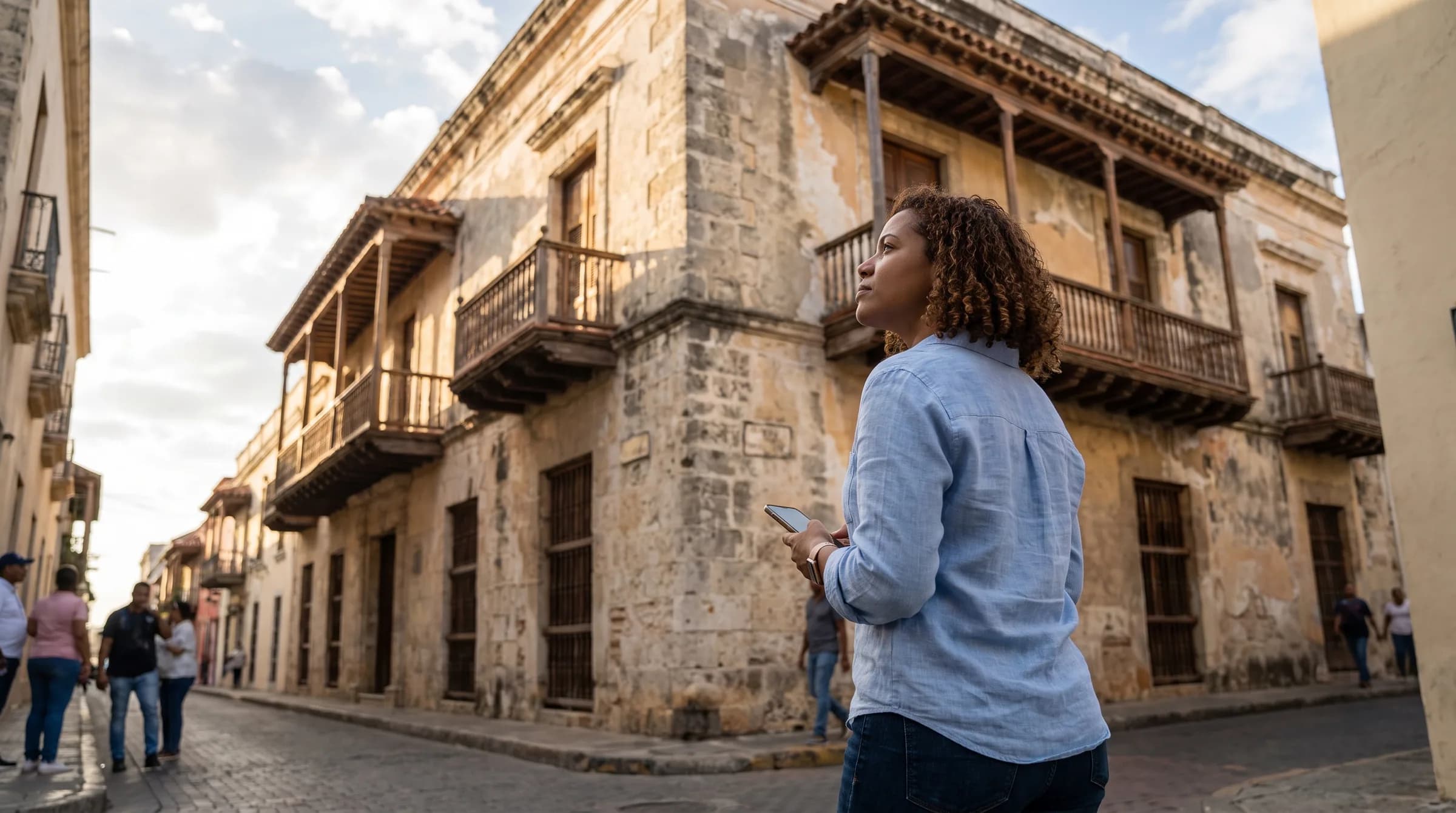
Colonial Zone isn't your typical residential neighborhood. It's the first urban settlement in the Americas, with strict heritage regulations and a real estate market that combines historical value, tourist demand, and an extremely limited property supply.
The Confusion Around "Affordable Pricing" in Colonial Zone
Many people believe that finding a house in Colonial Zone for less than US$200,000 means they've found a bargain. This belief can be dangerous. In this sector, an apparently low price can indicate usage restrictions, title problems, need for expensive remodeling, or limitations for tourist rental profitability.
Toca Timbre
Verified properties, certified agents. You just decide.
Carla found herself in exactly this situation. She saw an ad on MercadoLibre for a 3-bedroom house for RD$7,500,000 and thought she'd found her opportunity to live in the heart of historic Santo Domingo. But when she started asking specific questions, she discovered that the process was very different from buying in any other sector of the capital.
What Are the Heritage and Usage Regulations?
 The first question you need to ask before making an offer on any Colonial Zone property is about cultural heritage regulations and permitted uses. Not all colonial houses can be used for every purpose.
In Colonial Zone there are specific restrictions on:
- Structural modifications that are permitted
- Residential versus commercial versus tourist use
- Permits needed for short-term rentals like Airbnb
- Maintenance obligations for historic facades
- Limitations on expansions or renovations
A house that looks perfect for residential use might have restrictions making it better suited for tourist exploitation, or vice versa. The agent should clearly explain to you what uses are permitted and what permits you'd need for your specific project.
What Is the Real State of the Title and Any Liens?
The second critical question concerns the legal status of the property. In Colonial Zone, many properties have passed through multiple generations, divisions, inheritances, or restoration processes that can complicate the documentation.
You should ask specifically:
- If the title is completely clear
- If there are any previous liens or mortgages
- If there are pending succession processes
- If the property has any special heritage protection
- If there are easements or third-party rights
Carla discovered that her "perfect" house had an inheritance situation not fully resolved between three siblings, which would have significantly complicated her purchase process. This information only came out when she asked direct questions about the documentation.
What Are the Hidden Maintenance and Operating Costs?
The third essential question concerns the maintenance and operating costs specific to a historic property. A colonial house doesn't maintain like a modern house in a residential community.
You need clear information about:
- Maintenance costs for historic structures
- Special requirements for repairs and restorations
- Availability and cost of services (electricity, water, internet)
- Security expenses in the area
- Insurance costs for heritage properties
A RD$7,500,000 house may require significant annual investments in specialized maintenance. It's better to know these numbers before making an offer than to discover them after buying.
The Unique Context of the Colonial Zone Market
The Colonial Zone real estate market operates differently than the rest of Santo Domingo. Supply is extremely limited—there are far fewer houses available compared to other sectors. Demand comes from both Dominicans who value the historic aspect and foreign investors interested in cultural tourism.
This creates an environment where prices can seem unpredictable. One house might cost RD$7,500,000 while a similar one is listed at US$650,000. The difference usually lies in the state of preservation, possibilities for commercial use, quality of documentation, and profit potential.
How to Ask These Questions Without Pressure
The moment of making an offer generates a lot of pressure. Sellers can convey urgency about "other interested parties" or "prices that will go up." But in Colonial Zone, where every property is unique and inventory is limited, taking time to ask specific questions is essential.
A serious agent should be able to answer these three questions with supporting documentation. If they dodge the answers or pressure you to make an offer quickly "before the opportunity is lost," that's a red flag.
Frequently Asked Questions
Can I buy in Colonial Zone if I'm not Dominican?
Yes, foreigners can purchase properties in Colonial Zone following the standard legal process for non-residents. However, it's important to verify if there are specific restrictions for the property you're interested in, since some may have special limitations due to their heritage value.
Is it profitable to buy for rent in Colonial Zone?
Profitability depends entirely on the specific usage regulations for each property. Some houses can be rented as long-term residences, others as tourist apartments, and some have mixed restrictions. You need to confirm permitted uses before calculating any income projections.
How long does a purchase take in Colonial Zone?
The process can take between 60 and 120 days, depending on documentation complexity and whether you need financing. Properties with inheritance issues or complicated documentation may take longer. It's important not to rush in this specific market.
Final Reflection
Buying in Colonial Zone isn't just acquiring a house—it's entering a piece of history with unique responsibilities and opportunities. The three questions about regulations, titles, and maintenance costs aren't bureaucratic obstacles, they're tools for making an informed decision in a market that rewards patience and punishes impulsivity.
The apparently affordable price of a colonial house can be real, but only when you fully understand what you're buying and what maintaining it involves. Your money deserves this clarity before making a commitment.
If you're considering properties in Colonial Zone or any other sector of the Dominican Republic, Toca Timbre is an app where you can explore properties listed by agents and contact them directly via WhatsApp. It lets you ask these specific questions without intermediaries, so you have the clear information you need before any decision.