Hijo Oculto en Herencias: Señales de Alerta en Propiedades RD
10 de septiembre de 2026 · 5 min de lectura
Descubre las señales clave para identificar riesgos en propiedades heredadas. Aprende cómo protegerte de conflictos familiares ocultos antes de comprar.
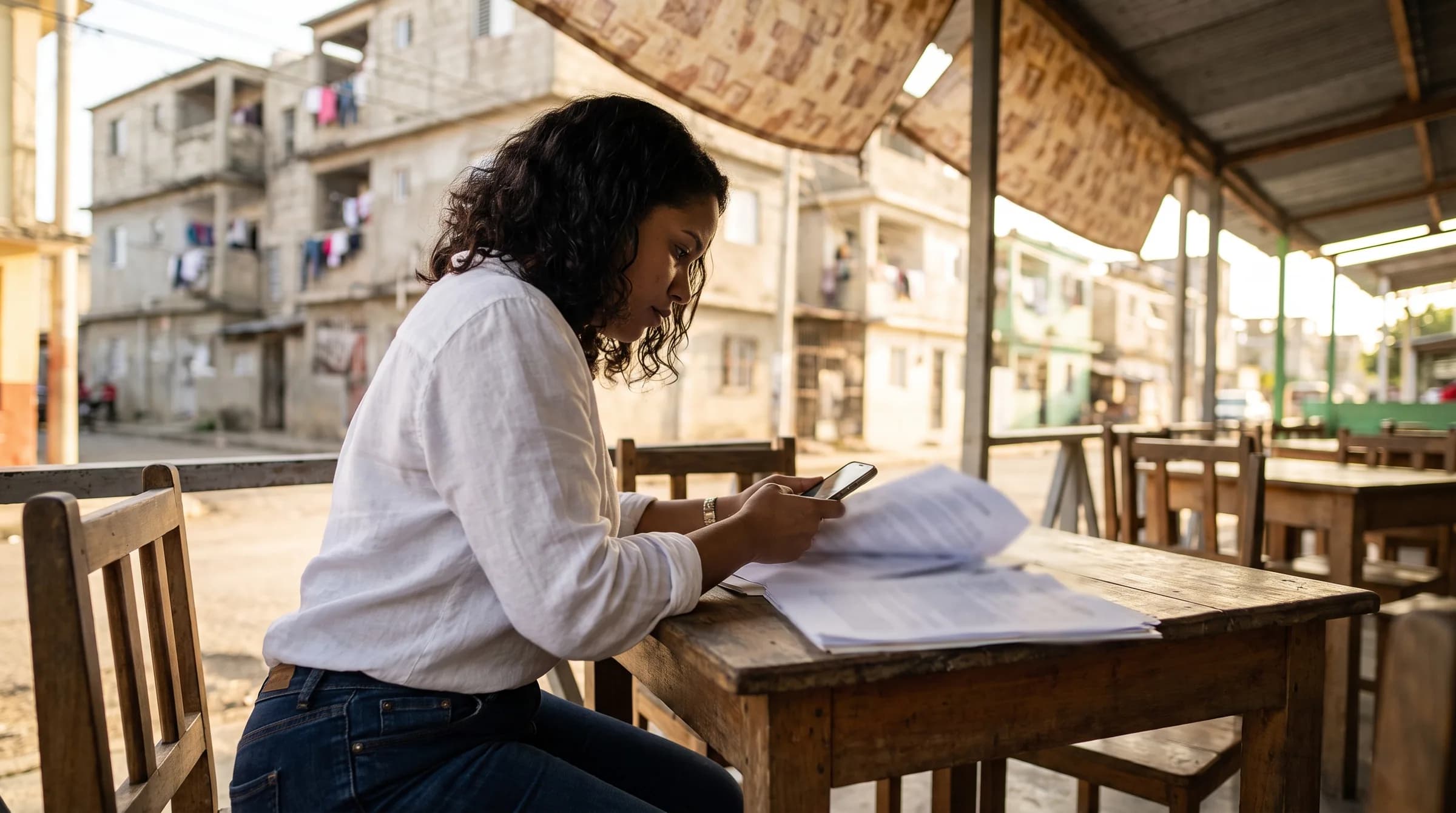
Hijo Oculto en Herencias: Señales de Alerta en Propiedades República Dominicana
Carla encontró la casa perfecta en Los Alcarrizos. Tres habitaciones, patio amplio, precio justo. Pero cuando preguntó por los documentos, la vendedora le dijo: "Era de mi papá, que en paz descanse. Somos tres hermanos, pero yo manejo todo". Una respuesta que debió encender todas las alarmas.
En República Dominicana, las propiedades heredadas República Dominicana representan un terreno complejo donde la ley protege a todos los hijos por igual, sin importar si nacieron dentro o fuera del matrimonio. Esto significa que ese "hijo que nadie menciona" puede aparecer años después reclamando su parte legítima de la herencia.
La Creencia Equivocada Sobre los Hijos en Herencias
Muchos compradores asumen que si una familia presenta documentos básicos y "todos están de acuerdo", la venta es segura. La realidad jurídica dominicana es diferente: todos los hijos son iguales ante la ley, establecido tanto en la Constitución como en la Ley 136-03.
Toca Timbre
Propiedades verificadas y agentes certificados. Tú solo decides.
Esto significa que un hijo reconocido tardíamente, nacido de una relación extramatrimonial, o incluso uno cuya paternidad se establezca por ADN después de la muerte del padre, tiene exactamente los mismos derechos sobre la propiedad que los hijos del matrimonio oficial.
El Momento de Pánico de Todo Comprador
 Imaginemos que Carla compra esa casa por RD$3,500,000. Seis meses después, aparece un cuarto hermano con una demanda de filiación y reclamo hereditario. Si el tribunal confirma la paternidad, este nuevo heredero tiene derecho a una cuarta parte de la propiedad, aproximadamente RD$875,000.
Carla no solo enfrentaría un pleito legal costoso, sino que podría perder parte de su inversión o verse obligada a pagar compensaciones adicionales.
Cómo Funciona la Igualdad Filial en la Práctica
La legislación dominicana eliminó las distinciones entre "hijos legítimos" e "ilegítimos". Una vez establecida la filiación —por reconocimiento voluntario, posesión de estado, o sentencia judicial— el hijo adquiere automáticamente todos los derechos sucesorales.
Esto incluye:
- Derecho a participar en la partición de bienes inmuebles
- Cuota igual a la de otros hijos en la herencia
- Capacidad de impugnar ventas realizadas sin su consentimiento
- Protección legal contra exclusiones arbitrarias
Señales de Alerta Concretas Antes del Primer Contacto
Documentación Incompleta
Título aún a nombre del fallecido: Si el Certificado de Título no refleja la transferencia a los herederos, la sucesión está incompleta.
Falta de sentencia de determinación de herederos: Este documento judicial es obligatorio y debe listar a TODOS los hijos reconocidos legalmente.
Impuesto sucesoral sin pagar: La DGII requiere declaración y pago antes de cualquier transferencia válida.
Comportamientos Familiares Sospechosos
Vendedor único sin representación legal: Cuando un solo familiar "maneja todo" sin poder notarial de los demás herederos.
Respuestas evasivas sobre otros familiares: Frases como "somos solo nosotros" o "los demás no importan" son banderas rojas.
Prisa injustificada: Presión para firmar rápido "antes de que se complique".
Inconsistencias Documentales
Actas de nacimiento que no coinciden: Diferencias en apellidos o fechas entre los supuestos herederos.
Ausencia de acta de defunción: Sin este documento, no se puede iniciar proceso sucesorio válido.
Certificación de estado jurídico desactualizada: Debe ser reciente y mostrar si hay demandas o embargos sobre la propiedad.
El Proceso Correcto de Verificación
Una sucesión bien tramitada debe mostrar:
- Declaración sucesoral ante DGII con lista completa de herederos
- Sentencia firme de determinación de herederos del Tribunal de Tierras
- Nuevo Certificado de Título a nombre de todos los herederos
- Acuerdo notarial si la venta requiere participación de múltiples propietarios
Preguntas Específicas Para Hacer Desde el Inicio
- "¿Pueden mostrarme la sentencia de determinación de herederos?"
- "¿El impuesto sucesoral está al día con la DGII?"
- "¿Todos los hijos del causante están incluidos en los documentos?"
- "¿Hay algún proceso de filiación pendiente en tribunales?"
Estas preguntas, hechas con respeto pero firmeza, pueden revelar vacíos importantes antes de involucrar tiempo y dinero en la negociación.
La Realidad del Mercado Dominicano
El sistema inmobiliario dominicano no siempre facilita estas verificaciones. Muchos agentes, por inexperiencia o premura, no profundizan en la situación sucesorial. Familias bien intencionadas pueden desconocer la existencia de otros herederos legítimos.
Pero la ignorancia no protege al comprador. Una vez que aparece el "hijo oculto" con documentos que prueban su filiación, sus derechos son tan válidos como si hubiera estado presente desde el principio.
Reflexión: Claridad Antes de Emoción
Comprar una propiedad heredada no es necesariamente riesgoso si se hace correctamente. El problema surge cuando la emoción de "encontrar la casa perfecta" supera la prudencia de verificar su situación legal completa.
La ley dominicana protege a todos los hijos por igual, y esto es justo. Como compradores, nuestro trabajo no es juzgar las dinámicas familiares, sino asegurarnos de que estamos adquiriendo una propiedad con títulos claros y consenso real de todos los herederos legítimos.
La paciencia inicial para verificar estos aspectos puede ahorrar años de conflictos legales posteriores.
Navegar el mercado inmobiliario dominicano requiere claridad desde el primer paso. En Toca Timbre, compradores pueden explorar propiedades publicadas por agentes verificados y establecer contacto directo por WhatsApp para hacer estas preguntas importantes desde el inicio. Conocer las señales de alerta te permite abordar cada oportunidad con mayor seguridad. Explora opciones en: Toca Timbre
Preguntas Frecuentes
¿Puede un hijo no reconocido reclamar herencia después de años?
Sí, la ley dominicana permite establecer filiación incluso después de la muerte del padre, mediante pruebas como ADN y testimonios. Una vez confirmada legalmente la filiación, el hijo tiene derecho a su cuota hereditaria sin importar cuánto tiempo haya pasado desde el fallecimiento.
¿Qué pasa si compro una propiedad y luego aparece un heredero oculto?
Dependiendo de si la venta se realizó correctamente o no, el nuevo heredero podría reclamar su parte de la propiedad. Si la sucesión estaba incompleta al momento de la venta, el comprador podría enfrentar demandas legales y tener que compensar al heredero o devolver parte de la propiedad.
¿Cómo verificar si una sucesión está completa antes de comprar?
Solicita ver la sentencia de determinación de herederos del Tribunal de Tierras, la declaración sucesoral ante DGII con comprobante de pago, y el nuevo Certificado de Título emitido a nombre de los herederos. Estos tres documentos confirman que el proceso sucesorio se completó correctamente.
Fuentes
- Filiación e igualdad filial en el Código Civil dominicano
- Constitución y actos civiles de República Dominicana
- Determinación de herederos en República Dominicana
- Ley 136-03 - Sistema de Protección de Niños, Niñas y Adolescentes
- Constitución de la República Dominicana
- Conceptos jurídicos sobre filiación
- Guía del Impuesto sobre Sucesiones - DGII
- Señales de alerta en inversiones inmobiliarias