Inheritance Without a Will in the Dominican Republic: Who Actually Inherits
13 de septiembre de 2026 · 6 min min read
Do siblings, parents, or nephews inherit when there's no will? Discover the legal succession order in the Dominican Republic and how to protect yourself when buying inherited properties.
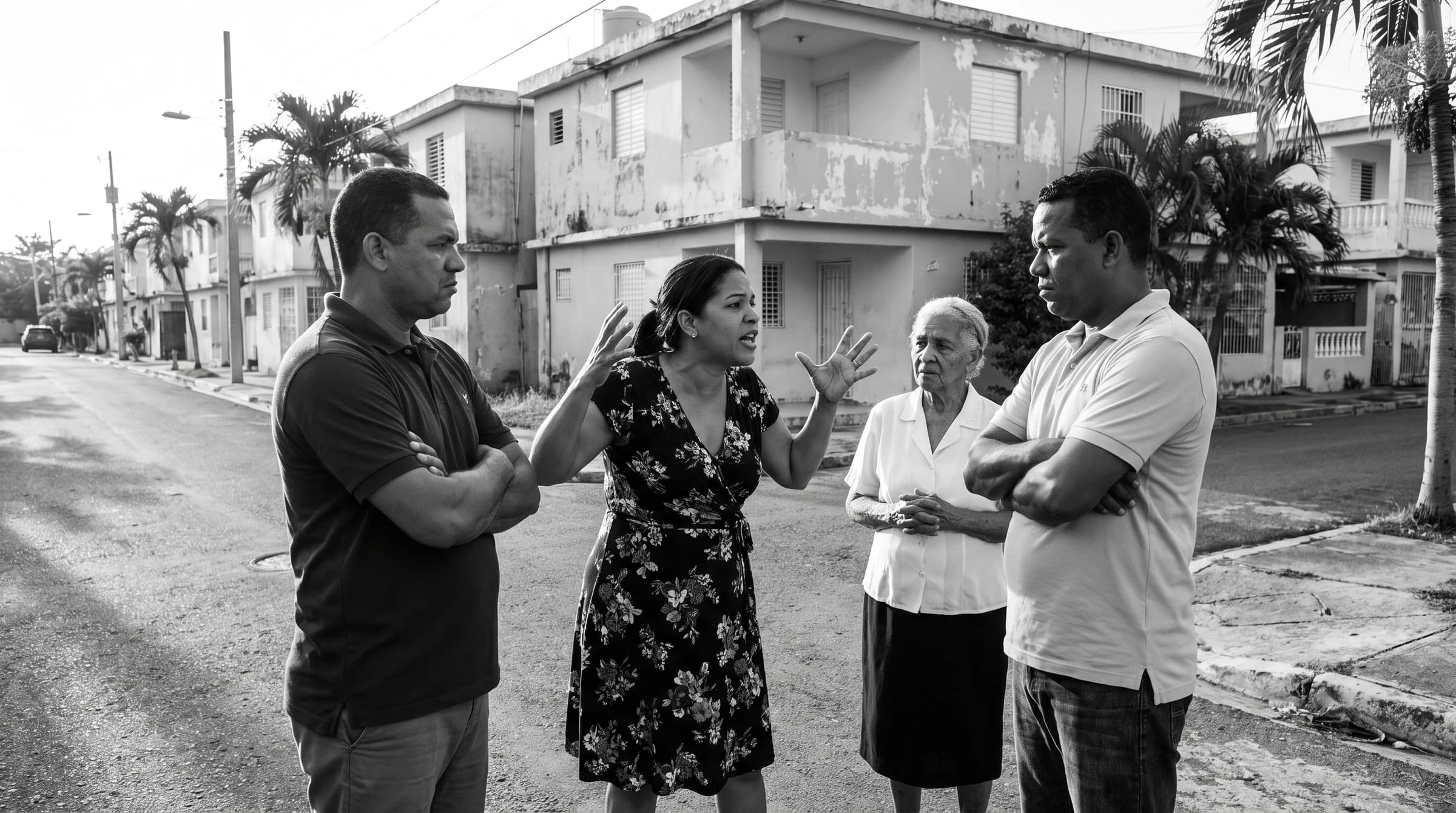
When María Elena found the perfect house in Los Jardines del Norte, the price surprised her: RD$4.5 million for a property easily worth RD$6 million. The seller explained it was a "family inheritance" and he needed to sell quickly. Three months later, after she'd already paid the down payment, a brother of the deceased appeared claiming his share. Inheritance without a will in the Dominican Republic follows specific rules that many buyers don't understand until it's too late.
The belief that puts your investment at risk
Many Dominicans believe that when someone dies without a will, "the family will work it out" or "whoever lives in the house gets to keep it all." This belief has created thousands of real estate conflicts because it ignores a fundamental reality: Dominican law establishes an inflexible succession order that determines exactly who inherits and in what proportion, regardless of informal family agreements.
How inheritance without a will actually works in the Dominican Republic
 Article 731 of the Dominican Civil Code leaves no room for interpretation. When there's no will, the inheritance is distributed according to three absolute priority orders:
Toca Timbre
Propiedades reales. Agentes verificados. Tú decides sin miedo.
First order: Children exclude everyone else
If the deceased left children, they inherit everything. Siblings, parents, or nephews receive nothing from the property. If one of the children had died before, their own children (the deceased's grandchildren) take their place. A house in Santiago that belonged to a father of three is automatically divided into three equal parts, regardless of whether a sibling of the deceased lived there for decades.
Second order: Parents and siblings share
Only when there are no descendants do parents and siblings of the deceased come into play. The law mandates that each living parent receives one-quarter, and the remainder is divided among siblings. This means an apartment in Bella Vista could end up with five co-owners: the mother (25%), the father (25%), and three siblings (16.6% each). Everyone must sign to sell.
Third order: More distant relatives
If there are no living children, parents, or siblings, the inheritance passes to grandparents, aunts, uncles, and cousins according to their degree of kinship. In these cases, the number of heirs can multiply dramatically, turning a simple sale into a process lasting months or years.
The panic moment every buyer should avoid
Carlos had set aside RD$800,000 for the down payment on his first home. After months of searching, he found a plot of land in La Romana that met all his requirements. The "owner" showed him documents that appeared correct and asked him to sign a pre-contract "to secure the deal." Two weeks later, when Carlos went to formalize the transaction before a notary, he discovered the property had six additional heirs, two of them living in New York, and that the property was still registered in the name of the deceased father.
That panic moment—when you discover your "safe purchase" has legal problems—is completely avoidable if you understand how the Dominican succession system works before signing any documents.
Red flags in inherited properties
When evaluating a property coming from an inheritance, be careful if:
- The title certificate is still in the name of a deceased person
- You're told "we're siblings, there's no problem"
- They dodge questions about other family members
- They pressure you to sign before "completing some paperwork"
- The price is significantly below market
- They can't show a formal declaration of heirs
How a verified agent protects you from inheritance complications
A professional real estate agent does more than just show you properties; they act as your first line of defense against problematic purchases. Before presenting you with any inherited property, the verified agent:
Reviews the chain of title to confirm whether the property has correctly passed to all legal heirs' names, or if succession processes are still pending.
Identifies all heirs according to the legal succession order, not according to what "the family says." This includes verifying whether there are unrecognized children, siblings abroad, or descendants who might have rights.
Confirms the required succession documentation: declaration of heirs, formal partition, payment of succession taxes, and correct registration in the Title Registry.
Detects hidden conflicts such as liens, objections, or litigation related to the inheritance that could affect your future purchase.
The practical difference is clear: reaching out to random sellers exposes you to buying problems disguised as opportunities; working with verified professionals lets you evaluate only properties with clean documentation and completed processes.
Peace of mind begins with your first contact
The Dominican real estate market has excellent properties with perfect documentation, but it's also filled with "opportunities" that hide expensive legal complications. The difference between a smart investment and years of headaches often comes down to those first few minutes: when you choose to contact a verified professional instead of responding to a random ad.
You don't need to be an expert in inheritance law to buy safely. You just need to start your search in the right place, with people who understand that your peace of mind is worth more than any quick sale.
If you're considering buying a home and want to explore the market with greater clarity, Toca Timbre is an app where you can see properties published by real estate agents and contact directly via WhatsApp those who handle the options that interest you. You can explore without committing at: Toca Timbre
Frequently asked questions
Can the spouse keep the entire inheritance if there's no will?
No. In the Dominican Republic, the surviving spouse has a subordinated inheritance right compared to blood relatives. If there are children, parents, or siblings of the deceased, they take priority over the spouse in the inheritance. The widow or widower may have rights over the marital community property, but does not automatically inherit all of the deceased's individual property.
What happens if I buy a property and later an heir appears who I didn't know existed?
If you buy a property without all legal heirs participating in the sale, that omitted heir can sue for the transaction to be declared null or claim their corresponding share. This can result in lengthy litigation, loss of invested money, or the obligation to negotiate with the newly appeared heir. That's why it's crucial to verify that the succession process is completely regularized before buying.
How long does it take to regularize an inheritance before selling?
The succession regularization process in the Dominican Republic can take between 3 and 18 months, depending on case complexity. It includes obtaining a declaration of heirs from the competent court, conducting inventory and partition of assets, paying succession taxes (typically 3% on the inheritance assets), and registering the new titles in the heirs' names. If there are conflicts between heirs or incomplete documentation, the process can extend considerably.
Sources
- Civil Code of the Dominican Republic — https://www.oas.org/dil/esp/C%C3%B3digo%20Civil%20de%20la%20Rep%C3%BAblica%20Dominicana.pdf
- Succession order in R.D: degrees, importance and examples — https://derechoenunclicrd.com/2025/10/28/orden-sucesoral-en-r-d-grados-importancia-y-ejemplos/
- Children, grandchildren and the complex rule of siblings in inheritance — https://www.diariolibre.com/actualidad/justicia/2025/12/05/hijos-nietos-y-la-compleja-regla-de-los-hermanos-en-la-herencia/3368160
- What to do when a family member dies without a will — https://abogadosrd.com.do/que-hacer-cuando-un-familiar-fallece-sin-testamento/
- Intestate succession — https://ldplegal.com.do/pub-sucesion-intestada.html
- Who can claim an inheritance in RD — https://www.diariolibre.com/actualidad/justicia/2025/12/04/quien-puede-reclamar-una-herencia-en-rd/3366447
- Inheritance and successions in a system without a single law — https://inmobiliario.do/herencias-y-sucesiones-en-un-sistema-sin-ley-unica/
- The legal and economic impact of inheriting property — https://inmobiliario.do/el-impacto-juridico-y-economico-de-heredar-propiedad/