Building on the Beach in the Dominican Republic: Real Permits and Regulations You Need to Know
24 de septiembre de 2026 · 5 min min read
Learn the real regulations for building near the ocean in the Dominican Republic. Demystify coastal permits and avoid legal surprises in your investment.
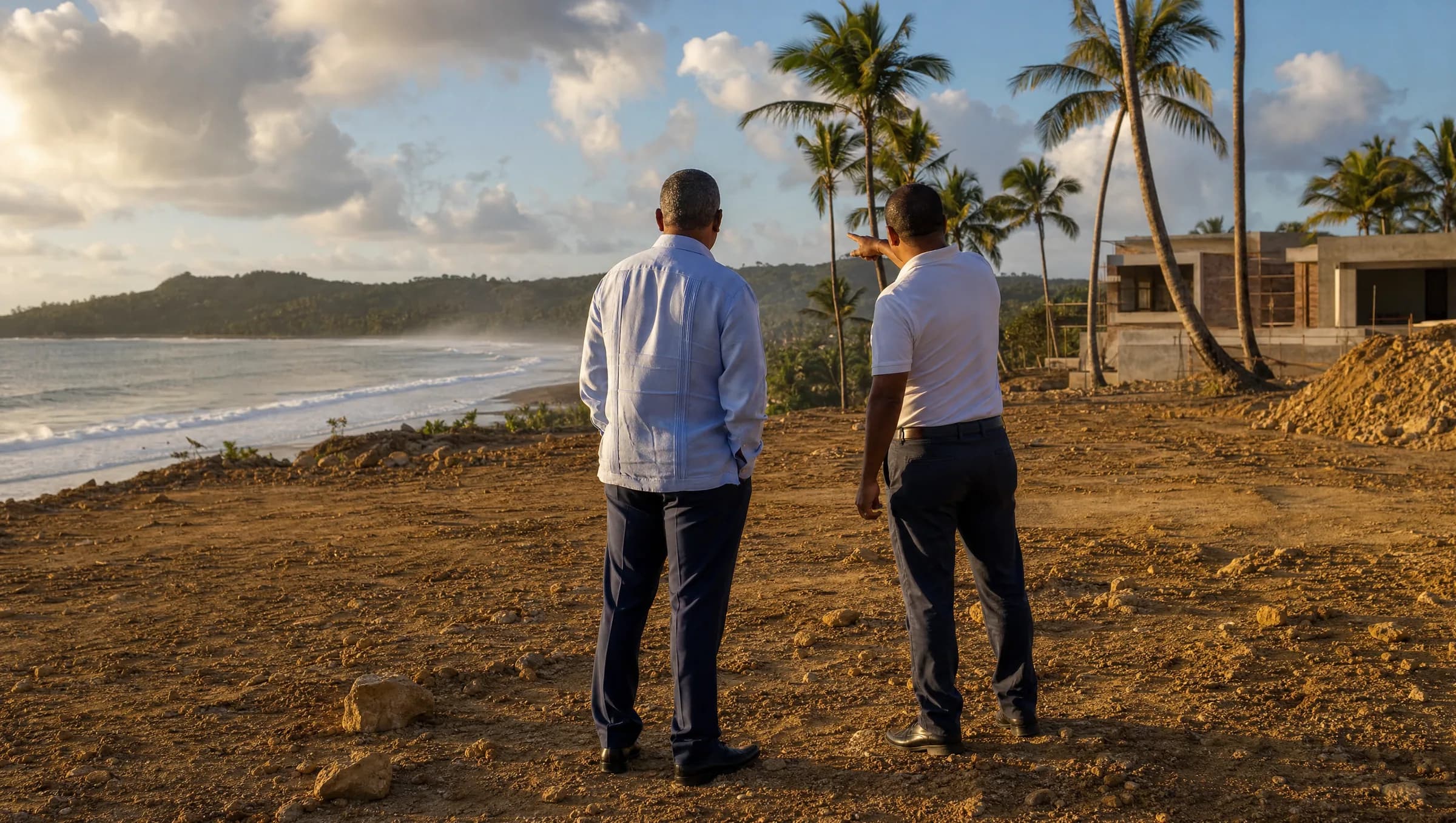
Building on the Beach in the Dominican Republic: Real Permits and Regulations You Need to Know
Carlos has been saving for three years to buy a beachfront villa in Samaná. He's visited several projects, and each developer tells him something different about permits for building on Dominican Republic beaches: some insist "everything is in order," others mention "special procedures," and some admit that "there are restrictions but they can be worked out." The confusion makes sense because the Dominican real estate market mixes correct technical information with commercial interpretations that aren't always accurate.
In reality, building near the ocean in the Dominican Republic is neither impossible nor completely unrestricted. There's a clear legal framework that many buyers don't fully understand, and that lack of clarity leads to both excessive fear and rushed decisions.
The Most Common Myth: "If I Have Title, I Can Build Whatever I Want"
One of the most widespread beliefs among buyers is that having a title that "reaches the beach" means you can build without restrictions. The reality is more nuanced.
Toca Timbre
Propiedades reales. Agentes verificados. Tú decides sin miedo.
In the Dominican Republic, there's a 60-meter maritime strip from the high-tide line inland that's part of public domain. This zone is protected by Law 305-68 and prohibits construction except for exceptional authorizations from the Executive Branch for tourism or public utility purposes.
Additionally, the first 200 meters from high tide are considered a "maritime zone" with special use restrictions. Having a property title doesn't eliminate these legal limitations or the environmental obligations that apply to coastal construction.
Environmental Regulations Apply to All Projects
 Another frequent myth is that environmental regulations only affect large hotels or massive tourist developments. Law 64-00 General on Environment establishes that any work that could generate environmental impacts must undergo evaluation, regardless of size.
Projects are classified into categories (A, B, C, or D) based on their potential impact. A beachfront villa, a small condominium, or a bungalow complex may require a permit or environmental license depending on its location, density, and type of intervention. The difference isn't size—it's the level of studies required for each category.
What Permits for Building on Dominican Republic Beaches Really Require
The authorization process for coastal construction involves three main aspects:
Compliance with the coastal protection strip: Verify that construction doesn't invade the 60 meters of public domain or violate restrictions in the first 200 meters of maritime zone.
Environmental authorization: Obtain the corresponding permit or license based on the project category. The Ministry of Environment runs a Single Environmental Services Window with formalized procedures that include platform registration, specific forms, and technical documentation.
Institutional coordination: In tourist zones, coordination with the local municipality and non-objection from the Ministry of Tourism is required, in addition to construction licenses from the Ministry of Housing and Buildings.
Carlos's Case: An Informed Decision
When Carlos finally contacted a verified real estate agent specializing in coastal properties, he was able to calmly review three crucial aspects: the exact location of the property relative to the 60-meter strip, the environmental permits already obtained by the developer, and documentation of current construction licenses.
Instead of pressuring him to decide quickly, the agent explained that a RD$8.5 million villa on his list had all permits in order, but another similar property for RD$6.8 million had part of the garden within the coastal restriction zone. The price difference reflected legal risk, not just location.
How to Verify That Permits Are Real
For buyers like Carlos, there are concrete steps to verify the legal situation of a coastal property:
- Request a copy of the environmental permit or license issued by the Ministry of Environment, not just the municipal "non-objection letter"
- Verify the construction licenses from the Ministry of Housing and the corresponding work authorization permit
- Review the property survey to confirm which part is within or outside coastal restriction zones
- Consult the official ministry portals directly to validate the authenticity of the documents presented
A professional agent will facilitate this review without turning it into an intimidating process. Their role is to organize technical information and present it in an understandable way, not to rush a purchase decision.
The Difference Between Compliance and "Resolving Later"
Some developers suggest that permits "can be resolved during construction" or that "there are ways to handle the restrictions." This approach creates unnecessary risks for the final buyer.
Environmental authorities can impose fines, halt work, or demand demolitions when projects don't comply with regulations from the start. Additionally, coastal regulations are being strengthened as part of conservation policies aimed at protecting beaches, reefs, and marine ecosystems.
Buying a property with complete permits from the beginning not only reduces legal risks but also protects your investment long-term against regulatory changes or climate events that affect the coast.
Reflection: Clarity Before Haste
Building in coastal zones of the Dominican Republic is not prohibited, but it is regulated in a specific way. The regulations seek to balance real estate development with environmental protection and sustainable management of the coast.
For buyers like Carlos, understanding these regulations shouldn't create fear—it should create confidence. Knowing what questions to ask, what documents to review, and how to verify legal compliance turns an emotional decision into an informed investment.
Where you start looking for information determines the quality of the options you find. Contacting agents who understand coastal regulations and can explain them patiently is the first step toward a safe purchase.
If you're considering a property near the ocean, Toca Timbre lets you explore options posted by real estate agents and contact them directly via WhatsApp. The app makes that first crucial contact easier, where you can ask the right questions about permits, documentation, and legal compliance before visiting any property. Explore the market with more clarity at Toca Timbre.
Frequently Asked Questions
Can I build if my property is within 60 meters of the beach?
Construction is not permitted within the 60-meter maritime strip from high tide, except for exceptional authorizations from the Executive Branch for tourism or public utility projects. This zone is public domain under Law 305-68.
What type of environmental permit do I need for a villa near the ocean?
It depends on the environmental category of the project (A, B, C, or D) based on its location, size, and type of intervention. It may require anything from an environmental impact statement to a complete study with a specific license from the Ministry of Environment.
How can I verify that a property's permits are authentic?
Request copies of the environmental and construction licenses, then check the official portals of the Ministry of Environment and the Ministry of Housing to validate the file numbers and the validity of the documents presented.